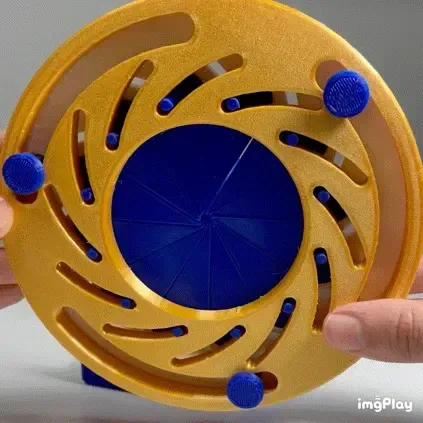
免费 
Linear Servo Actuators
Thingiverse
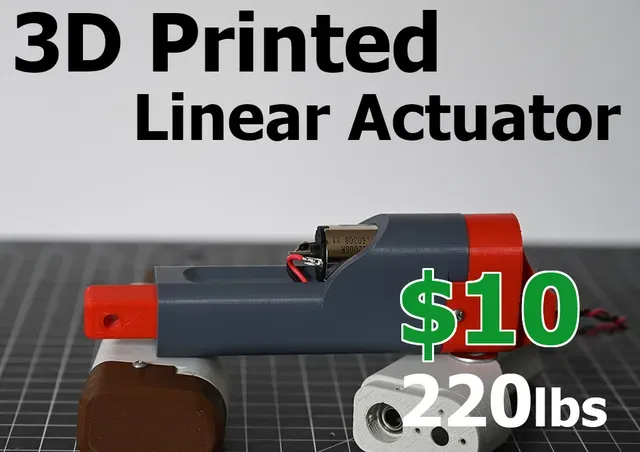
This collection gathers 3D models of actuators: linear units, servo-driven mechanisms, geared drives and replacement parts for valves and flaps. Most of them are multi-part assemblies, so they are useful when you want to build motion into a project rather than print a static object. Each listing points to a model page where the author describes the parts, the hardware and the settings used for 3D printing. Polyzon does not confirm whether models are free, their price, license, official status, affiliation, safety or fitness. Check the current terms at the source.
本合集的文字为英文,搜索本身支持任何语言。
 Polyzon合集 · 46个模型 来自4个平台
此合集由Polyzon根据已接入平台的搜索结果整理而成:去除重复项和没有预览图的模型,匹配度低的排在最后,其余按搜索结果顺序排列。模型归作者所有——请在各模型页面查看使用条款。
筛选规则:Polyzon编辑部 · 文字更新于2026年10月13日



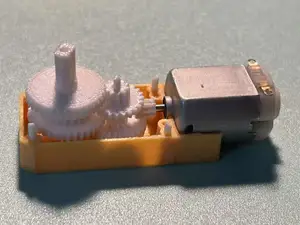
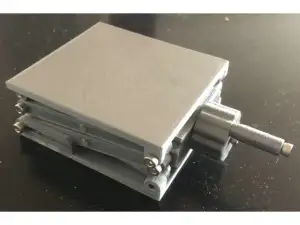

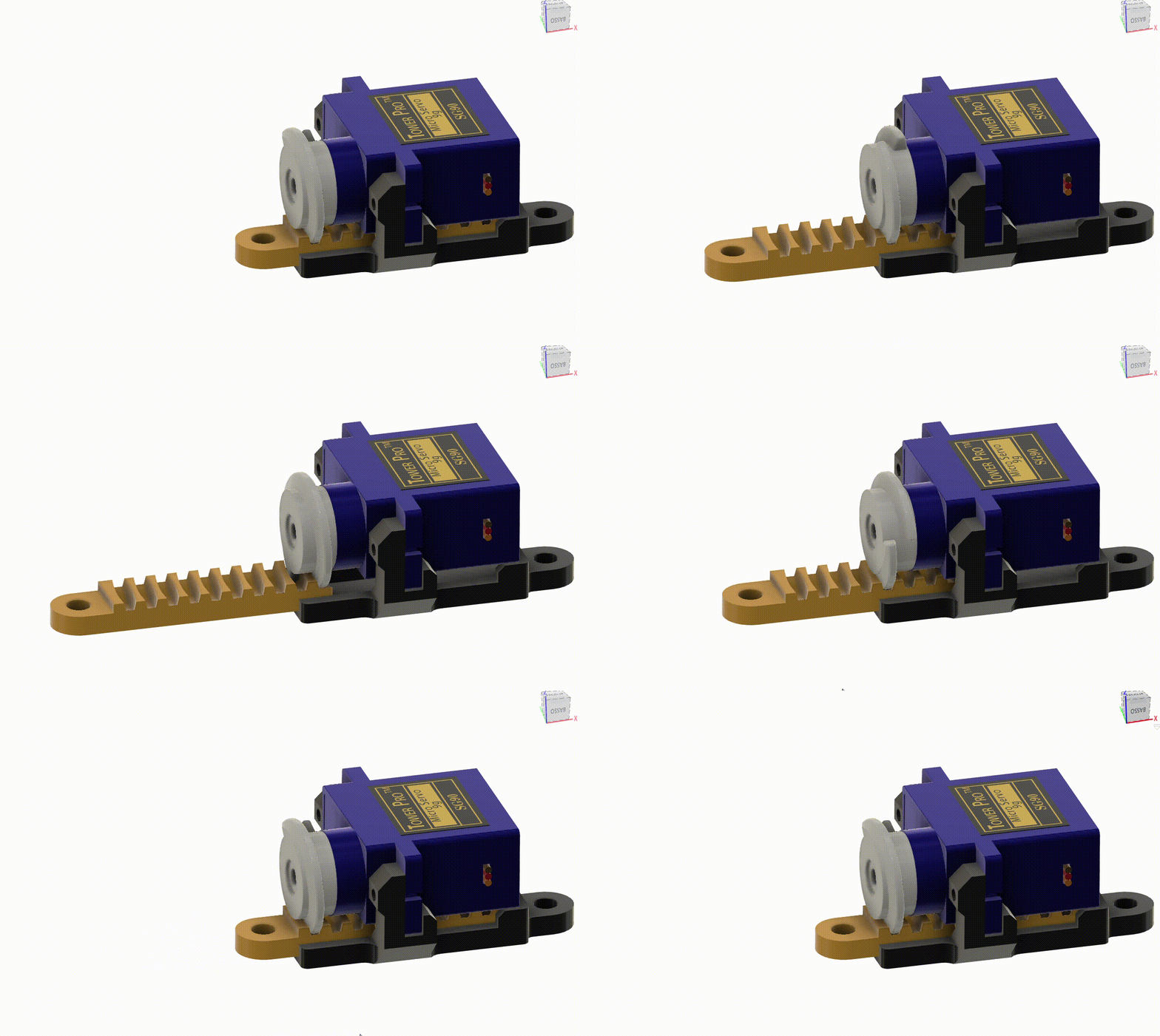
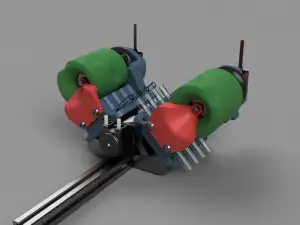


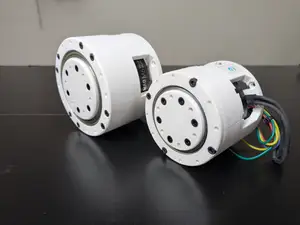


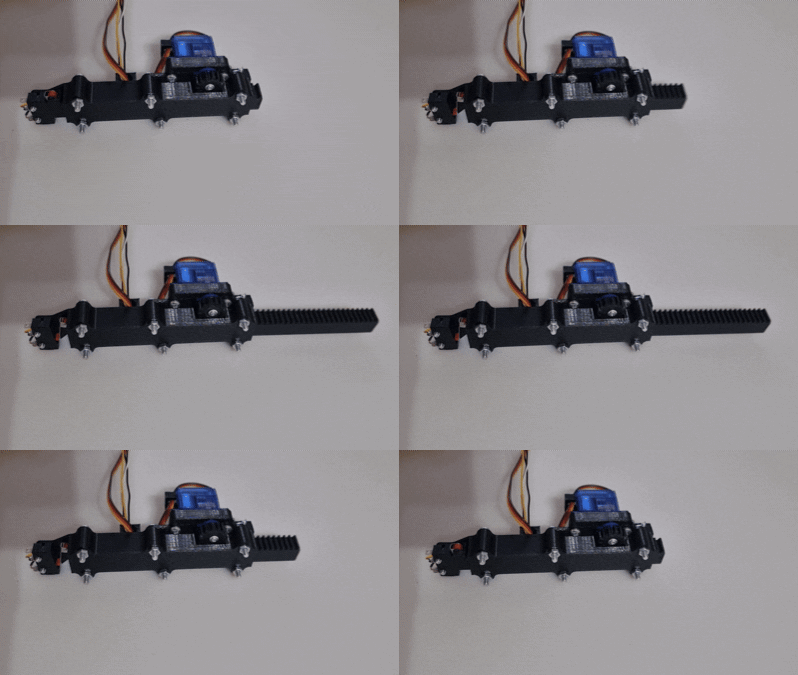
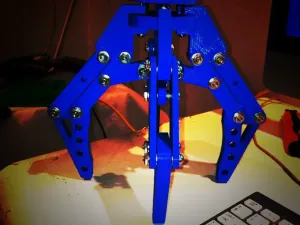




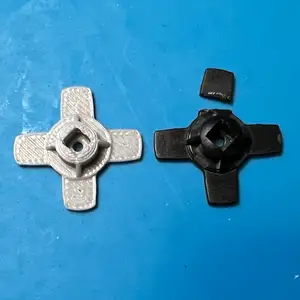
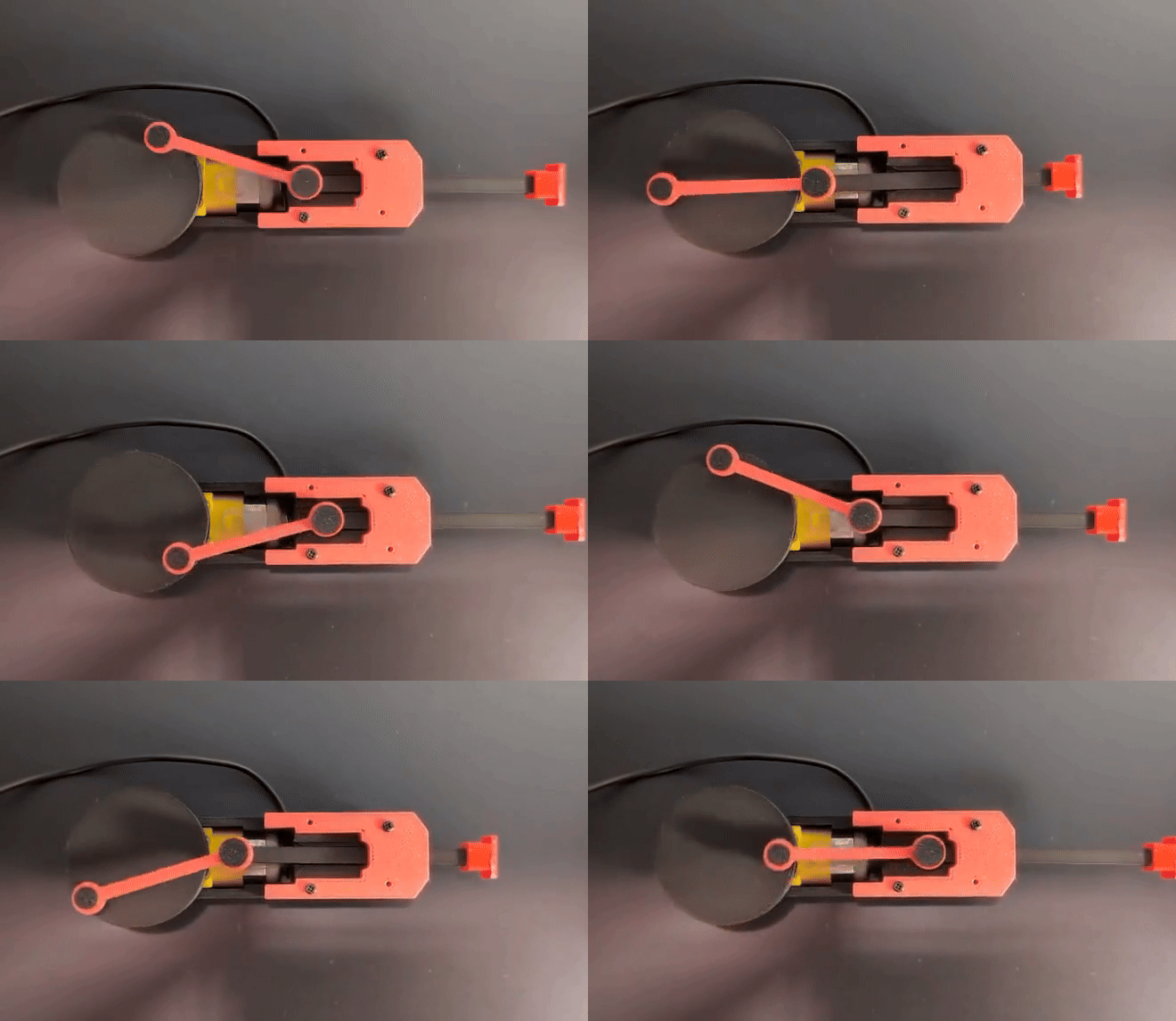


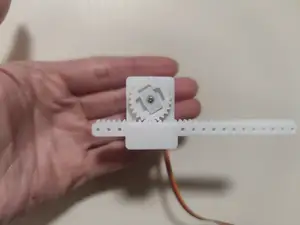
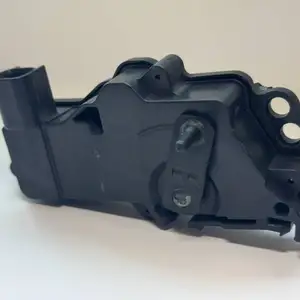

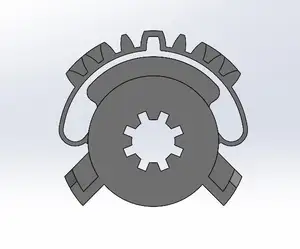

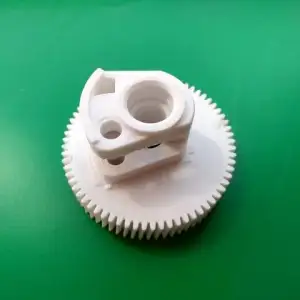

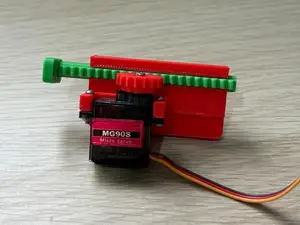
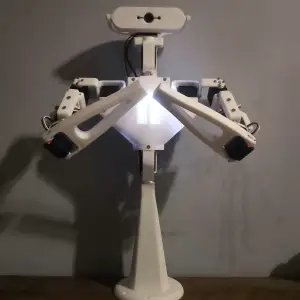


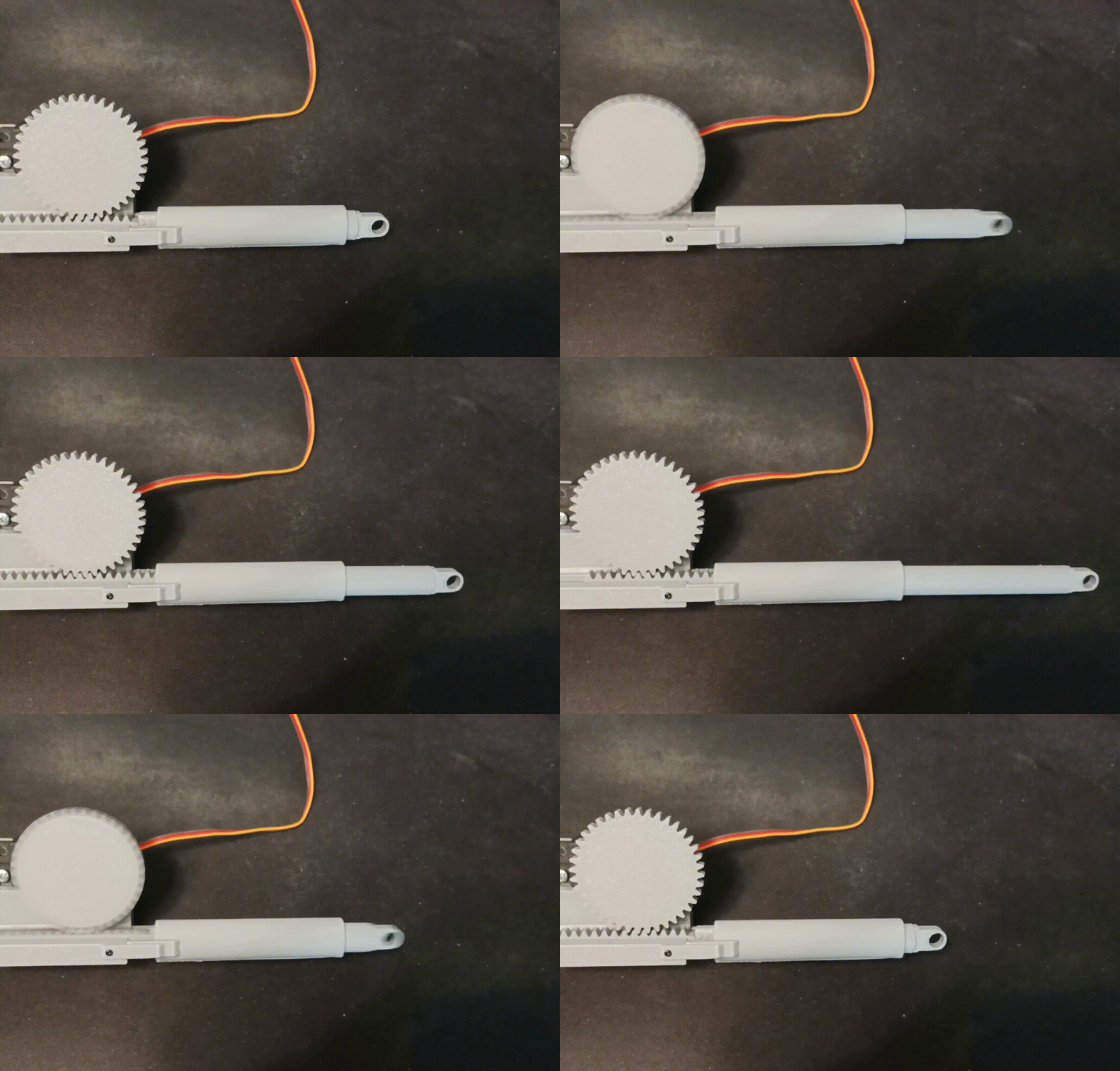
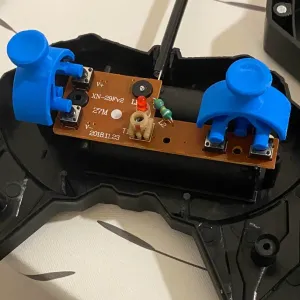


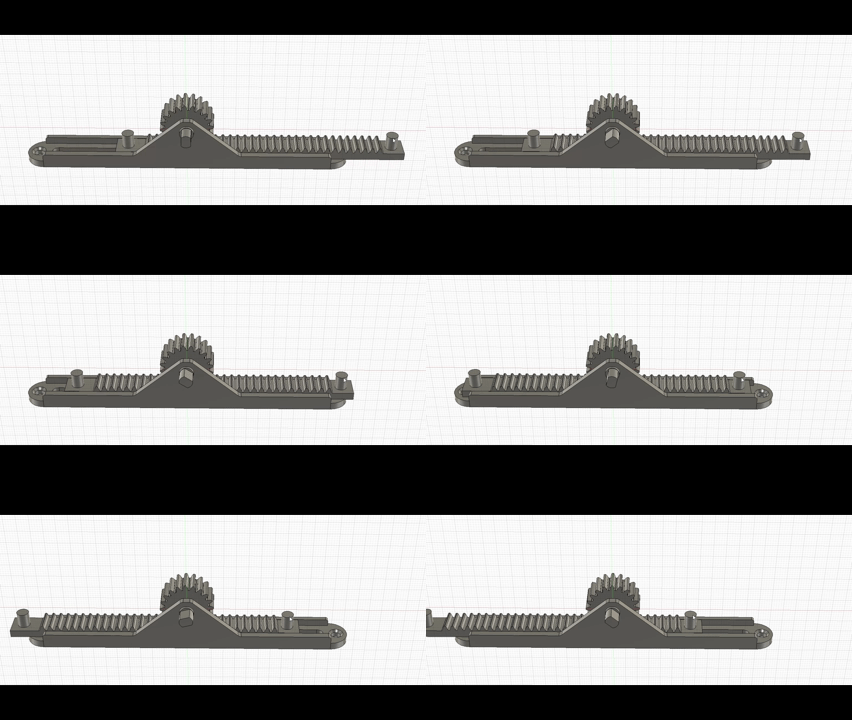

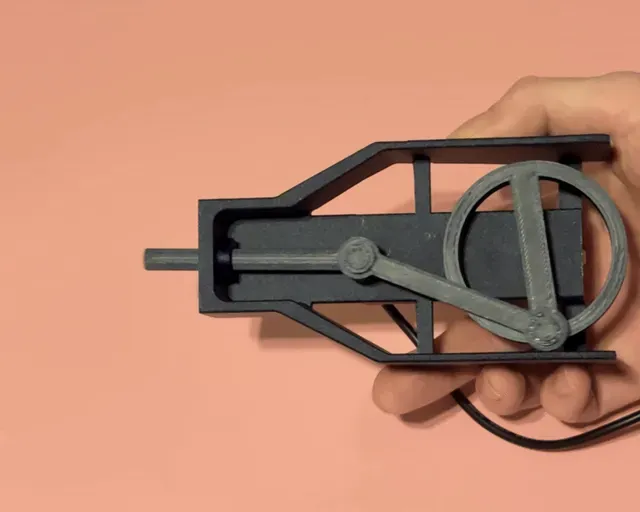
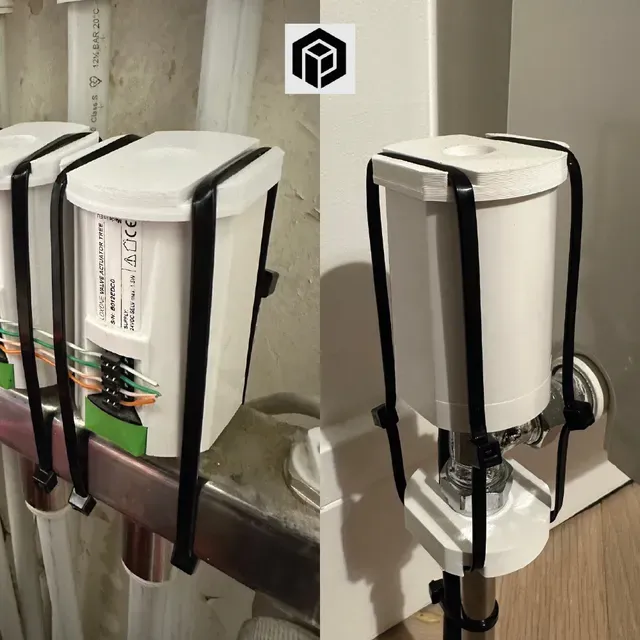
The models differ mainly in how motion is produced. Some rely on a hobby servo pushing a slider along a rail, others use a motor with a gearbox, a rack-and-pinion pair or a cycloidal reduction stage to trade speed for force. There are also simpler mechanical versions without any electronics, and replacement actuators shaped to fit an existing valve or air flap. Grippers and small mechanism toys often include an actuator as one part of a larger assembly.
Before printing, read the model page for the details that decide whether the build works: overall size and stroke, number of parts and how they join, whether fasteners, bearings or a specific servo and motor are required, and whether supports are needed on overhangs. Check the material and layer settings the author lists, since thin gear teeth and long sliding surfaces behave differently in PLA, PETG or resin. Photos of real prints show how the parts fit together better than renders do.
If the results are too narrow, try related wording: linear actuator, servo bracket, lead screw, rack and pinion, gearbox, reduction drive, slider, push rod. Searching for the mechanism rather than the part often surfaces more options, for example gripper, lifting table or valve flap. Combining a mechanism term with a hardware name such as a small servo or a geared motor also helps narrow the list.
完整的主题目录:从家居日用到CNC,均可在已接入的来源平台中搜索。