Gratis 
Keychain Robot (articulated print-in-place)
MyMiniFactory
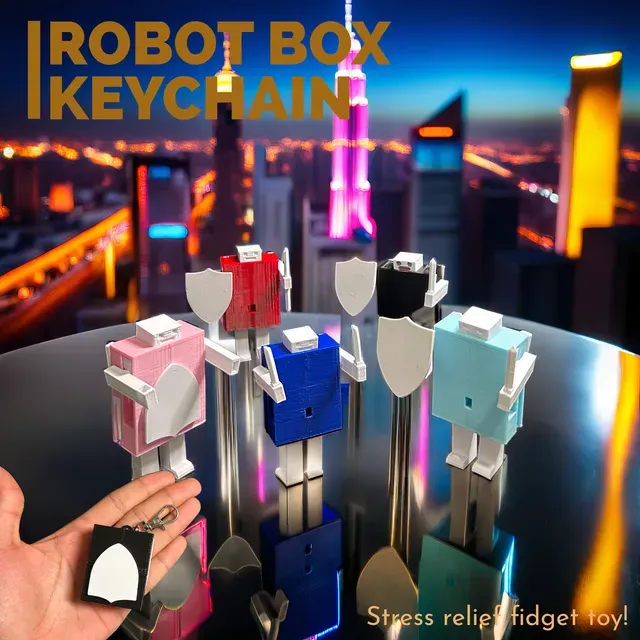
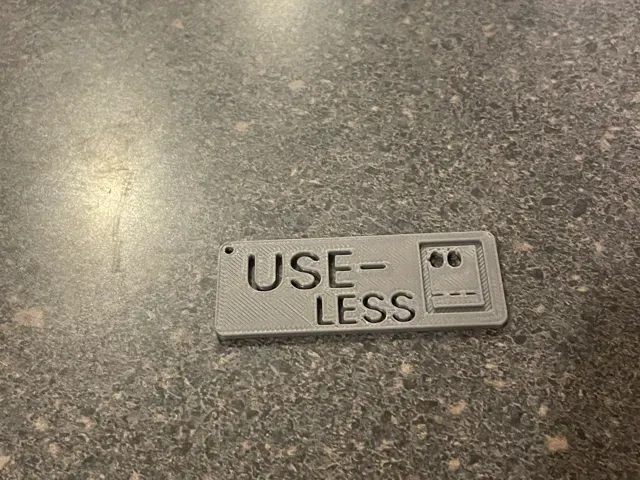
This collection gathers robot keychain models that appear in several styles: print-in-place articulated bodies, small cute figures, and mechanical designs with moving parts. Most are compact enough to print as a single small object, which makes them a practical starting point for testing an STL on your 3D printer. Polyzon does not confirm whether models are free, their price, license, official status, affiliation, safety or fitness. Check the current terms at the source.
Il testo di questa raccolta è in inglese; la ricerca funziona in qualsiasi lingua.
 Una raccolta di Polyzon · 48 modelli da 6 siti
Polyzon compone questa raccolta a partire dai risultati di ricerca dei siti collegati. I doppioni e i modelli senza anteprima vengono rimossi, le corrispondenze deboli finiscono in fondo e il resto mantiene l’ordine dei risultati. I modelli appartengono ai rispettivi autori: verifica le condizioni sulla pagina di ciascun modello.
Criteri di selezione a cura della redazione di Polyzon · Testo aggiornato: 13/10/2026
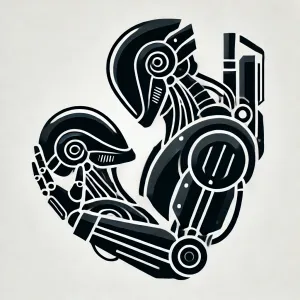

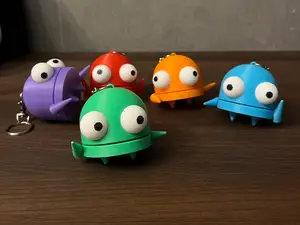
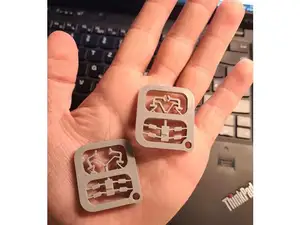
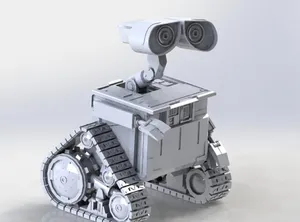


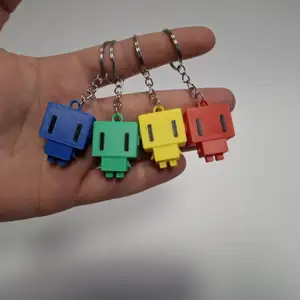
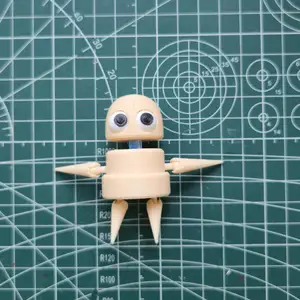
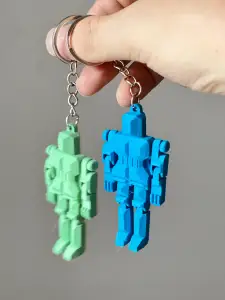
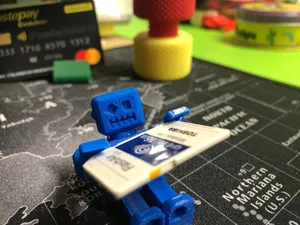

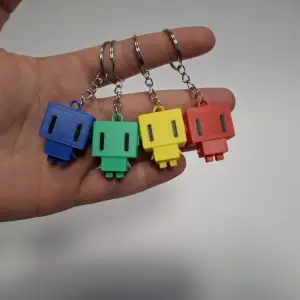
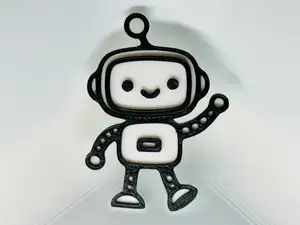
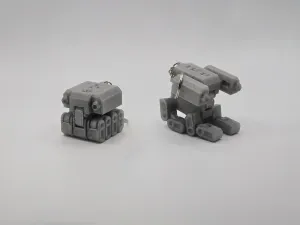
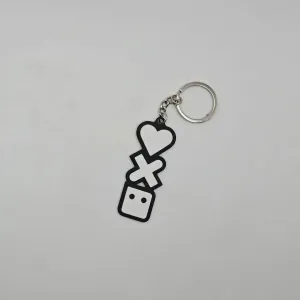

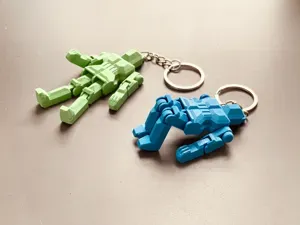
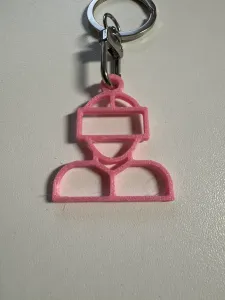
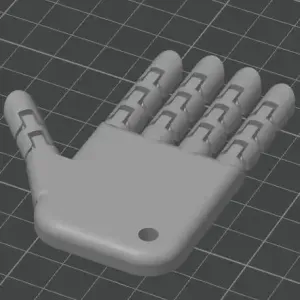
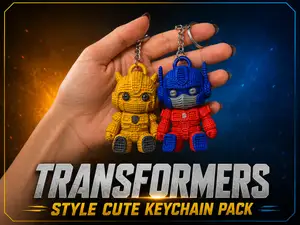

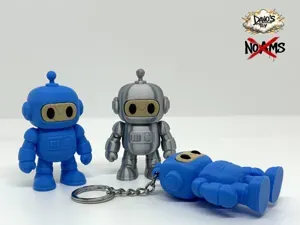
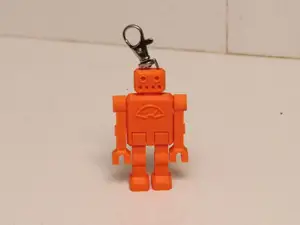

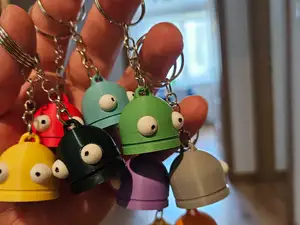

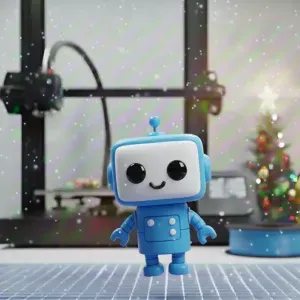
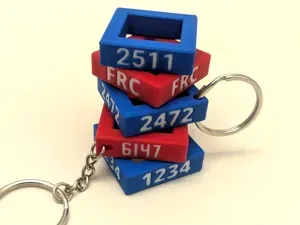
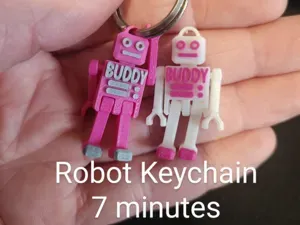


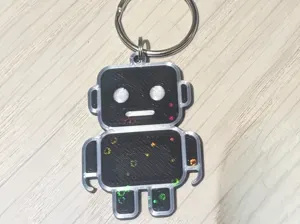
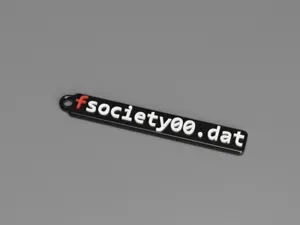
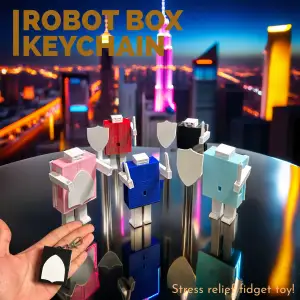
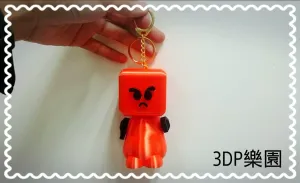

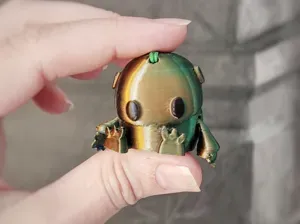
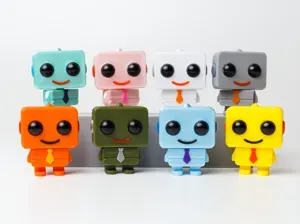
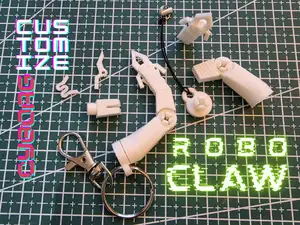
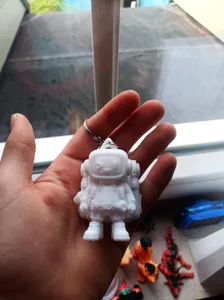

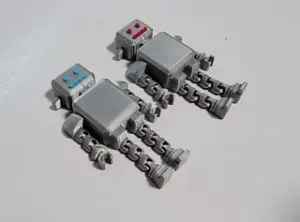

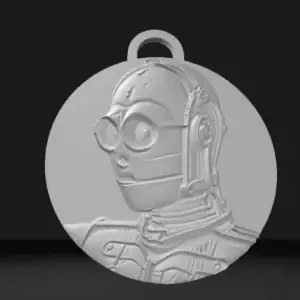
The most common group is print-in-place robots, where joints, arms or a swinging head are already part of one mesh and move after printing. Alongside them sit mini cute figures with simplified shapes and few details, and larger action-figure-style keychains that copy the look of a character rather than a mechanism. Game-inspired robots and mechanical grippers form separate groups: the first borrows a recognisable silhouette, the second adds a working jaw or lever.
When choosing, open the author's model page and look at the listed size and scale, since a keychain that is too thick will not sit well in a pocket or on a ring. Check how many parts the file contains and whether assembly or glue is involved, and read the recommended material and settings, as small joints behave differently in rigid and flexible filaments. Photos of real prints are the most useful reference for judging wall thickness and how much clearance the moving parts have.
To narrow the search, try synonyms such as keyring, key fob, charm or pendant combined with robot, droid, mech or android. Related topics include fidget toys, articulated animals, mini figures and print-in-place mechanisms, and adding words like articulated, movable, mini or low-poly shifts the results towards one style. If you want a specific look, search by the shape of the head or body, for example boxy, round or insect-like robot.


Il catalogo completo dei temi, dalla casa alla lavorazione CNC, con ricerca su tutti i siti collegati.