
Gratis 
Drawing Robot - Arduino Uno + CNC Shield + GRBL
Thingiverse
This collection gathers 3D models of robots, from small articulated figures and hands to walking machines and Arduino-driven builds. It is useful when you want a project that combines 3D printing with simple mechanics or electronics. Most entries are split into several parts, so the printer size and assembly steps matter as much as the shape itself. Polyzon does not confirm whether models are free, their price, license, official status, affiliation, safety or fitness. Check the current terms at the source.
Il testo di questa raccolta è in inglese; la ricerca funziona in qualsiasi lingua.
 Una raccolta di Polyzon · 48 modelli da 9 siti
Polyzon compone questa raccolta a partire dai risultati di ricerca dei siti collegati. I doppioni e i modelli senza anteprima vengono rimossi, le corrispondenze deboli finiscono in fondo e il resto mantiene l’ordine dei risultati. I modelli appartengono ai rispettivi autori: verifica le condizioni sulla pagina di ciascun modello.
Criteri di selezione a cura della redazione di Polyzon · Testo aggiornato: 15/10/2026


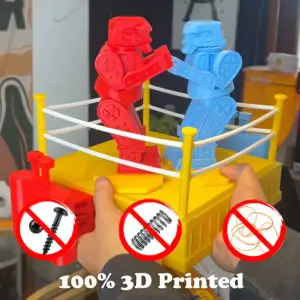
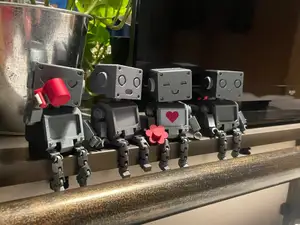

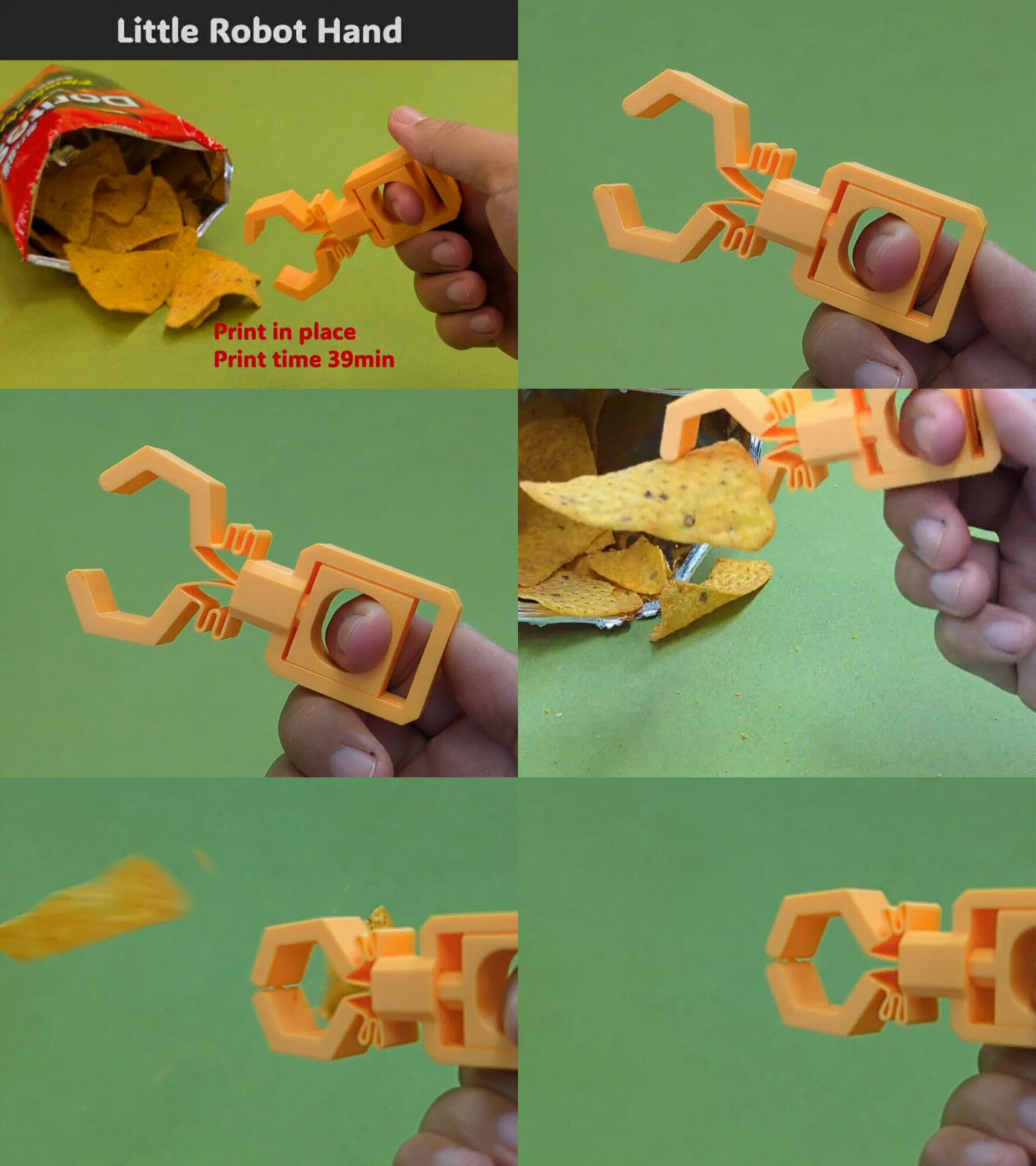

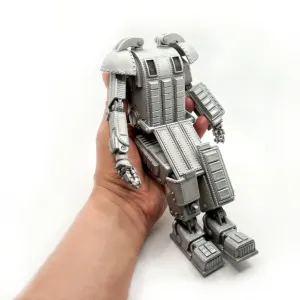




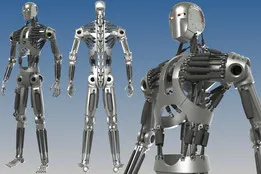

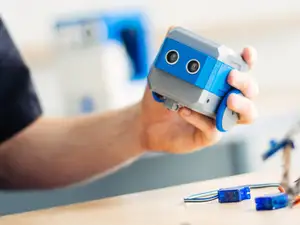
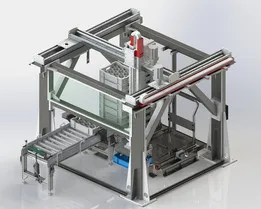
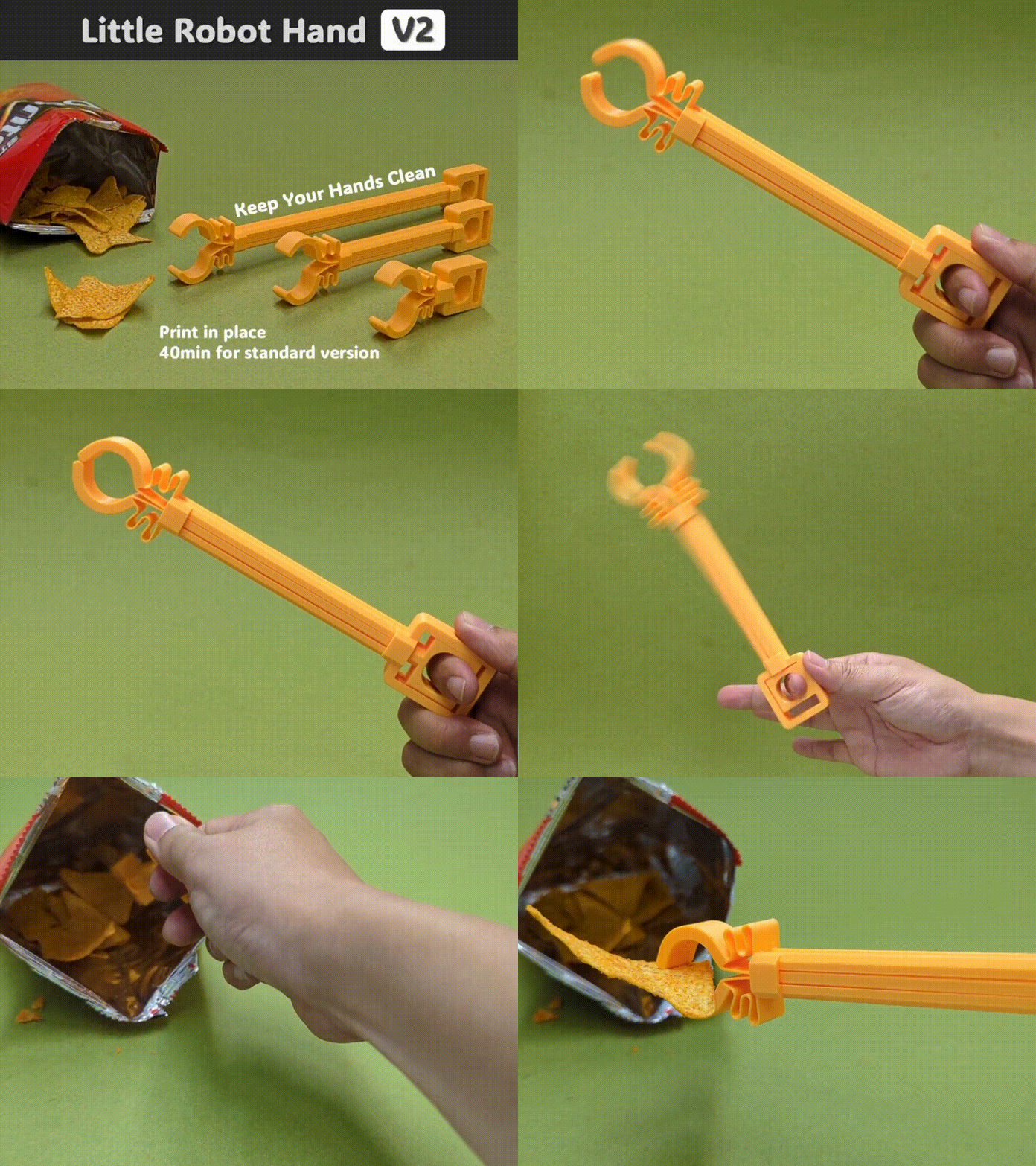


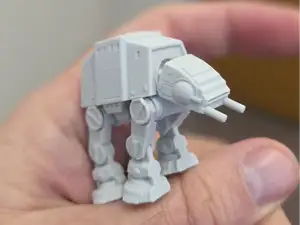


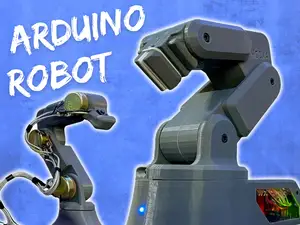

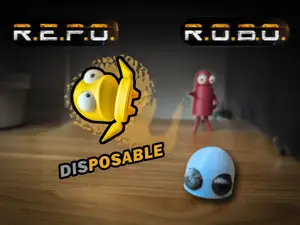


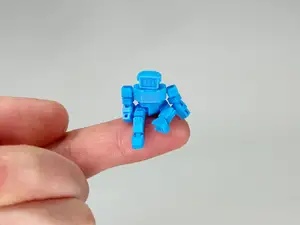
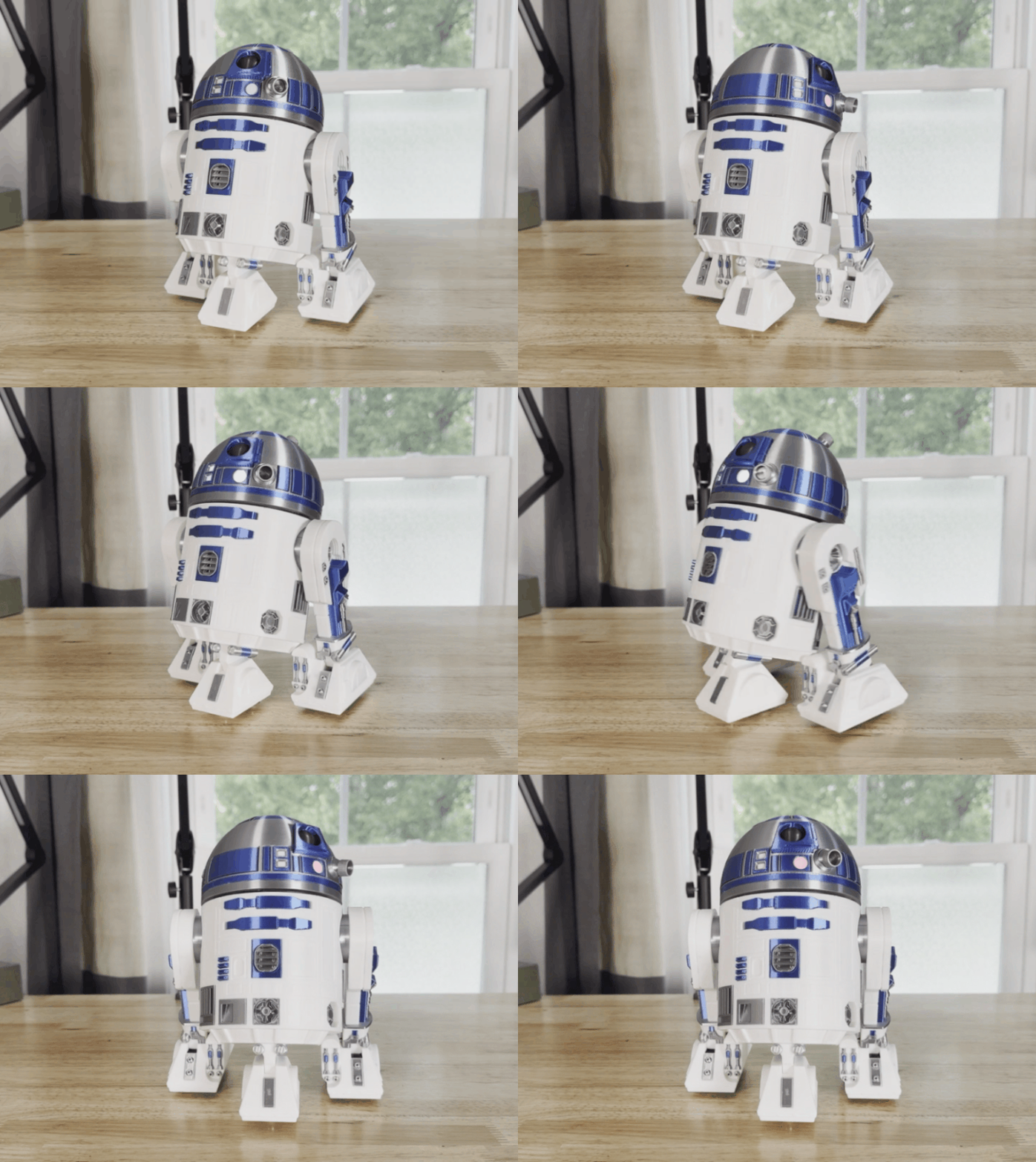
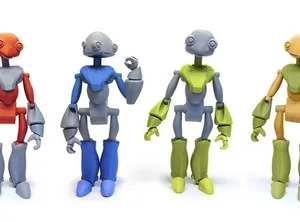

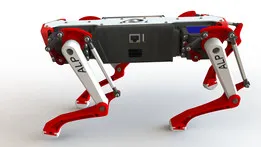
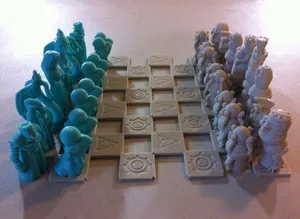

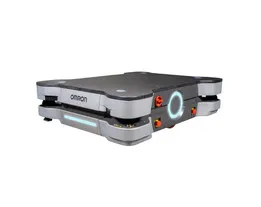

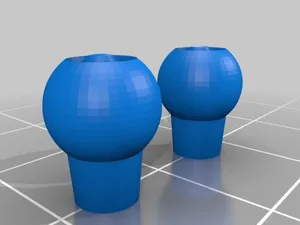


The models fall into a few groups. Articulated figures come as ball-jointed or snap-fit parts that hold a pose, while robot hands are usually printed as separate fingers and a palm. Walking and rolling designs add legs, wheels or a balancing body, and Arduino-based builds often include a frame plus mounts for motors and boards. Humanoid and character robots sit between a display figure and a mechanical project.
When choosing, open the author's page and look at the part count, the scale and whether the parts need supports. Check the material and settings the author lists, since thin joints and long limbs behave differently in rigid and flexible filaments. Photos of real prints help you judge how the joints fit and how much sanding or cleanup the surfaces need.
To narrow the results, try related terms such as robot arm, gripper, humanoid, walking robot or robot dog, and combine them with a mechanism word like articulated or posable. If you plan to add electronics, search for the board or servo type instead of the robot name. Browsing a category such as toys, electronics or miniatures can also surface models that the main query misses.


Il catalogo completo dei temi, dalla casa alla lavorazione CNC, con ricerca su tutti i siti collegati.