Gratis 
Циклон Мельта Ланс
Cults3D
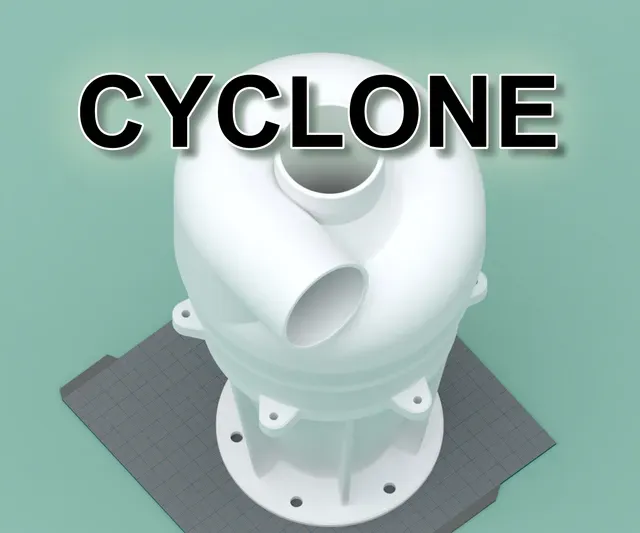
This collection gathers cyclone-shaped dust separators and related parts that people print for workshop and household vacuums. It covers compact single-stage units, larger multi-stage builds and a few decorative pieces that use the same swirling form. Most files are meant for a 3D printer, so the print volume and the fittings you already own decide what you can actually build. Polyzon does not confirm whether models are free, their price, license, official status, affiliation, safety or fitness. Check the current terms at the source.
Il testo di questa raccolta è in inglese; la ricerca funziona in qualsiasi lingua.
 Una raccolta di Polyzon · 48 modelli da 6 siti
Polyzon compone questa raccolta a partire dai risultati di ricerca dei siti collegati. I doppioni e i modelli senza anteprima vengono rimossi, le corrispondenze deboli finiscono in fondo e il resto mantiene l’ordine dei risultati. I modelli appartengono ai rispettivi autori: verifica le condizioni sulla pagina di ciascun modello.
Criteri di selezione a cura della redazione di Polyzon · Testo aggiornato: 12/10/2026


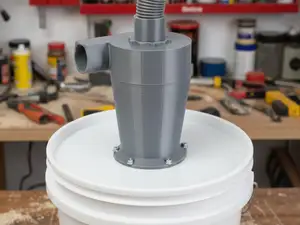
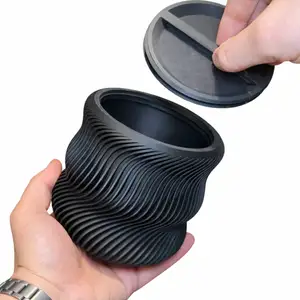

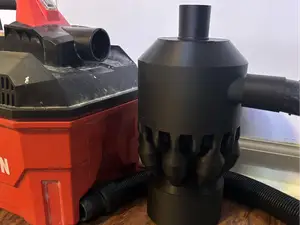

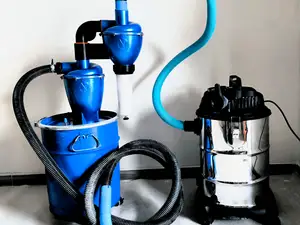


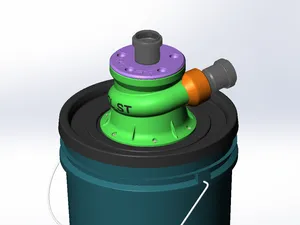

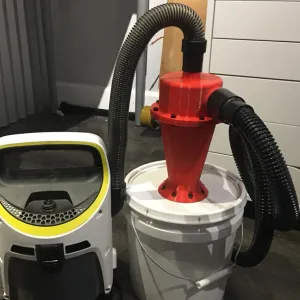

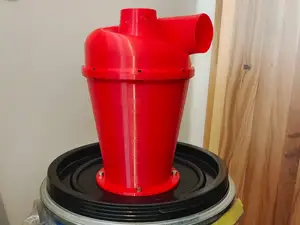
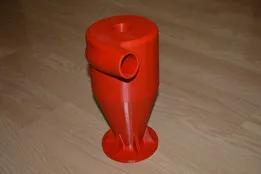


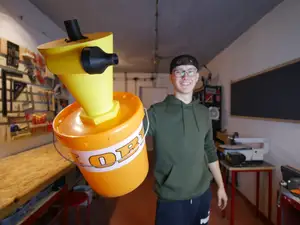


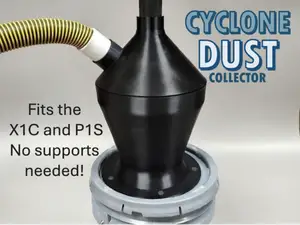


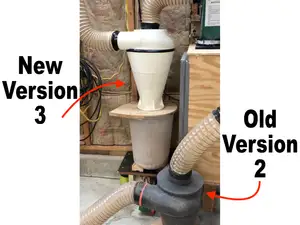


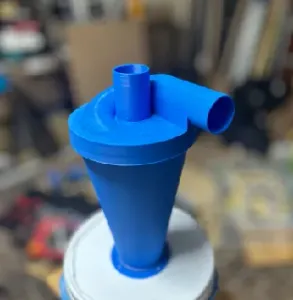


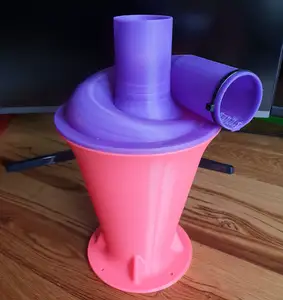



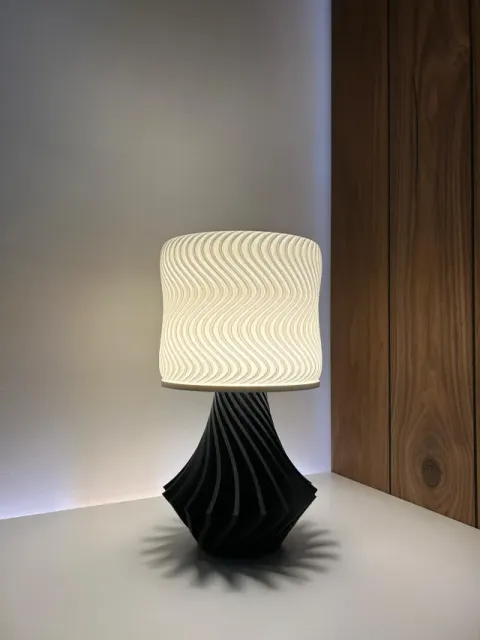
The largest group is separators that sit between a vacuum hose and a bucket, sized for shop vacuums and larger hoses. Alongside them are smaller versions made for household vacuums, and a few designs that add a second stage or an extra chamber to catch finer dust. Decorative cyclone-shaped objects appear as well, so the collection is not limited to workshop parts.
When choosing a model, look at the inlet and outlet diameters first, since they have to match your hose and bucket. Then check the number of parts, how they join, and whether the author expects glue, screws or seals. On the author's page, read the stated material and settings, and look at photos of real prints to judge wall thickness and surface quality.
If the results feel narrow, try related wording such as dust collector, vortex filter, dust extractor or separator for a specific hose size. Adding your vacuum type, bucket volume or intended material to the query usually narrows the list faster than browsing. Terms like airbrush or two-stage point to smaller and more specialised designs.



Il catalogo completo dei temi, dalla casa alla lavorazione CNC, con ricerca su tutti i siti collegati.