免费 
Циклон Мельта Ланс
Cults3D
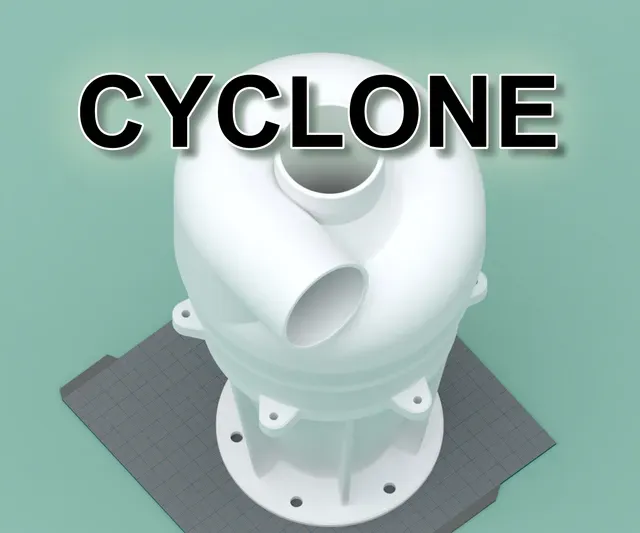
This collection gathers cyclone-shaped dust separators and related parts that people print for workshop and household vacuums. It covers compact single-stage units, larger multi-stage builds and a few decorative pieces that use the same swirling form. Most files are meant for a 3D printer, so the print volume and the fittings you already own decide what you can actually build. Polyzon does not confirm whether models are free, their price, license, official status, affiliation, safety or fitness. Check the current terms at the source.
本合集的文字为英文,搜索本身支持任何语言。
 Polyzon合集 · 48个模型 来自6个平台
此合集由Polyzon根据已接入平台的搜索结果整理而成:去除重复项和没有预览图的模型,匹配度低的排在最后,其余按搜索结果顺序排列。模型归作者所有——请在各模型页面查看使用条款。
筛选规则:Polyzon编辑部 · 文字更新于2026年10月12日
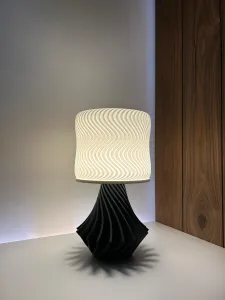


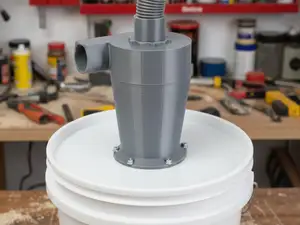
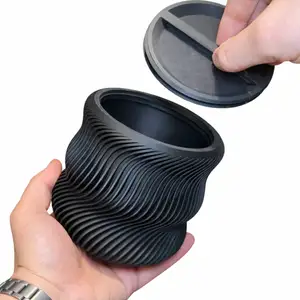

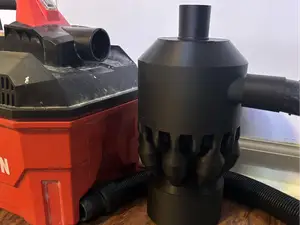

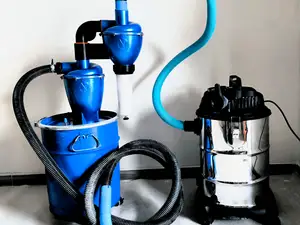


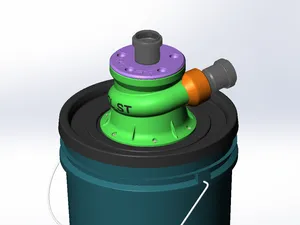

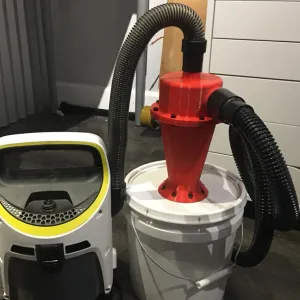

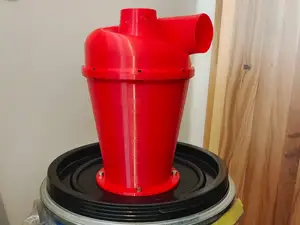
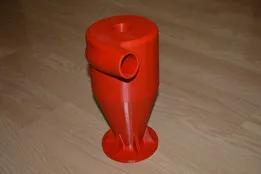


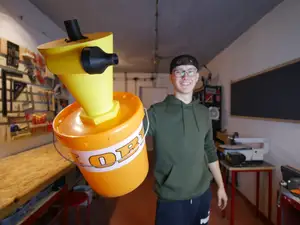


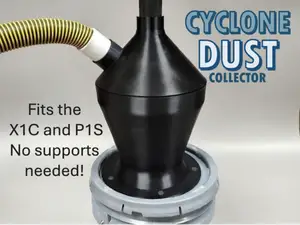


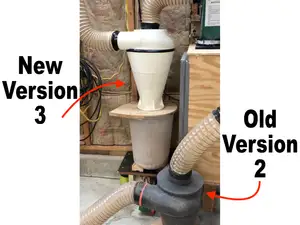


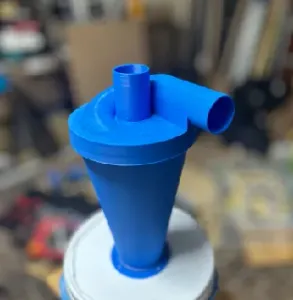


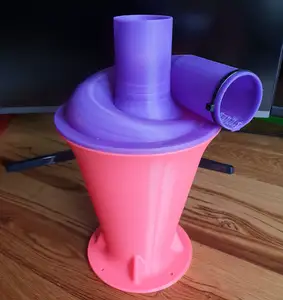



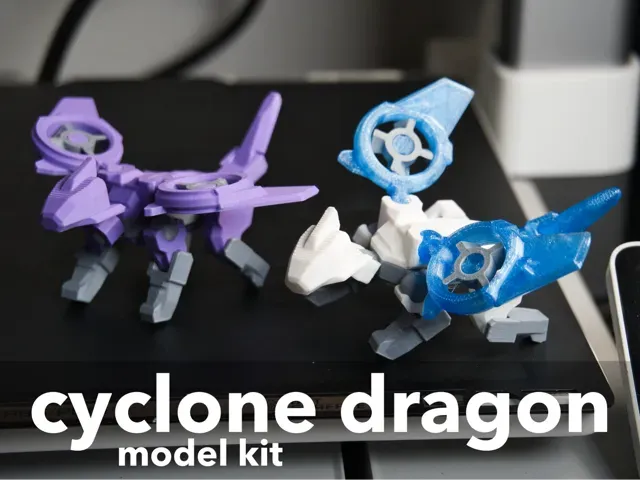
The largest group is separators that sit between a vacuum hose and a bucket, sized for shop vacuums and larger hoses. Alongside them are smaller versions made for household vacuums, and a few designs that add a second stage or an extra chamber to catch finer dust. Decorative cyclone-shaped objects appear as well, so the collection is not limited to workshop parts.
When choosing a model, look at the inlet and outlet diameters first, since they have to match your hose and bucket. Then check the number of parts, how they join, and whether the author expects glue, screws or seals. On the author's page, read the stated material and settings, and look at photos of real prints to judge wall thickness and surface quality.
If the results feel narrow, try related wording such as dust collector, vortex filter, dust extractor or separator for a specific hose size. Adding your vacuum type, bucket volume or intended material to the query usually narrows the list faster than browsing. Terms like airbrush or two-stage point to smaller and more specialised designs.
完整的主题目录:从家居日用到CNC,均可在已接入的来源平台中搜索。