
Gratis 
Flexi-Facehugger
Cults3D
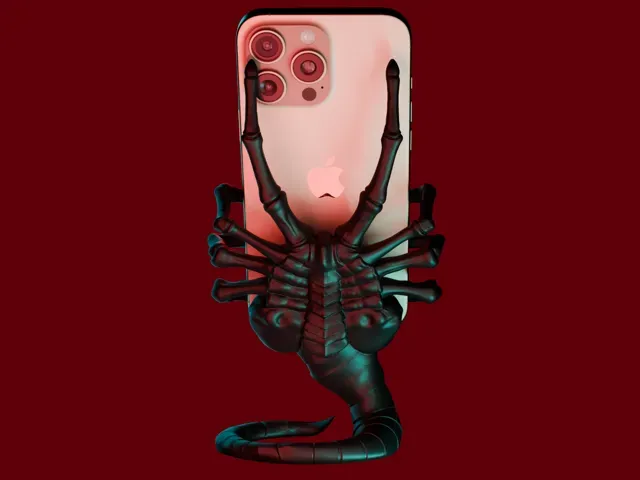
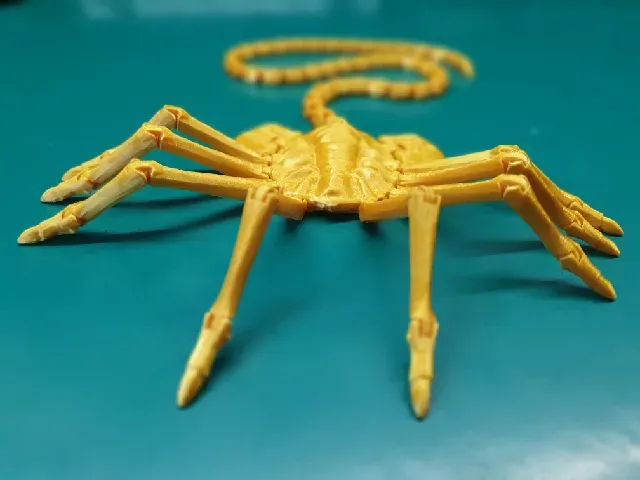
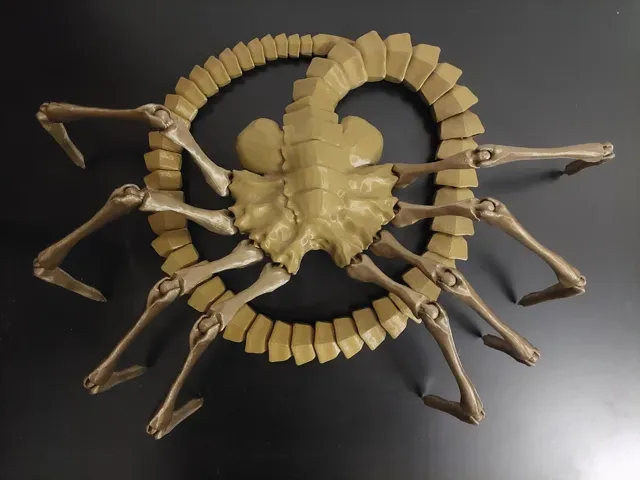
This collection gathers facehugger 3D models in several forms: articulated flexi figures, wearable masks, display stands, wall art and small accessories. Because the creature is mostly tail, fingers and a curved body, it is a shape that suits 3D printing in parts or as a single print-in-place piece. Browsing here helps you compare those approaches before you commit filament and time. Polyzon does not confirm whether models are free, their price, license, official status, affiliation, safety or fitness. Check the current terms at the source.
Il testo di questa raccolta è in inglese; la ricerca funziona in qualsiasi lingua.
 Una raccolta di Polyzon · 48 modelli da 6 siti
Polyzon compone questa raccolta a partire dai risultati di ricerca dei siti collegati. I doppioni e i modelli senza anteprima vengono rimossi, le corrispondenze deboli finiscono in fondo e il resto mantiene l’ordine dei risultati. I modelli appartengono ai rispettivi autori: verifica le condizioni sulla pagina di ciascun modello.
Criteri di selezione a cura della redazione di Polyzon · Testo aggiornato: 12/10/2026


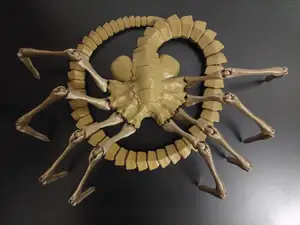
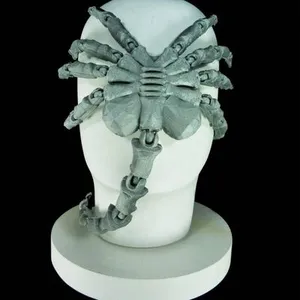
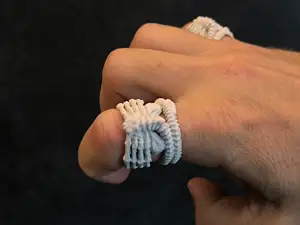

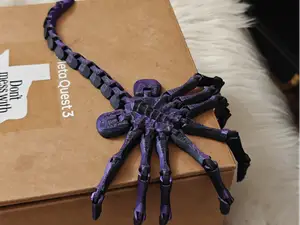

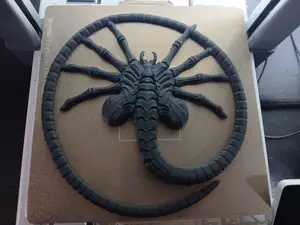
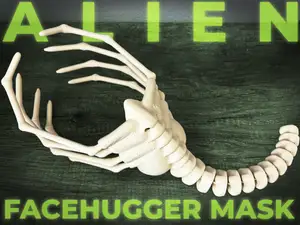

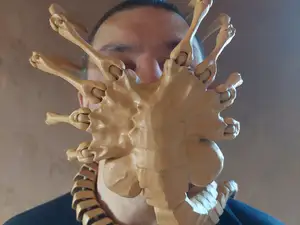
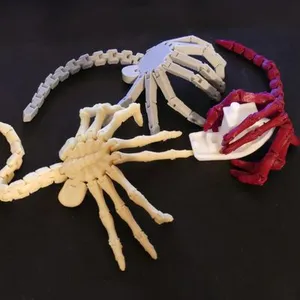
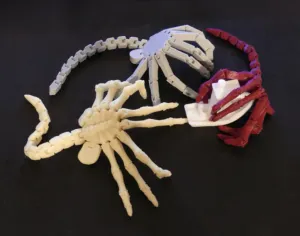


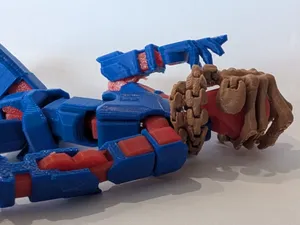
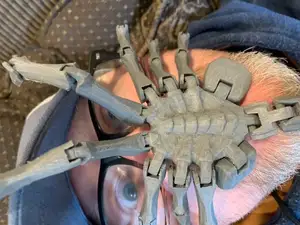


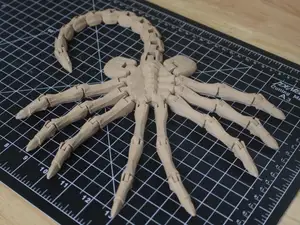
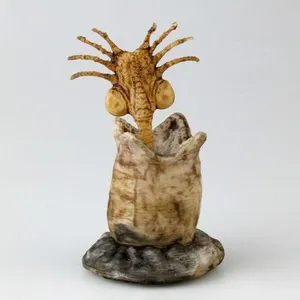
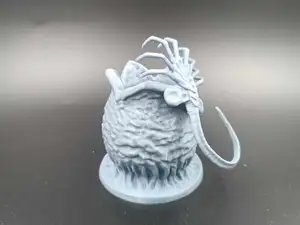
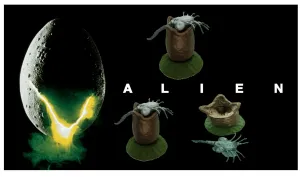
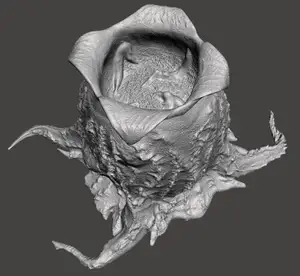
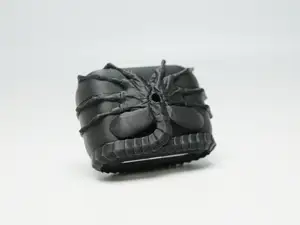
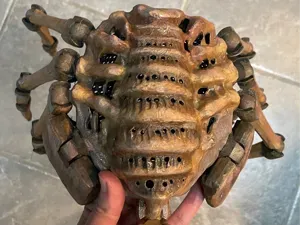
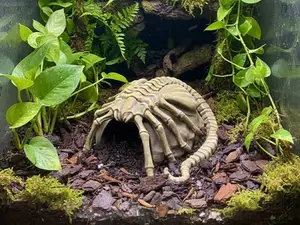
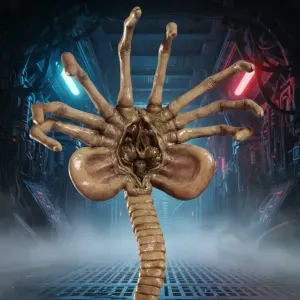


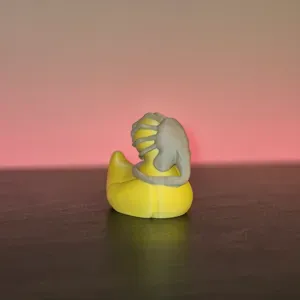
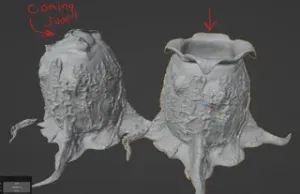

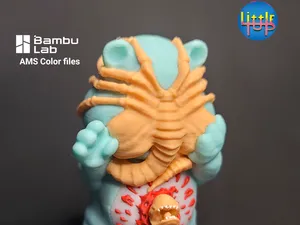
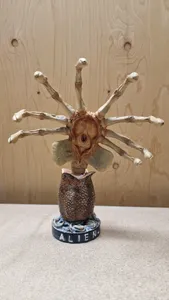
The models differ mainly in how they are built. Some are print-in-place designs where the tail and fingers are already articulated, others are split into a body, a tail and separate legs that you glue or pin together. Wearable versions are usually hollow shells shaped to sit over a head, while wall art and stands are solid pieces with a flat back or a base. Egg and xenomorph pieces often appear alongside them as matching display items.
When choosing, open the author's page and read the listed dimensions first, since a facehugger scaled for a mask is far larger than one scaled for a shelf. Check how many parts the file contains, whether the tail is a separate piece, and whether the author states that supports are needed for the legs and fingers. Material and settings matter too: flexible filament is common for articulated tails, while rigid filament holds thin leg tips better. Photos of real prints show how the joints and the underside actually come out.
To widen or narrow the search, try related terms such as xenomorph, alien egg, chestburster, articulated or print-in-place, and flexi. Adding a use to the query, like mask, phone holder, wall art or amulet, moves the results toward a specific type. If you want a smaller or larger version, search for the scale or look for remixes, since the same creature is often reworked at different sizes.




Il catalogo completo dei temi, dalla casa alla lavorazione CNC, con ricerca su tutti i siti collegati.