
免费 
Flexi-Facehugger
Cults3D
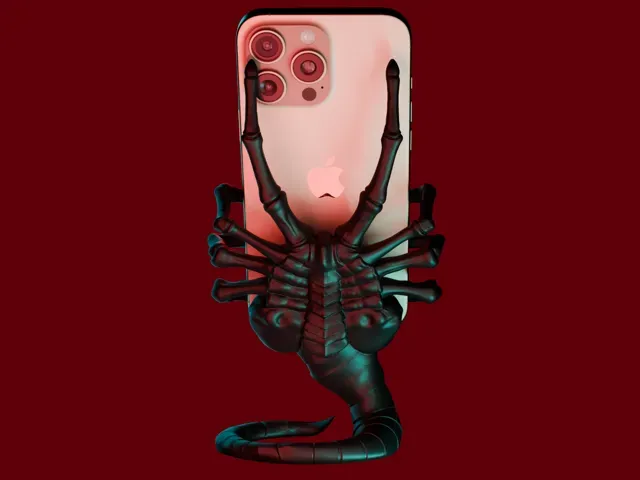
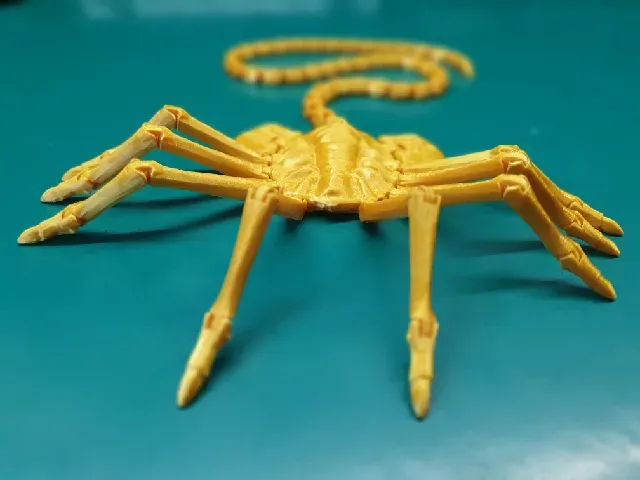
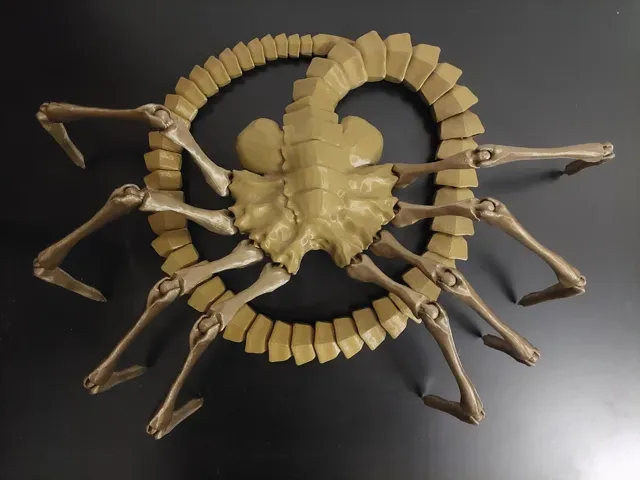
This collection gathers facehugger 3D models in several forms: articulated flexi figures, wearable masks, display stands, wall art and small accessories. Because the creature is mostly tail, fingers and a curved body, it is a shape that suits 3D printing in parts or as a single print-in-place piece. Browsing here helps you compare those approaches before you commit filament and time. Polyzon does not confirm whether models are free, their price, license, official status, affiliation, safety or fitness. Check the current terms at the source.
本合集的文字为英文,搜索本身支持任何语言。
 Polyzon合集 · 48个模型 来自6个平台
此合集由Polyzon根据已接入平台的搜索结果整理而成:去除重复项和没有预览图的模型,匹配度低的排在最后,其余按搜索结果顺序排列。模型归作者所有——请在各模型页面查看使用条款。
筛选规则:Polyzon编辑部 · 文字更新于2026年10月12日


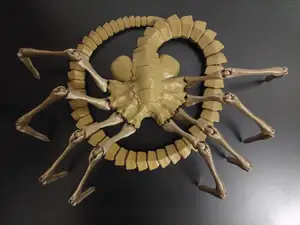
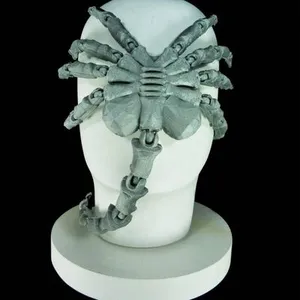
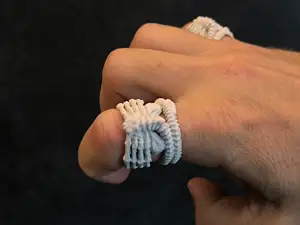

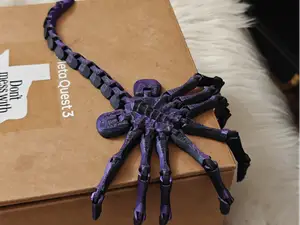

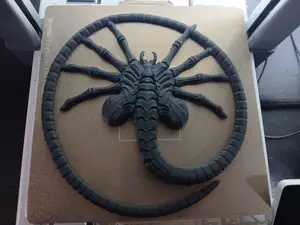
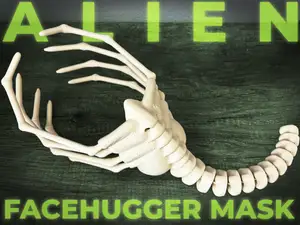

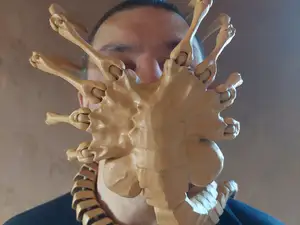
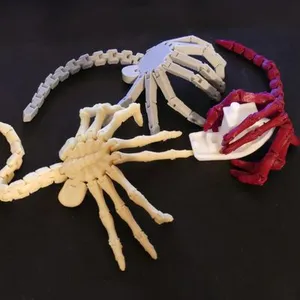
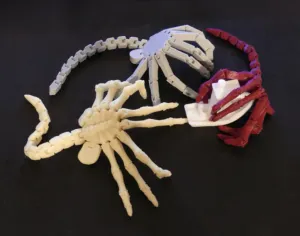


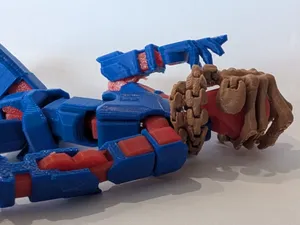
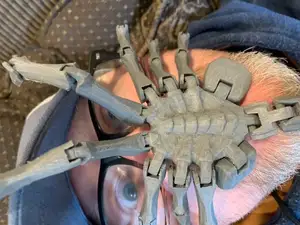


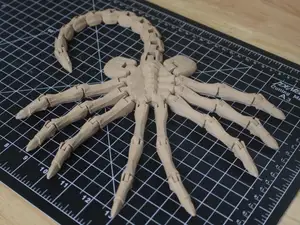
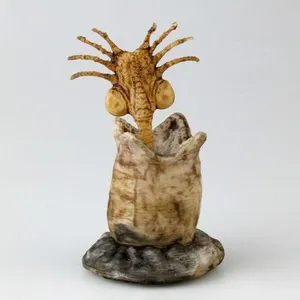
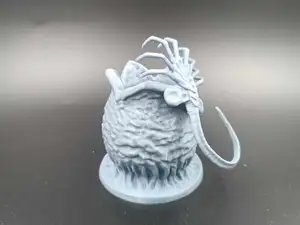
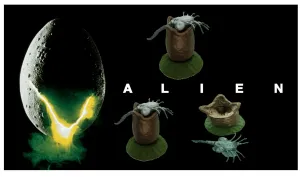
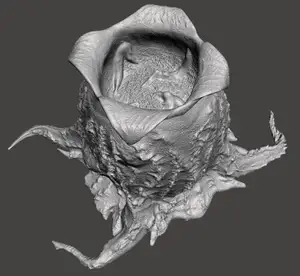
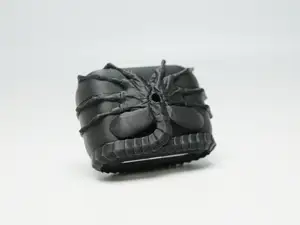
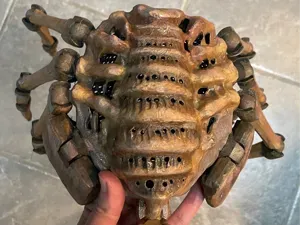
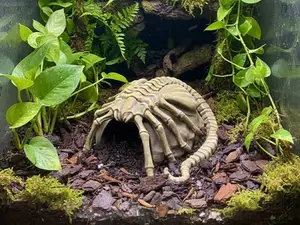
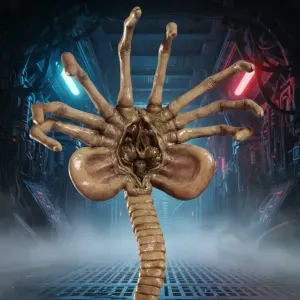


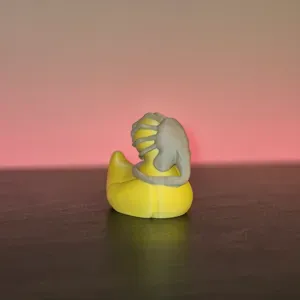
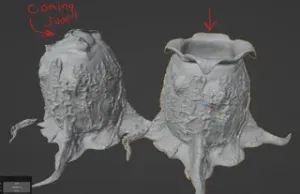

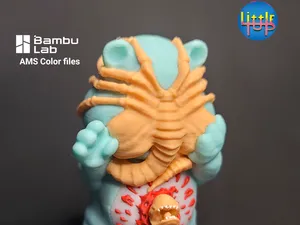
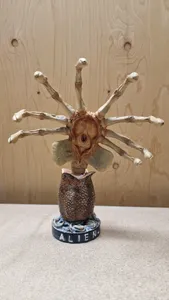
The models differ mainly in how they are built. Some are print-in-place designs where the tail and fingers are already articulated, others are split into a body, a tail and separate legs that you glue or pin together. Wearable versions are usually hollow shells shaped to sit over a head, while wall art and stands are solid pieces with a flat back or a base. Egg and xenomorph pieces often appear alongside them as matching display items.
When choosing, open the author's page and read the listed dimensions first, since a facehugger scaled for a mask is far larger than one scaled for a shelf. Check how many parts the file contains, whether the tail is a separate piece, and whether the author states that supports are needed for the legs and fingers. Material and settings matter too: flexible filament is common for articulated tails, while rigid filament holds thin leg tips better. Photos of real prints show how the joints and the underside actually come out.
To widen or narrow the search, try related terms such as xenomorph, alien egg, chestburster, articulated or print-in-place, and flexi. Adding a use to the query, like mask, phone holder, wall art or amulet, moves the results toward a specific type. If you want a smaller or larger version, search for the scale or look for remixes, since the same creature is often reworked at different sizes.




完整的主题目录:从家居日用到CNC,均可在已接入的来源平台中搜索。