Gratis 
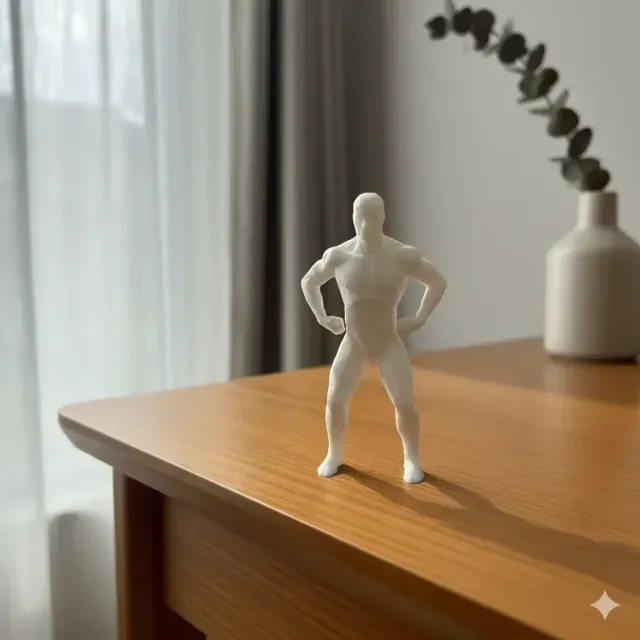
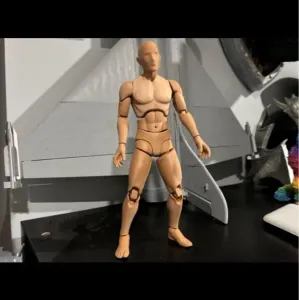
Thin Man
Thingiverse
This collection gathers human figurine 3D models in several directions: standing figures, articulated bodies that need assembly, character figures, busts and skeletons. It is useful when you need a person-shaped model for a diorama, a shelf piece or a study of anatomy, and want to compare options before sending an STL to a 3D printer. Polyzon does not confirm whether models are free, their price, license, official status, affiliation, safety or fitness. Check the current terms at the source.
Il testo di questa raccolta è in inglese; la ricerca funziona in qualsiasi lingua.
 Una raccolta di Polyzon · 48 modelli da 4 siti
Polyzon compone questa raccolta a partire dai risultati di ricerca dei siti collegati. I doppioni e i modelli senza anteprima vengono rimossi, le corrispondenze deboli finiscono in fondo e il resto mantiene l’ordine dei risultati. I modelli appartengono ai rispettivi autori: verifica le condizioni sulla pagina di ciascun modello.
Criteri di selezione a cura della redazione di Polyzon · Testo aggiornato: 14/10/2026


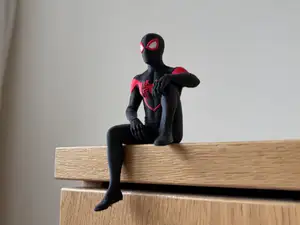
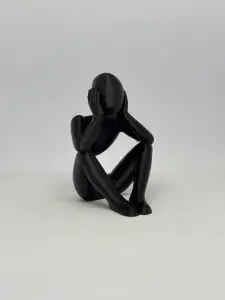


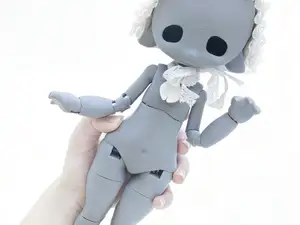



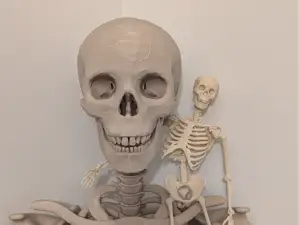
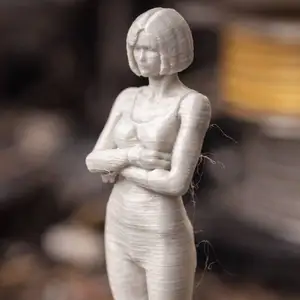


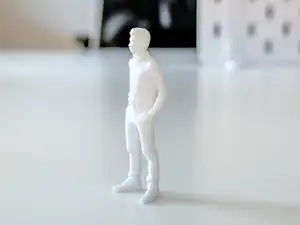

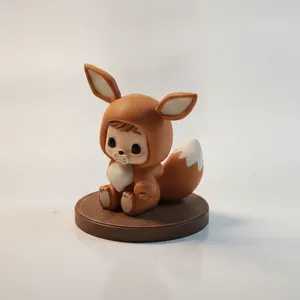
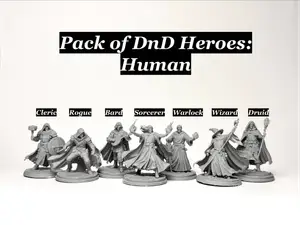
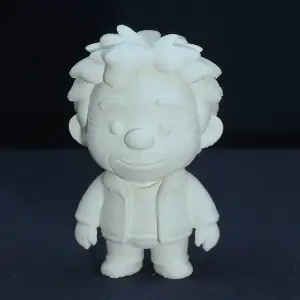

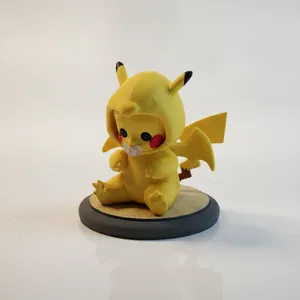
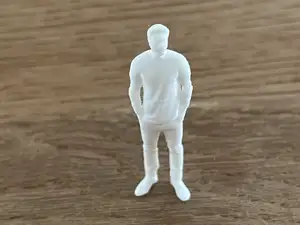
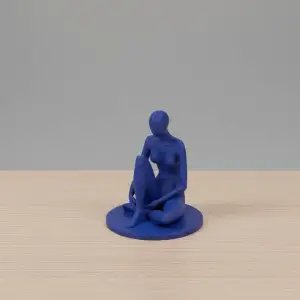

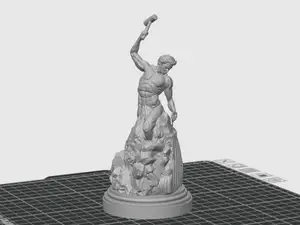
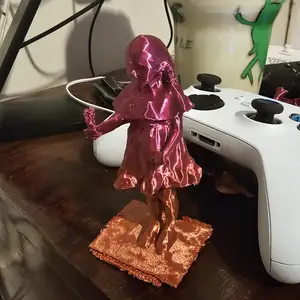

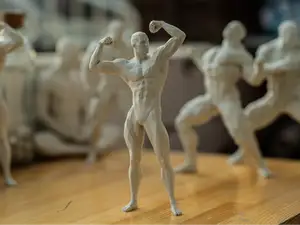
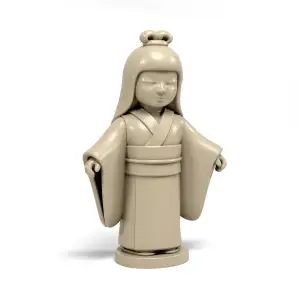

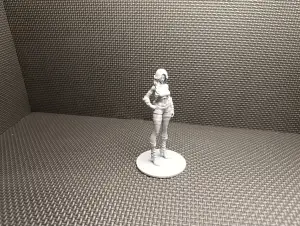


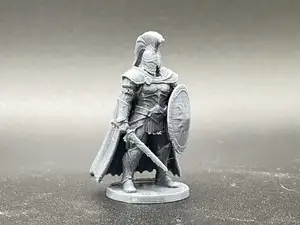
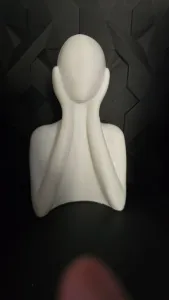


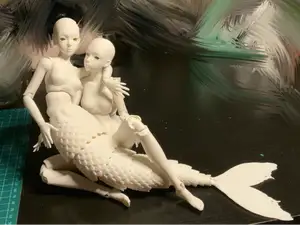
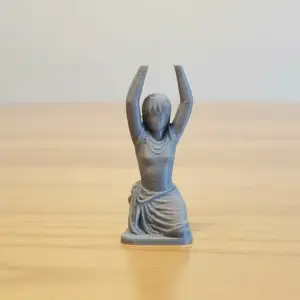


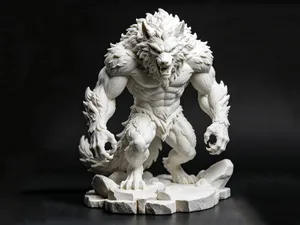
The models differ mainly in how they are built. Some are single-piece standing figures with a fixed pose, others are split into parts or printed inside a sprue and then assembled, and articulated versions use joints so the limbs can be moved after printing. Busts and decorative pieces stop at the head or torso, while skeleton and anatomical figures focus on structure rather than a portrait.
When choosing a model, look at the scale and dimensions the author lists, since a figure sized for a diorama will not match one meant for a shelf. Check how many parts the file contains, whether the parts need glue or pins, and whether the author mentions supports and orientation. Photos of real prints on the model page show how the surface, thin limbs and small details come out, and the material and settings the author lists give a starting point for your own 3D printer.
To widen or narrow the search, try related wording such as man, woman, human body, pose, diorama figure, articulated doll or anatomy model. Adding a scale, a pose or a use case to the query helps separate display figurines from game miniatures and study models. If you already have a subject in mind, combine it with terms like bust, standing or skeleton instead of browsing the whole category.
Small parts and thin elements are the usual trouble spots: fingers, weapons, hair strands and joint pins. Scaling a figure up can make those details easier to print, while scaling down may call for thicker features or a different orientation. If a model is meant to stand on its own, check whether the base is part of the file or has to be made separately.



Il catalogo completo dei temi, dalla casa alla lavorazione CNC, con ricerca su tutti i siti collegati.