無料 
Thin Man
Thingiverse
This collection gathers human figurine 3D models in several directions: standing figures, articulated bodies that need assembly, character figures, busts and skeletons. It is useful when you need a person-shaped model for a diorama, a shelf piece or a study of anatomy, and want to compare options before sending an STL to a 3D printer. Polyzon does not confirm whether models are free, their price, license, official status, affiliation, safety or fitness. Check the current terms at the source.
このコレクションの本文は英語で書かれています。検索自体はどの言語でも使えます。
 Polyzonのコレクション · モデル48件 4サイトから収集
このコレクションは、Polyzonが対応サイトの検索結果をもとに作成しています。重複やプレビューのないモデルは除外し、関連性の低いものは後ろに回し、それ以外は検索結果の順に並べています。モデルの権利は各作者にあります。利用条件は各モデルのページでご確認ください。
選定基準:Polyzon編集部 · 本文の更新日:2026年10月14日


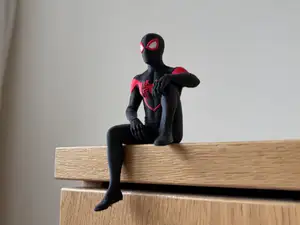
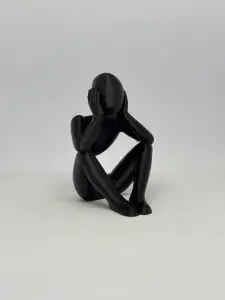


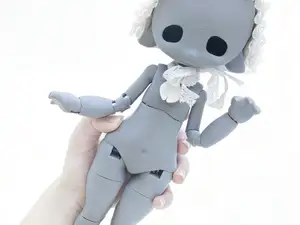



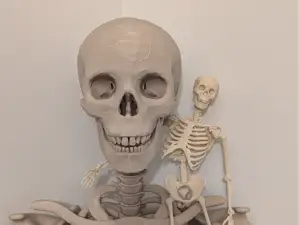
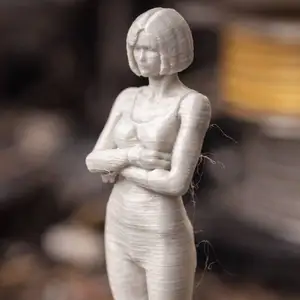

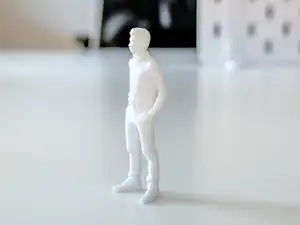
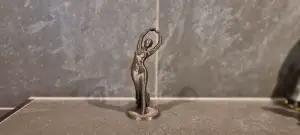

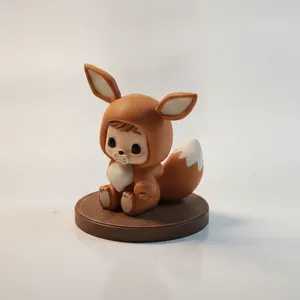
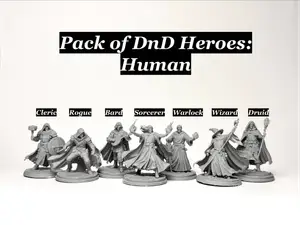
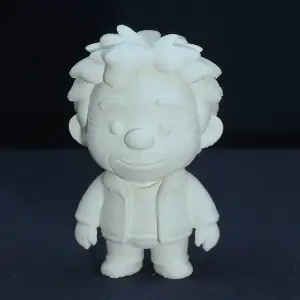

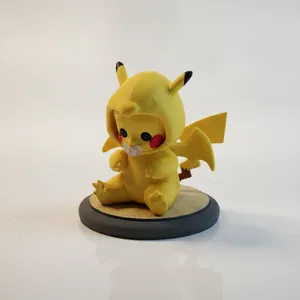
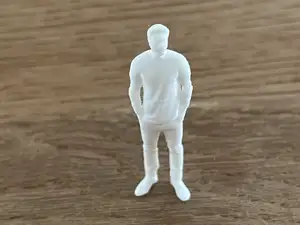
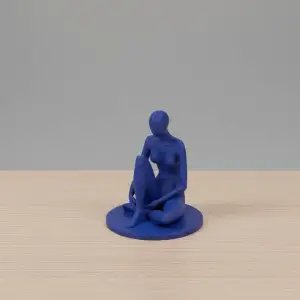

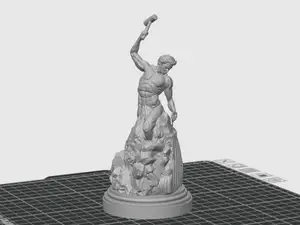
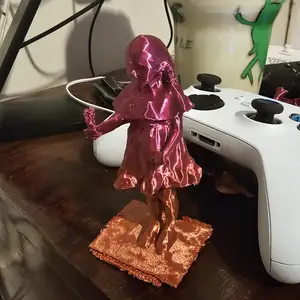

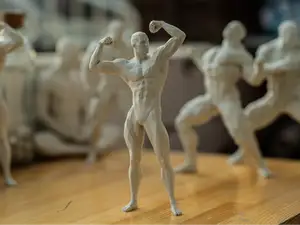
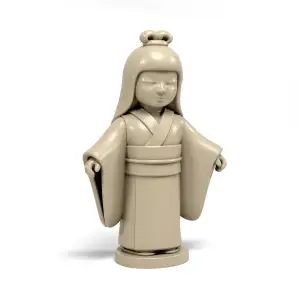

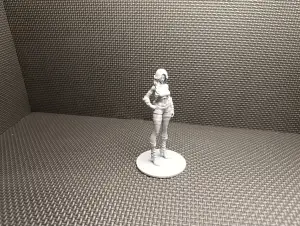


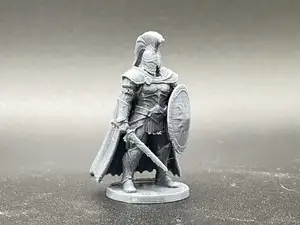
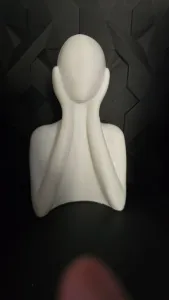


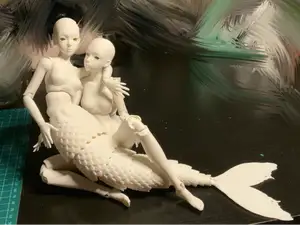
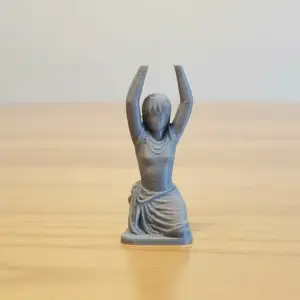


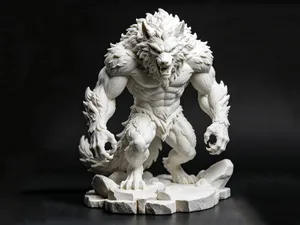
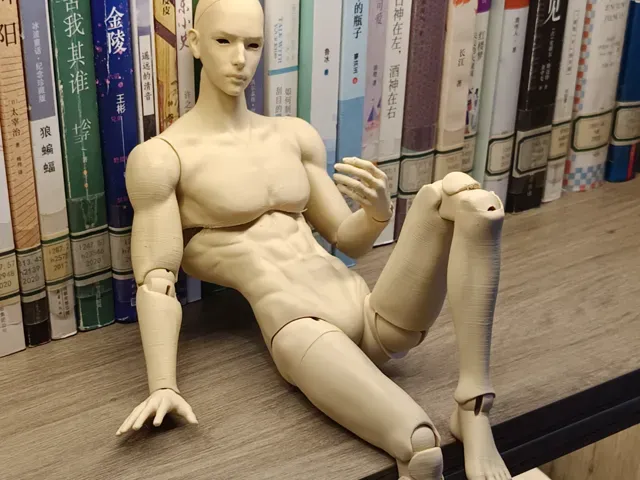
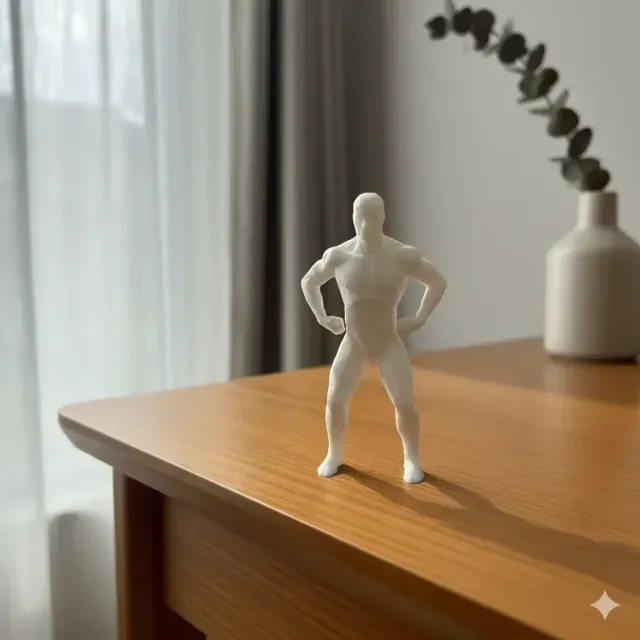
The models differ mainly in how they are built. Some are single-piece standing figures with a fixed pose, others are split into parts or printed inside a sprue and then assembled, and articulated versions use joints so the limbs can be moved after printing. Busts and decorative pieces stop at the head or torso, while skeleton and anatomical figures focus on structure rather than a portrait.
When choosing a model, look at the scale and dimensions the author lists, since a figure sized for a diorama will not match one meant for a shelf. Check how many parts the file contains, whether the parts need glue or pins, and whether the author mentions supports and orientation. Photos of real prints on the model page show how the surface, thin limbs and small details come out, and the material and settings the author lists give a starting point for your own 3D printer.
To widen or narrow the search, try related wording such as man, woman, human body, pose, diorama figure, articulated doll or anatomy model. Adding a scale, a pose or a use case to the query helps separate display figurines from game miniatures and study models. If you already have a subject in mind, combine it with terms like bust, standing or skeleton instead of browsing the whole category.
Small parts and thin elements are the usual trouble spots: fingers, weapons, hair strands and joint pins. Scaling a figure up can make those details easier to print, while scaling down may call for thicker features or a different orientation. If a model is meant to stand on its own, check whether the base is part of the file or has to be made separately.



暮らし・日用品からCNCまで、すべてのテーマをそろえたカタログ。対応サイトを横断して検索できます。