Gratis 
Spool Foot
Thingiverse
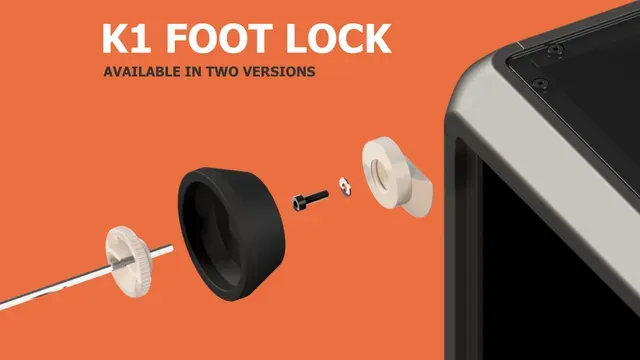
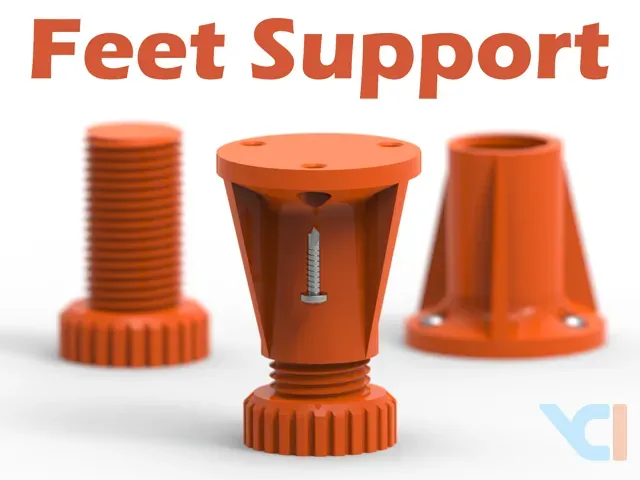
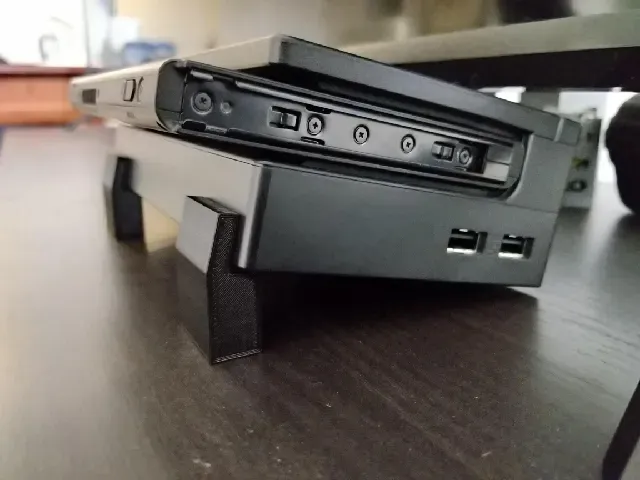
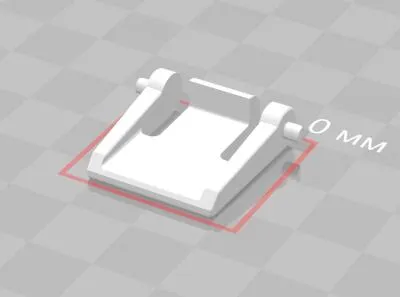
This collection gathers 3D models built around feet in the broadest sense: machine and keyboard feet, furniture legs, anatomical studies and massage rollers. It is useful when a small part breaks, when a device needs to sit steadier, or when you want a foot-shaped object for study or display. Each entry is a file for 3D printing, so the shape, scale and mounting details come from the author's page. Polyzon does not confirm whether models are free, their price, license, official status, affiliation, safety or fitness. Check the current terms at the source.
Il testo di questa raccolta è in inglese; la ricerca funziona in qualsiasi lingua.
 Una raccolta di Polyzon · 48 modelli da 5 siti
Polyzon compone questa raccolta a partire dai risultati di ricerca dei siti collegati. I doppioni e i modelli senza anteprima vengono rimossi, le corrispondenze deboli finiscono in fondo e il resto mantiene l’ordine dei risultati. I modelli appartengono ai rispettivi autori: verifica le condizioni sulla pagina di ciascun modello.
Criteri di selezione a cura della redazione di Polyzon · Testo aggiornato: 14/10/2026
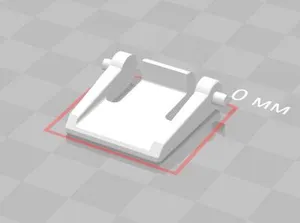
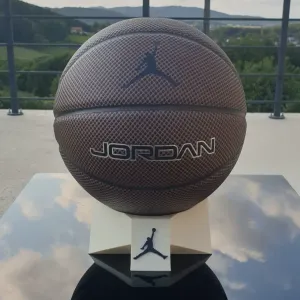

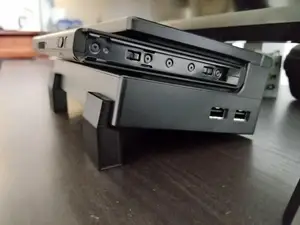
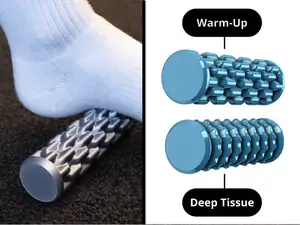
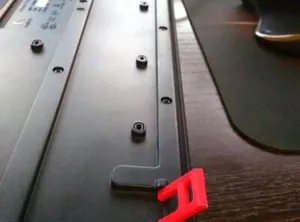
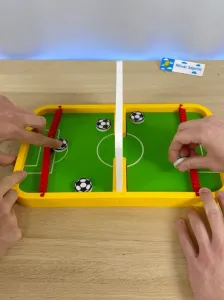

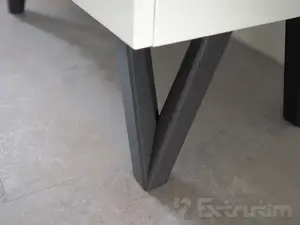
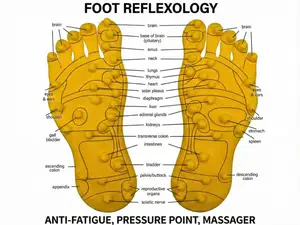
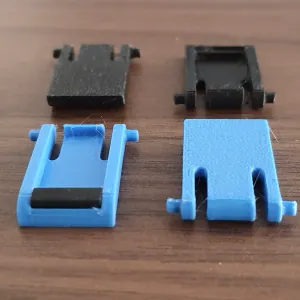

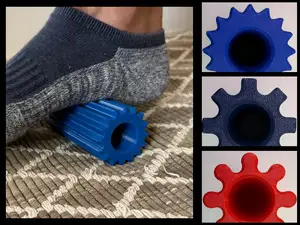
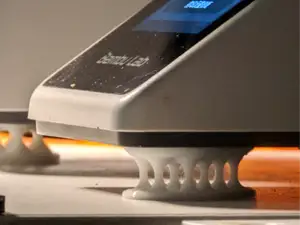
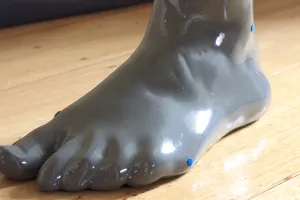

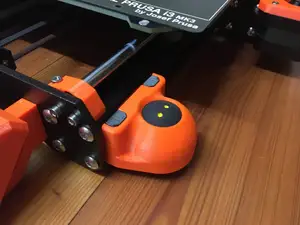
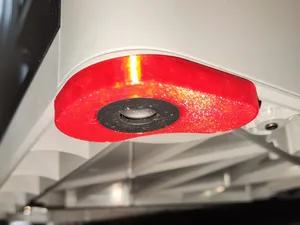
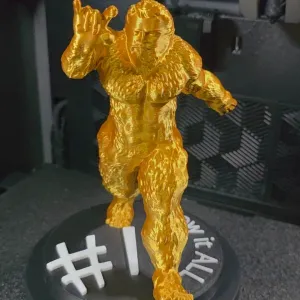

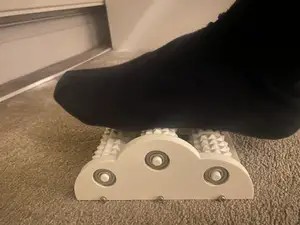
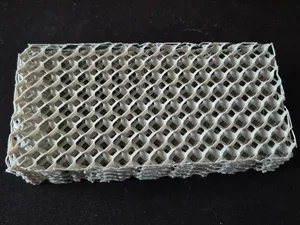

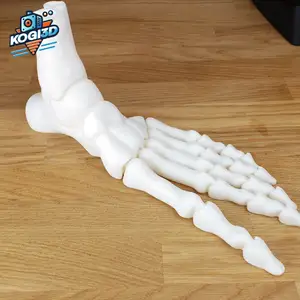
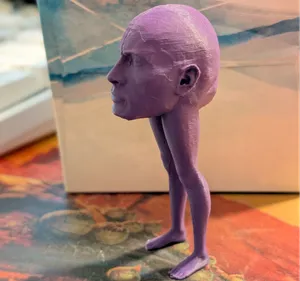
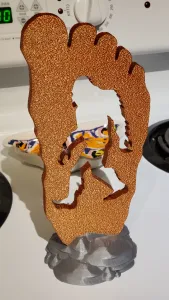

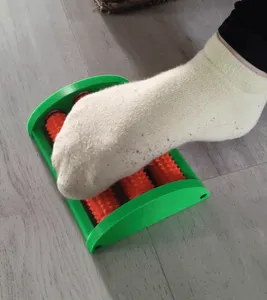
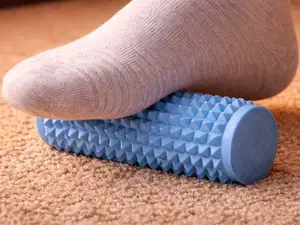
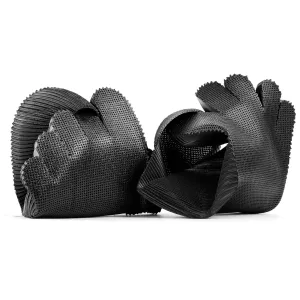

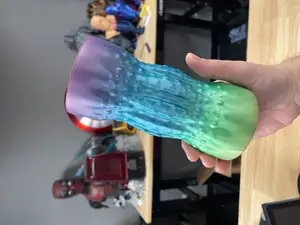
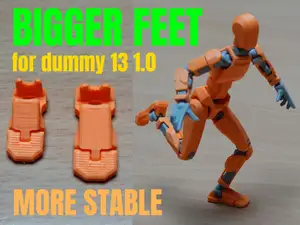
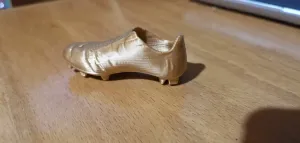

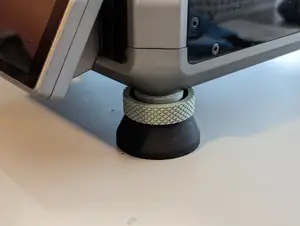

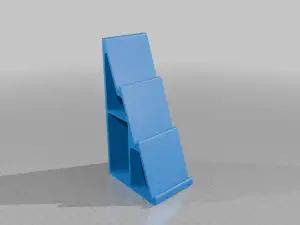

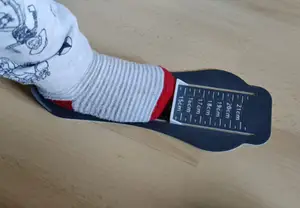
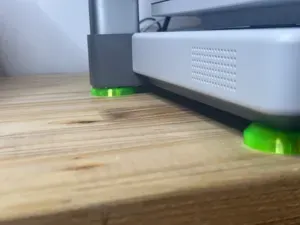
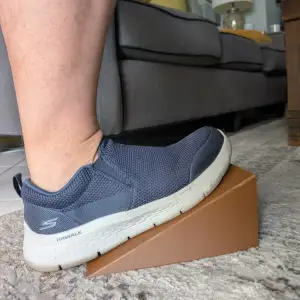

The models fall into a few groups that behave differently on a 3D printer. Device feet and anti-vibration pads are usually small, flat and printed in a flexible filament to absorb movement, while furniture legs are larger, load-bearing parts often printed in rigid plastic with a threaded or slotted top. Keyboard and dock feet are replacement pieces shaped to match a specific housing, and anatomical or reflexology models are solid study objects with fine surface detail. Foot-shaped supports for balls and game pieces sit somewhere between a toy and a functional part.
Before printing, open the author's page and check the dimensions against the part you are replacing, the mounting method (screw, snap fit, adhesive or threaded insert), and the material and settings the author lists. For damping feet, the filament choice matters more than the geometry, since a soft material deforms under load; for legs and stands, wall count and infill decide how much weight the part carries. Look at photos of real prints to judge how the surface and the fit turned out, and check whether the model needs supports or prints without them.
Search results improve when you vary the wording. Try leg, pad, stand, base, glide or replacement alongside foot, and add the device or furniture type you are working on. Related terms such as anti-vibration, furniture hardware, anatomy, reflexology or massage often surface models that the word foot alone misses, and switching between singular and plural forms brings up different sets of files.
If a model looks close but not exact, check whether the author published several sizes or a parametric version before moving on. Scaling a foot changes the fit of screws and threads, so it is usually safer to find a file with the right dimensions than to resize one. Saving a few candidates and comparing their part counts and assembly steps takes less time than reprinting a part that does not match.


Il catalogo completo dei temi, dalla casa alla lavorazione CNC, con ricerca su tutti i siti collegati.