免费 
Spool Foot
Thingiverse
This collection gathers 3D models built around feet in the broadest sense: machine and keyboard feet, furniture legs, anatomical studies and massage rollers. It is useful when a small part breaks, when a device needs to sit steadier, or when you want a foot-shaped object for study or display. Each entry is a file for 3D printing, so the shape, scale and mounting details come from the author's page. Polyzon does not confirm whether models are free, their price, license, official status, affiliation, safety or fitness. Check the current terms at the source.
本合集的文字为英文,搜索本身支持任何语言。
 Polyzon合集 · 48个模型 来自5个平台
此合集由Polyzon根据已接入平台的搜索结果整理而成:去除重复项和没有预览图的模型,匹配度低的排在最后,其余按搜索结果顺序排列。模型归作者所有——请在各模型页面查看使用条款。
筛选规则:Polyzon编辑部 · 文字更新于2026年10月14日
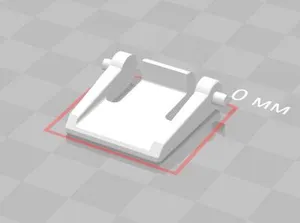
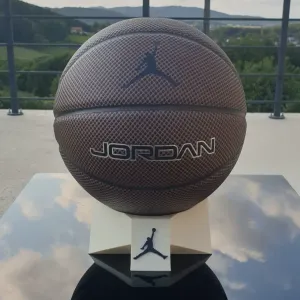

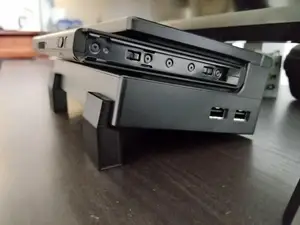
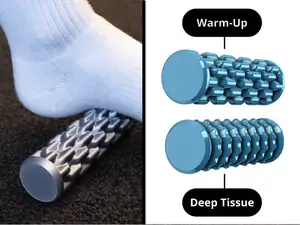
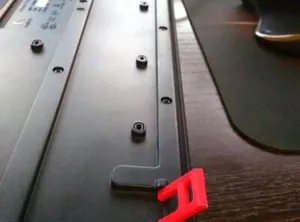
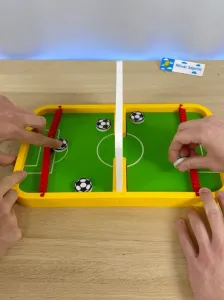

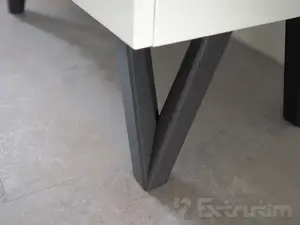
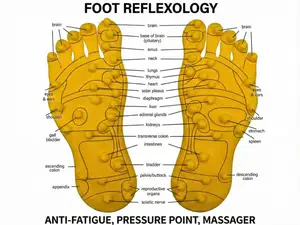
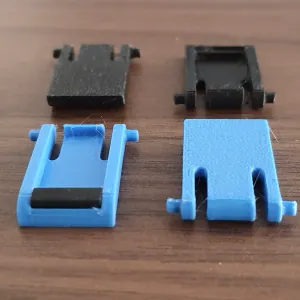

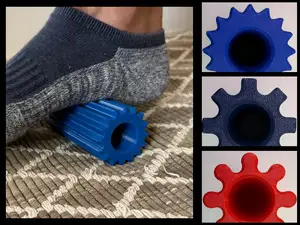
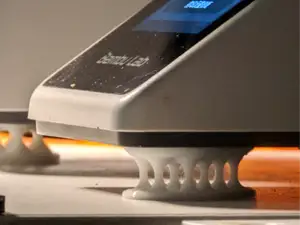
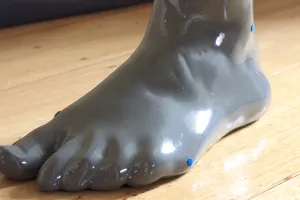

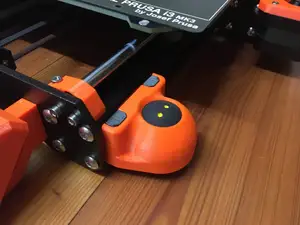
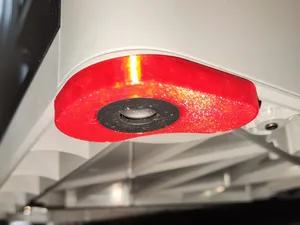
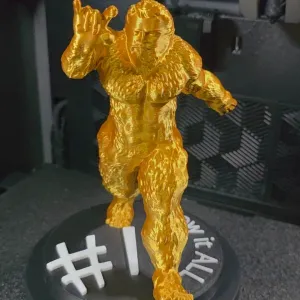

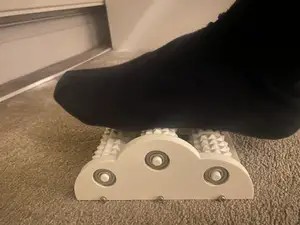
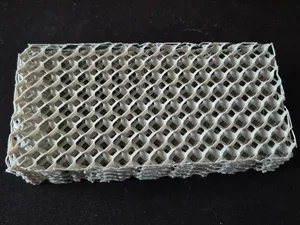

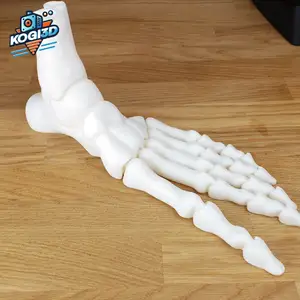
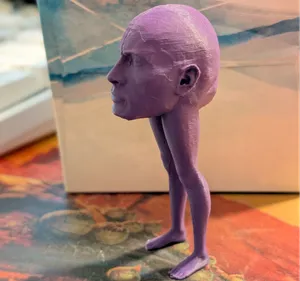
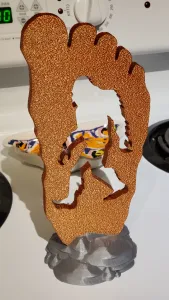

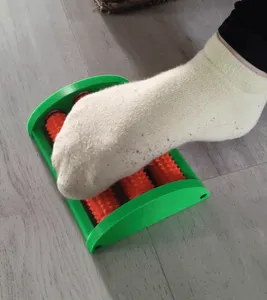
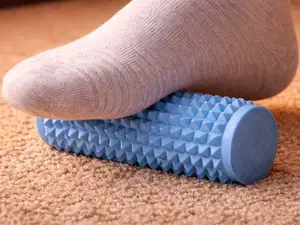
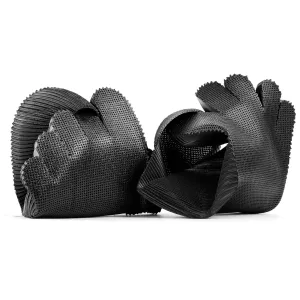

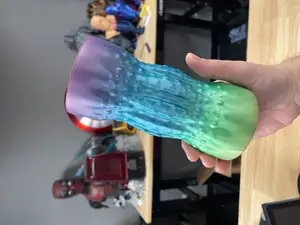
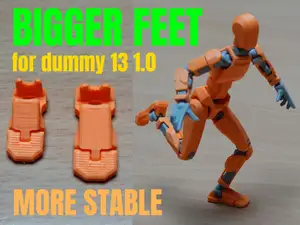
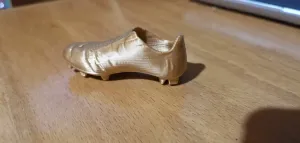

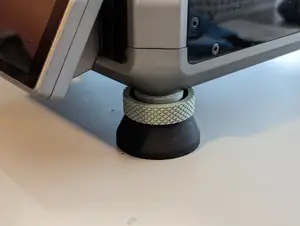

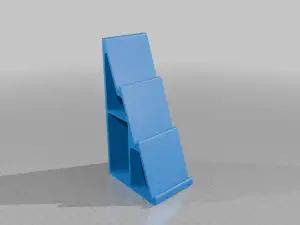

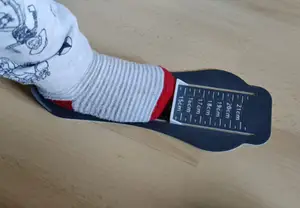
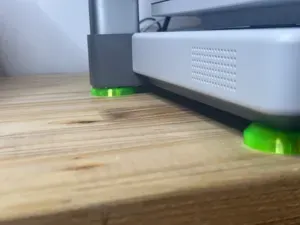
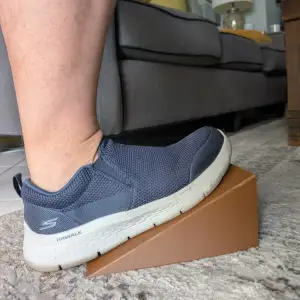

The models fall into a few groups that behave differently on a 3D printer. Device feet and anti-vibration pads are usually small, flat and printed in a flexible filament to absorb movement, while furniture legs are larger, load-bearing parts often printed in rigid plastic with a threaded or slotted top. Keyboard and dock feet are replacement pieces shaped to match a specific housing, and anatomical or reflexology models are solid study objects with fine surface detail. Foot-shaped supports for balls and game pieces sit somewhere between a toy and a functional part.
Before printing, open the author's page and check the dimensions against the part you are replacing, the mounting method (screw, snap fit, adhesive or threaded insert), and the material and settings the author lists. For damping feet, the filament choice matters more than the geometry, since a soft material deforms under load; for legs and stands, wall count and infill decide how much weight the part carries. Look at photos of real prints to judge how the surface and the fit turned out, and check whether the model needs supports or prints without them.
Search results improve when you vary the wording. Try leg, pad, stand, base, glide or replacement alongside foot, and add the device or furniture type you are working on. Related terms such as anti-vibration, furniture hardware, anatomy, reflexology or massage often surface models that the word foot alone misses, and switching between singular and plural forms brings up different sets of files.
If a model looks close but not exact, check whether the author published several sizes or a parametric version before moving on. Scaling a foot changes the fit of screws and threads, so it is usually safer to find a file with the right dimensions than to resize one. Saving a few candidates and comparing their part counts and assembly steps takes less time than reprinting a part that does not match.


完整的主题目录:从家居日用到CNC,均可在已接入的来源平台中搜索。