Gratis 
Texture Roller for Clay
Thingiverse
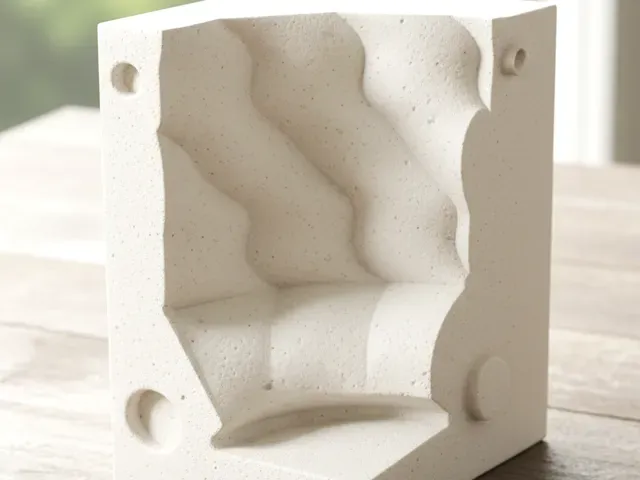
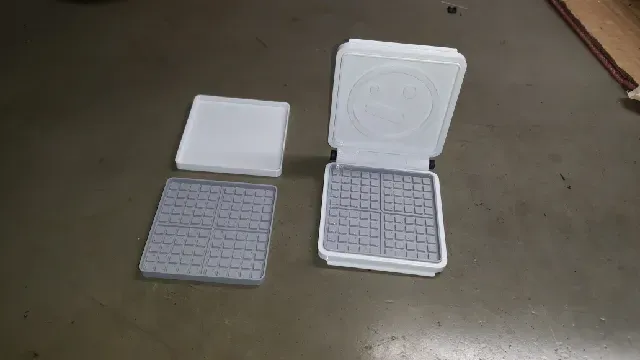
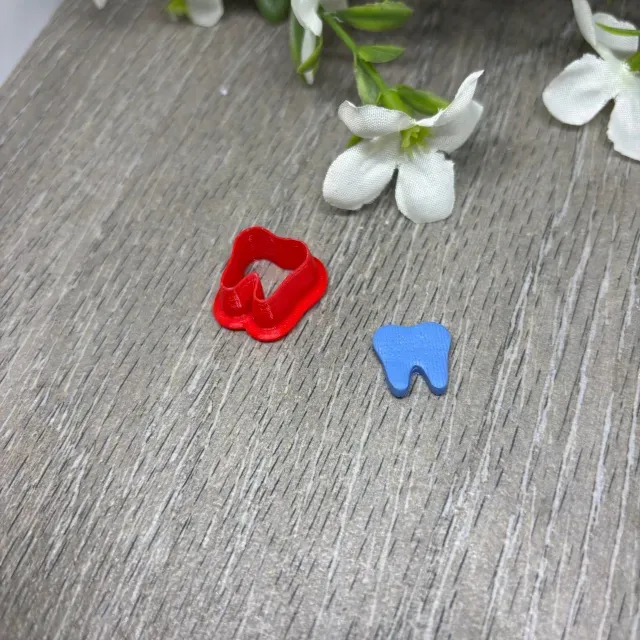
This collection gathers STL files for clay molding, from texture rollers and shape cutters to press molds and letter stamps. It helps you find repeatable forms for pottery, polymer clay work and dough. Use it to compare approaches before you open an author's model page. Polyzon does not confirm whether models are free, their price, license, official status, affiliation, safety or fitness. Check the current terms at the source.
Il testo di questa raccolta è in inglese; la ricerca funziona in qualsiasi lingua.
 Una raccolta di Polyzon · 48 modelli da 4 siti
Polyzon compone questa raccolta a partire dai risultati di ricerca dei siti collegati. I doppioni e i modelli senza anteprima vengono rimossi, le corrispondenze deboli finiscono in fondo e il resto mantiene l’ordine dei risultati. I modelli appartengono ai rispettivi autori: verifica le condizioni sulla pagina di ciascun modello.
Criteri di selezione a cura della redazione di Polyzon · Testo aggiornato: 13/10/2026


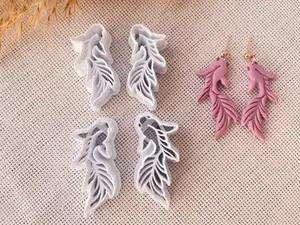
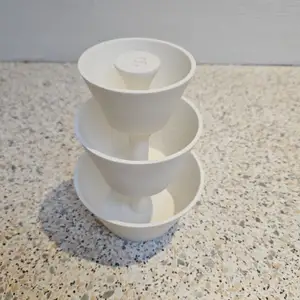


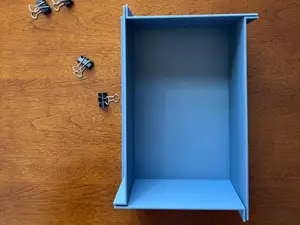
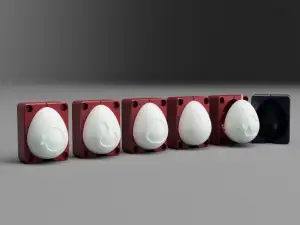

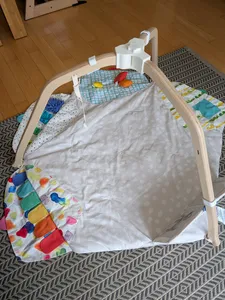
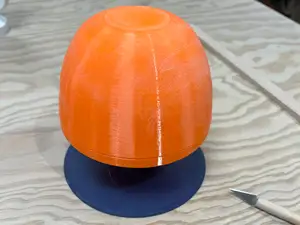
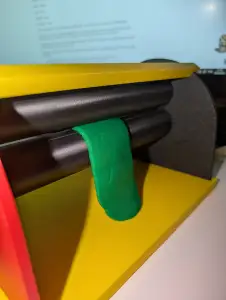


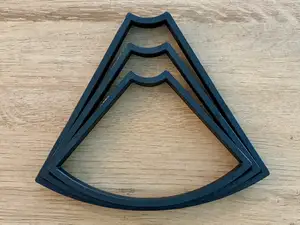
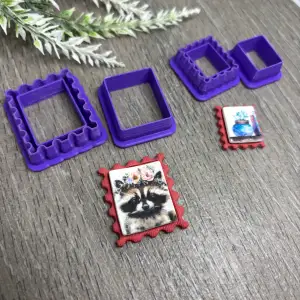

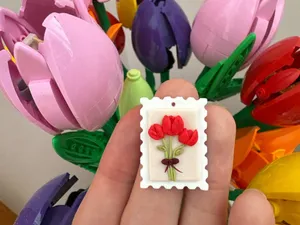
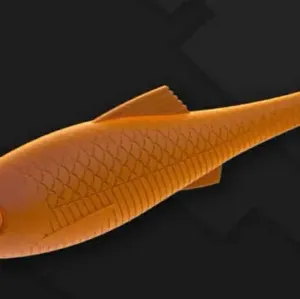

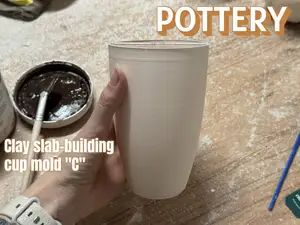
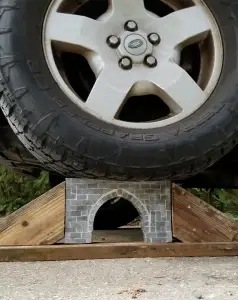

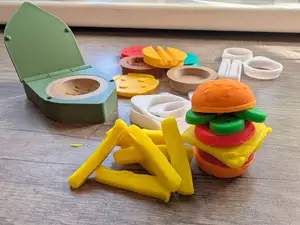
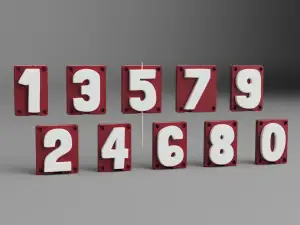

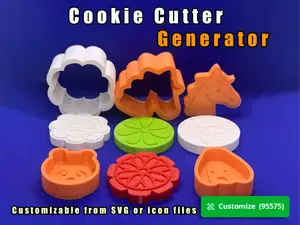
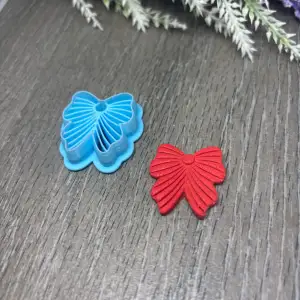

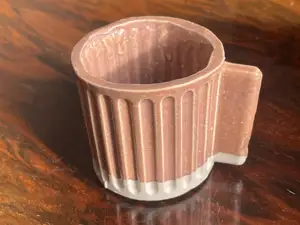
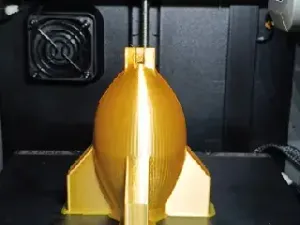

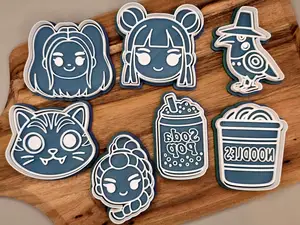
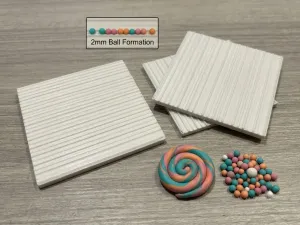

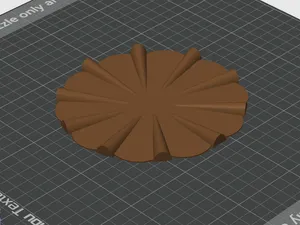
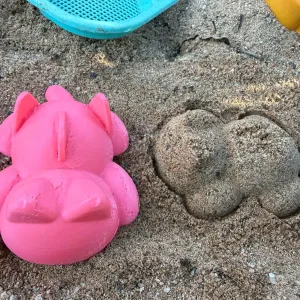

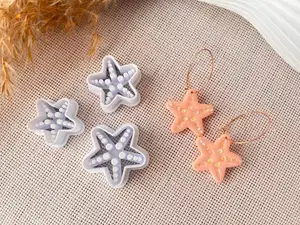
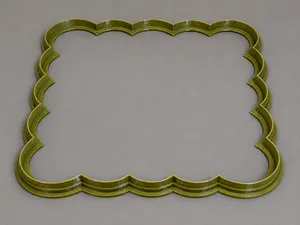
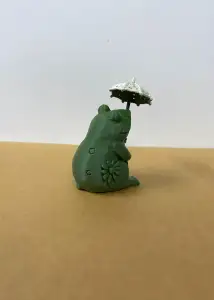

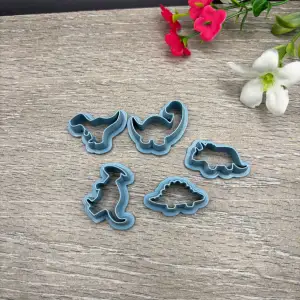

Texture rollers and patterned stamps produce surface detail, while cutters and templates define outlines and edges. Press molds and slip-cast molds form vessels or small parts in negative space, and letter or maker stamps add repeatable marks. Play-oriented presses and molding tools tend to use larger, simpler shapes for dough and sensory use.
On the author's model page, check the stated size and scale, the number of parts, and whether assembly is required. Look at the material and settings the author lists, and review photos of real prints to judge wall thickness and detail depth. For rollers and stamps, consider the pattern repeat; for molds and cutters, consider draft angles and how the clay will release.
If a search is too broad, try synonyms such as polymer clay, pottery, ceramic, dough, or modelling clay alongside mold, cutter, stamp, roller, or press. Related terms like texture sheet, embossing plate, silicone mold, or template can surface different results. Combining a tool type with a use case, such as earrings, bowls, tiles, or sensory play, narrows the list further.


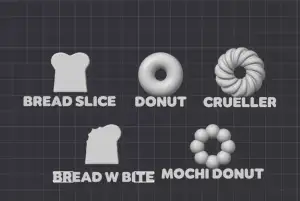


Il catalogo completo dei temi, dalla casa alla lavorazione CNC, con ricerca su tutti i siti collegati.