免费 
Texture Roller for Clay
Thingiverse
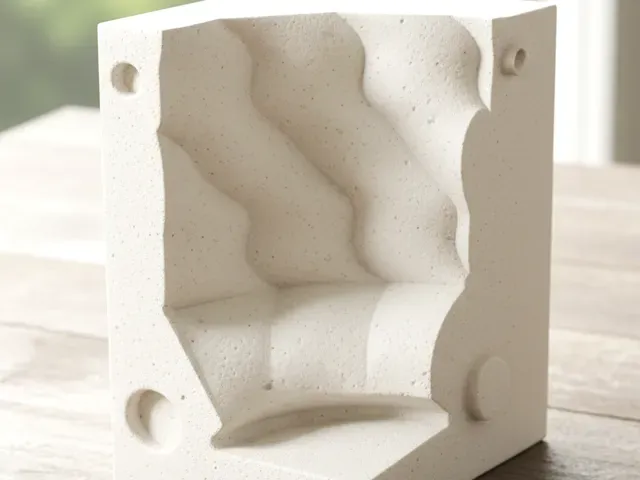
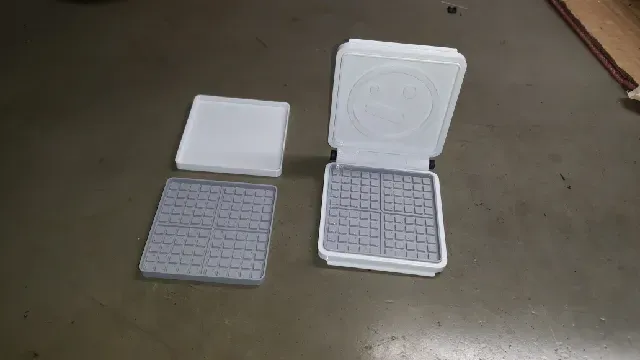
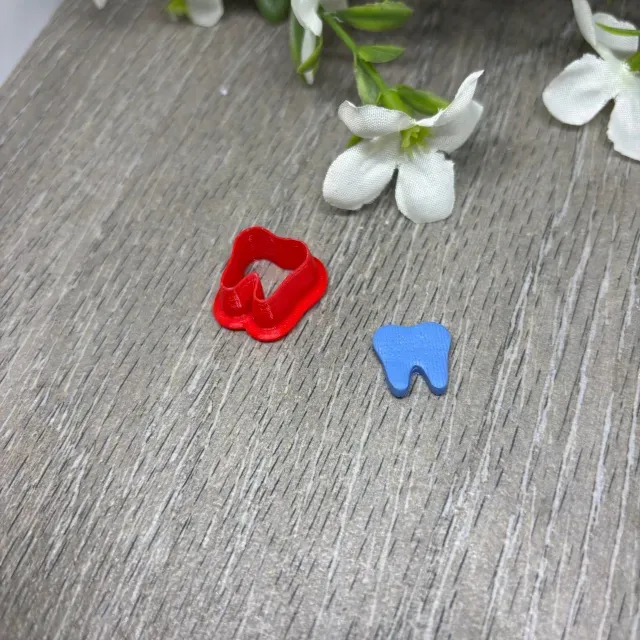
This collection gathers STL files for clay molding, from texture rollers and shape cutters to press molds and letter stamps. It helps you find repeatable forms for pottery, polymer clay work and dough. Use it to compare approaches before you open an author's model page. Polyzon does not confirm whether models are free, their price, license, official status, affiliation, safety or fitness. Check the current terms at the source.
本合集的文字为英文,搜索本身支持任何语言。
 Polyzon合集 · 48个模型 来自4个平台
此合集由Polyzon根据已接入平台的搜索结果整理而成:去除重复项和没有预览图的模型,匹配度低的排在最后,其余按搜索结果顺序排列。模型归作者所有——请在各模型页面查看使用条款。
筛选规则:Polyzon编辑部 · 文字更新于2026年10月13日


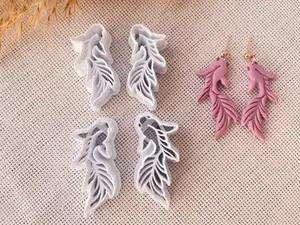
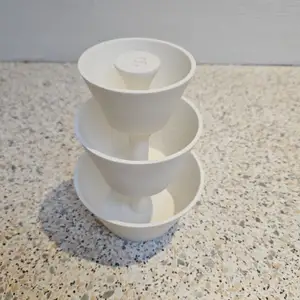


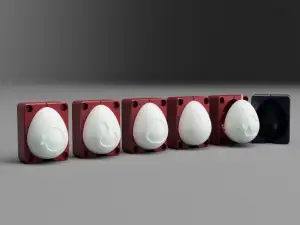

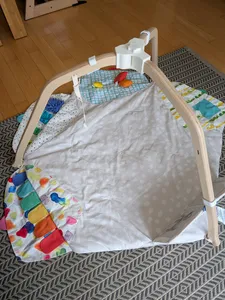
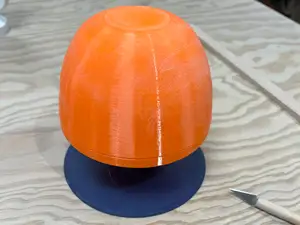
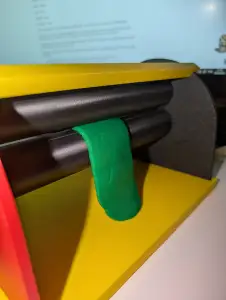


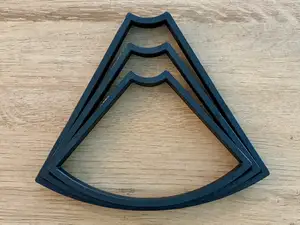
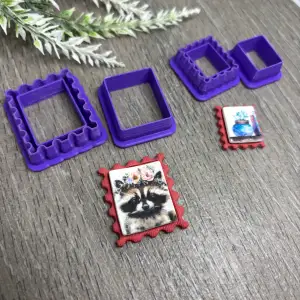

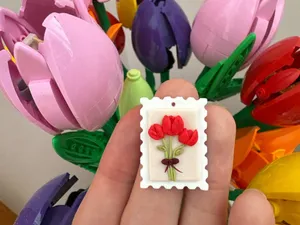
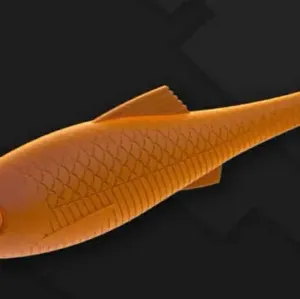

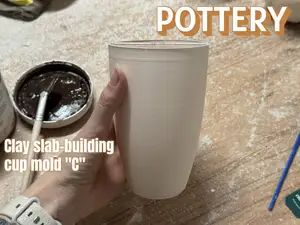
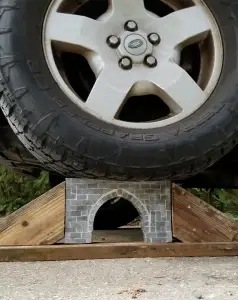

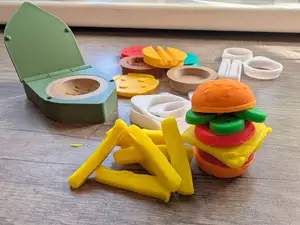
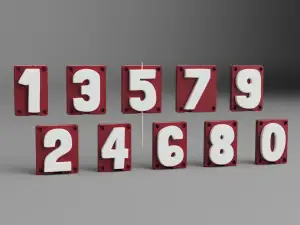

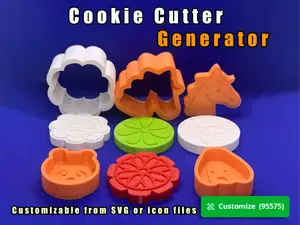
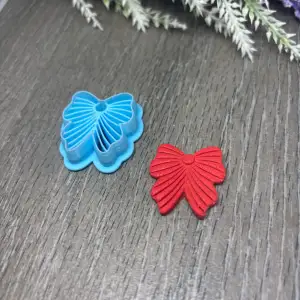

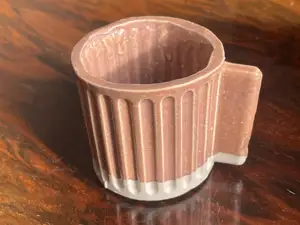
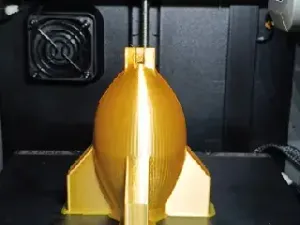

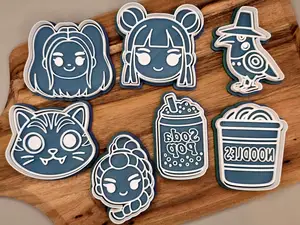
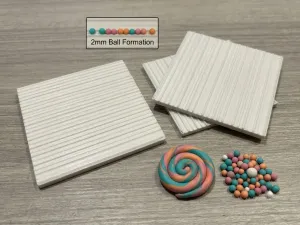

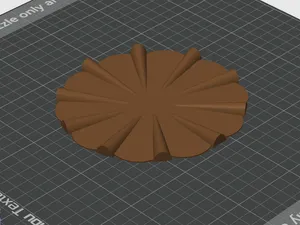
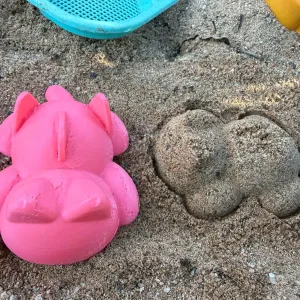

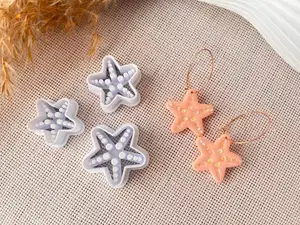
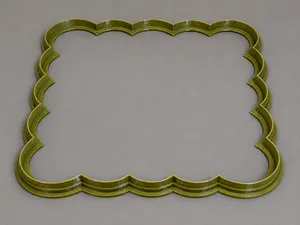
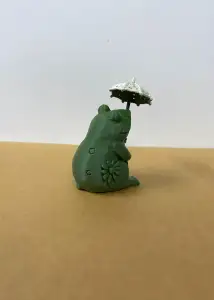

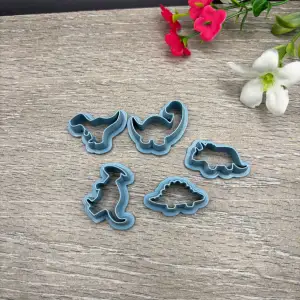

Texture rollers and patterned stamps produce surface detail, while cutters and templates define outlines and edges. Press molds and slip-cast molds form vessels or small parts in negative space, and letter or maker stamps add repeatable marks. Play-oriented presses and molding tools tend to use larger, simpler shapes for dough and sensory use.
On the author's model page, check the stated size and scale, the number of parts, and whether assembly is required. Look at the material and settings the author lists, and review photos of real prints to judge wall thickness and detail depth. For rollers and stamps, consider the pattern repeat; for molds and cutters, consider draft angles and how the clay will release.
If a search is too broad, try synonyms such as polymer clay, pottery, ceramic, dough, or modelling clay alongside mold, cutter, stamp, roller, or press. Related terms like texture sheet, embossing plate, silicone mold, or template can surface different results. Combining a tool type with a use case, such as earrings, bowls, tiles, or sensory play, narrows the list further.




完整的主题目录:从家居日用到CNC,均可在已接入的来源平台中搜索。