
Gratis 
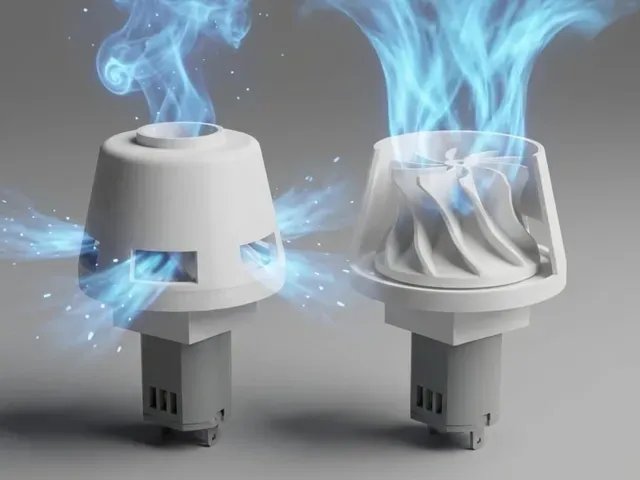
Turbine Blower, housing, and motor electric motor mount.
Thingiverse
This collection gathers 3D models of impellers, blower wheels and turbine rotors that move air around or through electric motors. The files range from small centrifugal rotors for hobby motors to larger blower assemblies with housings and mounts. It is useful when a stock fan is missing, damaged, or the airflow path has to be adapted for 3D printing. Polyzon does not confirm whether models are free, their price, license, official status, affiliation, safety or fitness. Check the current terms at the source.
Il testo di questa raccolta è in inglese; la ricerca funziona in qualsiasi lingua.
 Una raccolta di Polyzon · 48 modelli da 3 siti
Polyzon compone questa raccolta a partire dai risultati di ricerca dei siti collegati. I doppioni e i modelli senza anteprima vengono rimossi, le corrispondenze deboli finiscono in fondo e il resto mantiene l’ordine dei risultati. I modelli appartengono ai rispettivi autori: verifica le condizioni sulla pagina di ciascun modello.
Criteri di selezione a cura della redazione di Polyzon · Testo aggiornato: 14/10/2026

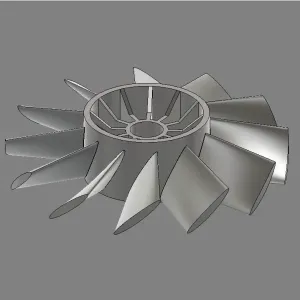

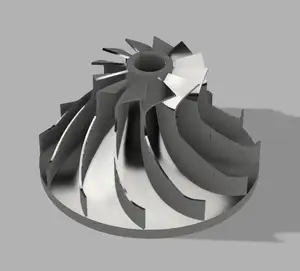
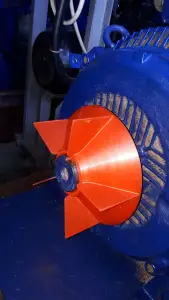

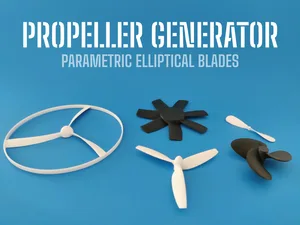
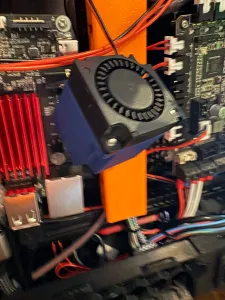


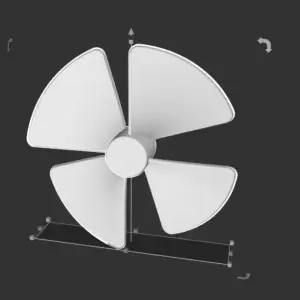

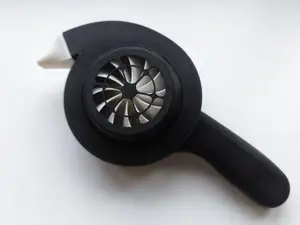
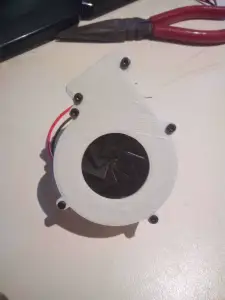

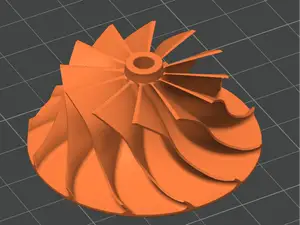
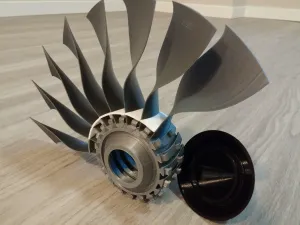

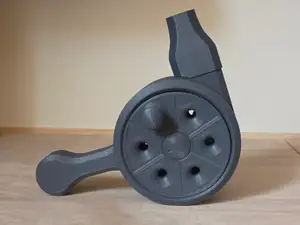
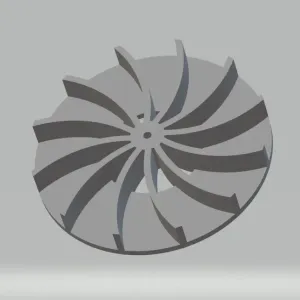

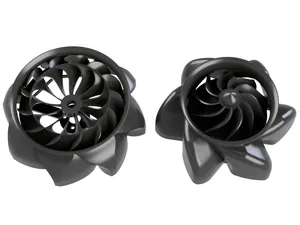
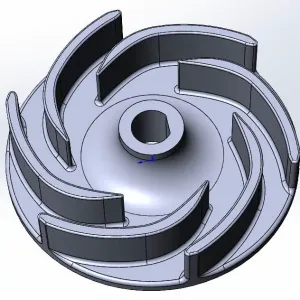

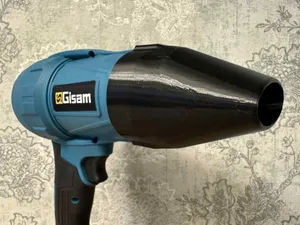
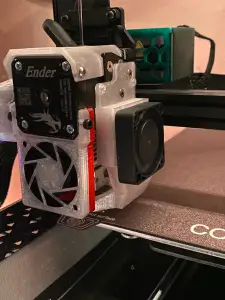

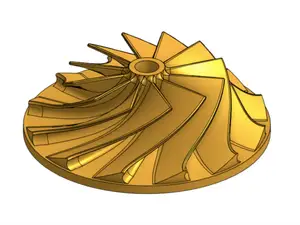



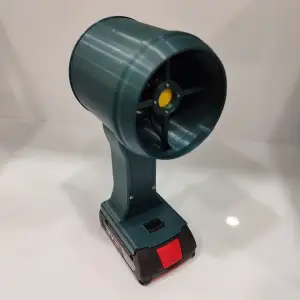

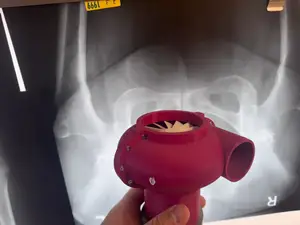
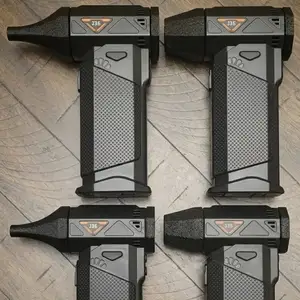

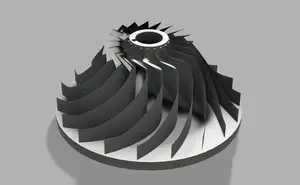
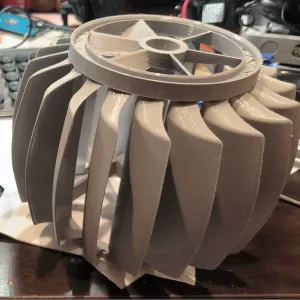

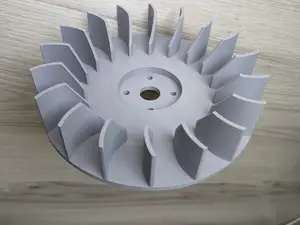
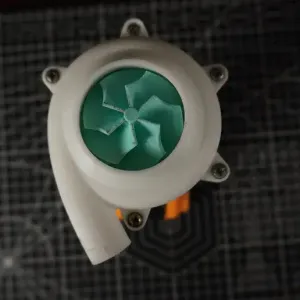

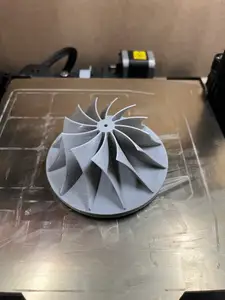
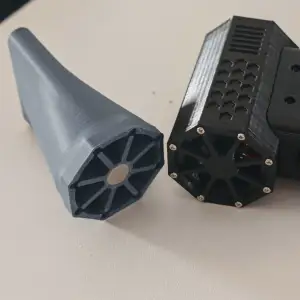
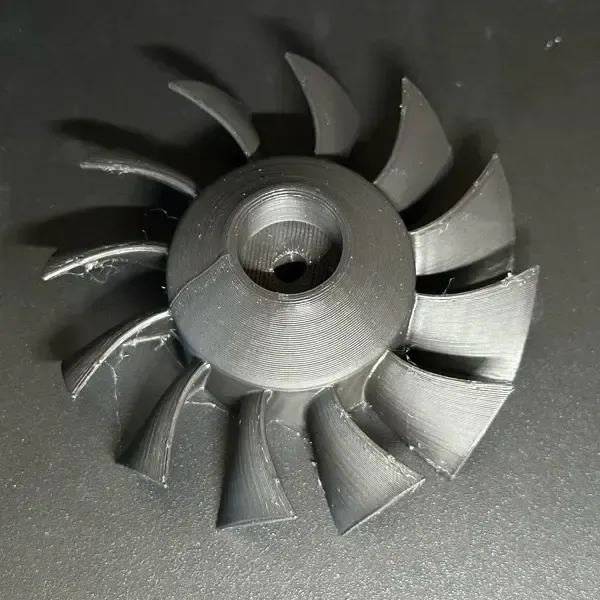
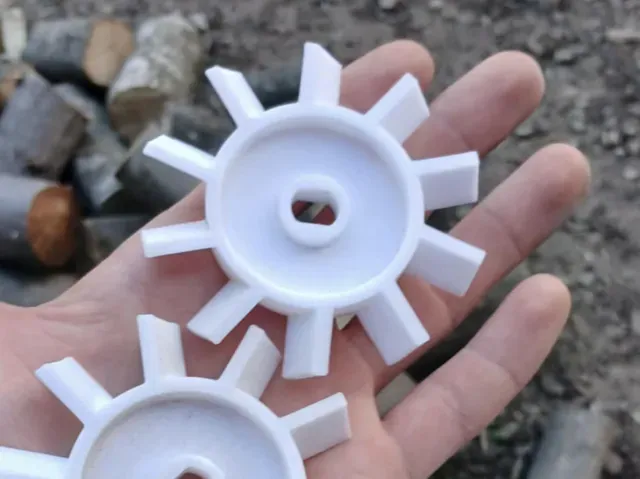
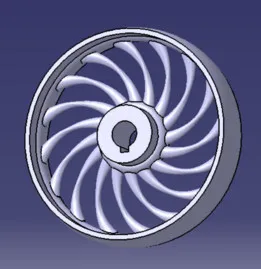
The models fall into a few practical groups. Centrifugal and radial impellers are compact rotors that push air sideways and are usually defined by shaft bore and outer diameter. Turbine blowers add a scroll housing and often a motor mount, so the rotor and the casing have to match. Ventilation wheels and backward-curved impellers are shaped for ducted airflow, while parametric files let you set blade count, diameter and hub size before exporting an STL.
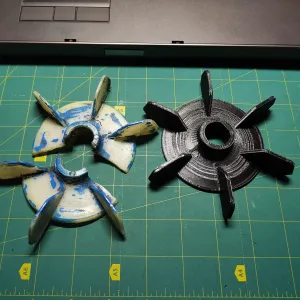
Before printing, compare the model page against your motor: shaft diameter and shape, whether a flat, D-cut or keyed shaft is assumed, hub length, and how the rotor is fixed axially. Check the clearance between the impeller and any housing, since a few tenths of a millimetre decide whether the wheel rubs. Look at the material and settings the author lists, the orientation of the blades on the build plate, and photos of real prints to judge how thin the blade tips are.
Search results widen quickly if you try other words for the same part: rotor, wheel, squirrel-cage fan, turbo impeller, propeller, or axial fan. Adding a use case such as motor cooling, duct ventilation, forge air supply or dust blowing brings up different blade profiles. Related searches for a motor mount, fan shroud or duct adapter often lead to files that pair with the impeller you already have.




Il catalogo completo dei temi, dalla casa alla lavorazione CNC, con ricerca su tutti i siti collegati.