Gratis 
Micro Drone Launcher
Thingiverse
This collection gathers 3D-printable launchers, launch pads and racks built around drones, gliders and small rockets. It covers several different jobs, from holding a racing quad steady at takeoff to firing a light projectile or releasing a hand-launched glider. Each entry links to a model page, so you can judge the geometry before committing a spool to a 3D printer. Polyzon does not confirm whether models are free, their price, license, official status, affiliation, safety or fitness. Check the current terms at the source.
Il testo di questa raccolta è in inglese; la ricerca funziona in qualsiasi lingua.
 Una raccolta di Polyzon · 47 modelli da 4 siti
Polyzon compone questa raccolta a partire dai risultati di ricerca dei siti collegati. I doppioni e i modelli senza anteprima vengono rimossi, le corrispondenze deboli finiscono in fondo e il resto mantiene l’ordine dei risultati. I modelli appartengono ai rispettivi autori: verifica le condizioni sulla pagina di ciascun modello.
Criteri di selezione a cura della redazione di Polyzon · Testo aggiornato: 15/10/2026
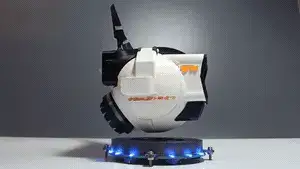


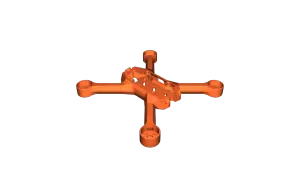


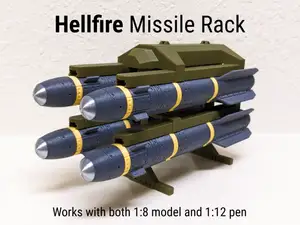
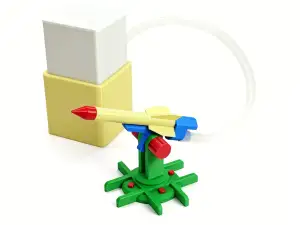



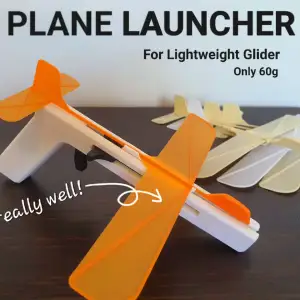

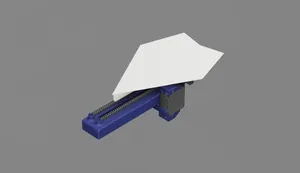
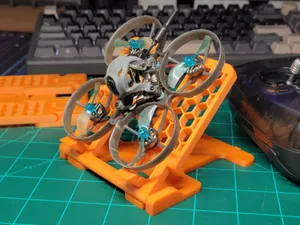
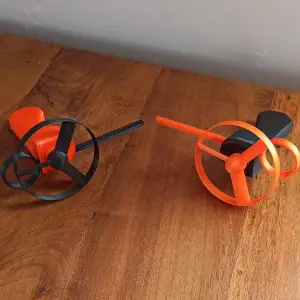


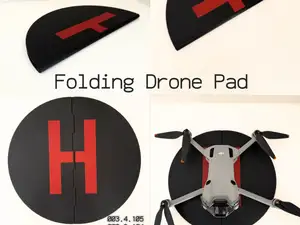
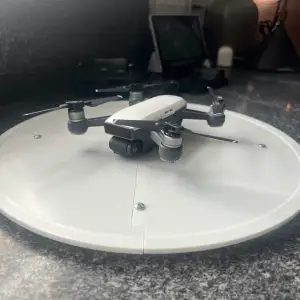

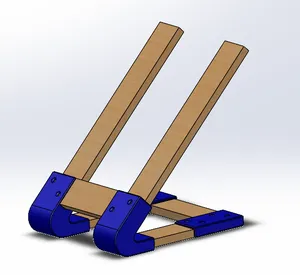
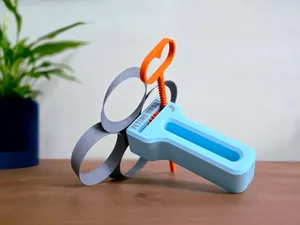
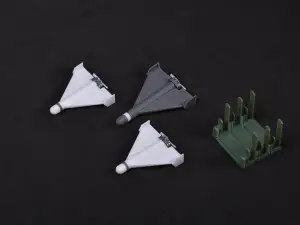


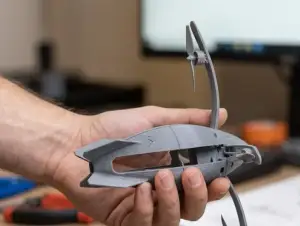
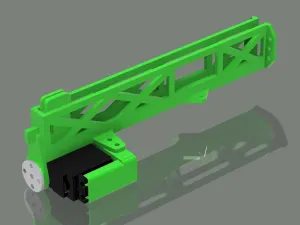

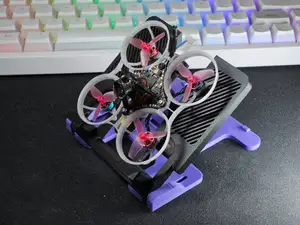
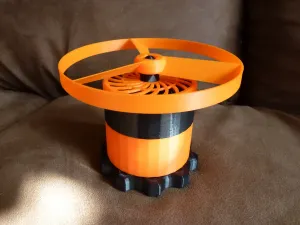


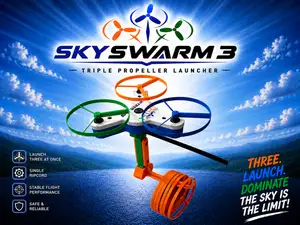
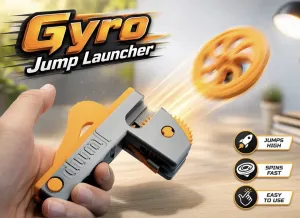


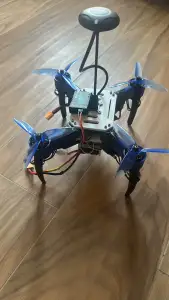

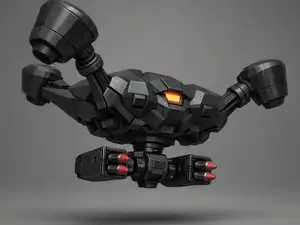
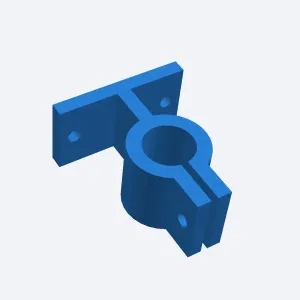

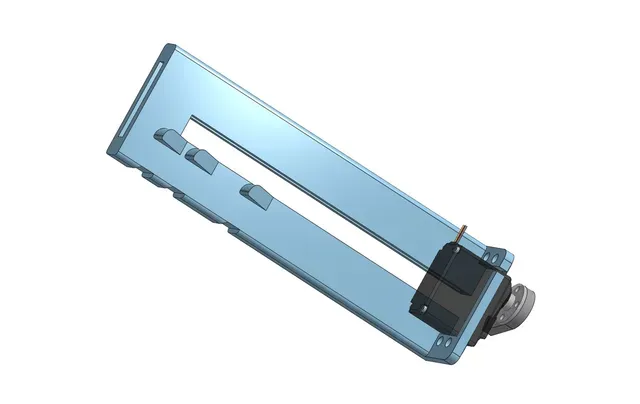
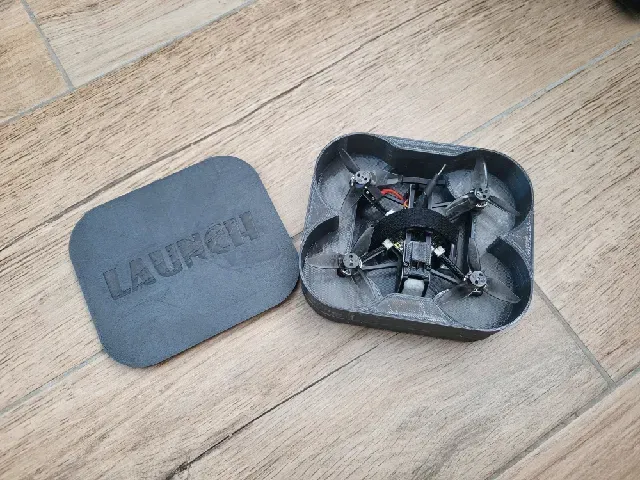
The models fall into a few groups. Launch pads and platforms are mostly flat bases with guides, clips or a raised cradle that keeps a drone level and clear of the ground during spin-up. Micro launchers use a spring, elastic or a puff of air to throw a small quad or a lightweight glider, and they tend to be the most mechanical of the set. Competition launchers made for robotics matches follow the game's field rules and often include brackets and mounting holes rather than a standalone base.
What separates them is how the force is stored and released. Elastic and spring designs are simple to assemble but need the right tension; pneumatic and air-powered ones add a chamber, a valve or a piston, which means more parts and tighter tolerances. Racks and mounts that attach to a drone or a frame add weight and change balance, so the mounting interface matters as much as the launcher itself.
Before printing, read the author's page for overall size and scale, the number of parts and how they join, whether supports are needed, and the material and settings the author lists. Layer orientation matters on parts that flex or take a load, so check which way the model is meant to sit on the plate. Photos of real prints show how the assembly actually fits together. If you want more results, try related terms such as launch pad, catapult, rack, mount, glider release, air-powered, or search by the drone size class you fly.



Il catalogo completo dei temi, dalla casa alla lavorazione CNC, con ricerca su tutti i siti collegati.