免费 
Micro Drone Launcher
Thingiverse
This collection gathers 3D-printable launchers, launch pads and racks built around drones, gliders and small rockets. It covers several different jobs, from holding a racing quad steady at takeoff to firing a light projectile or releasing a hand-launched glider. Each entry links to a model page, so you can judge the geometry before committing a spool to a 3D printer. Polyzon does not confirm whether models are free, their price, license, official status, affiliation, safety or fitness. Check the current terms at the source.
本合集的文字为英文,搜索本身支持任何语言。
 Polyzon合集 · 47个模型 来自4个平台
此合集由Polyzon根据已接入平台的搜索结果整理而成:去除重复项和没有预览图的模型,匹配度低的排在最后,其余按搜索结果顺序排列。模型归作者所有——请在各模型页面查看使用条款。
筛选规则:Polyzon编辑部 · 文字更新于2026年10月15日
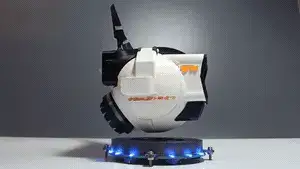


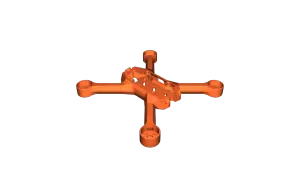


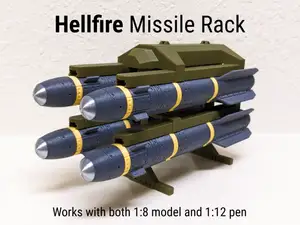
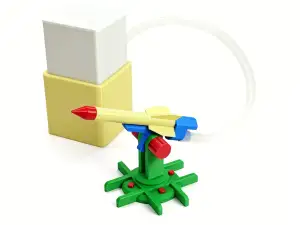



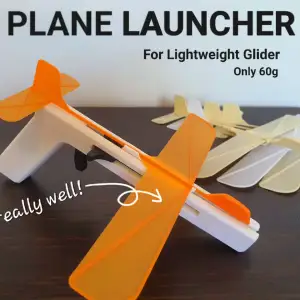

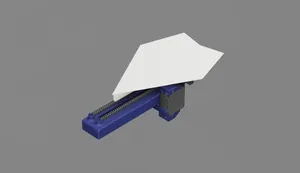
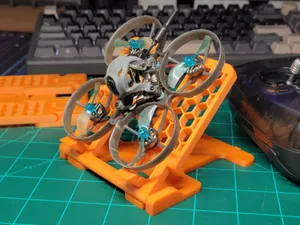
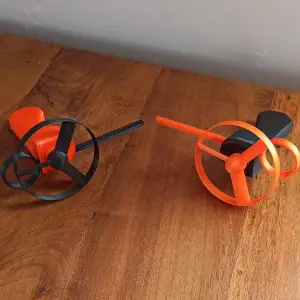


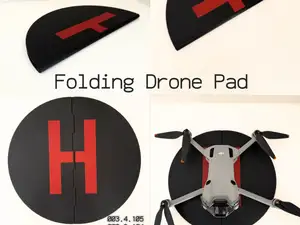
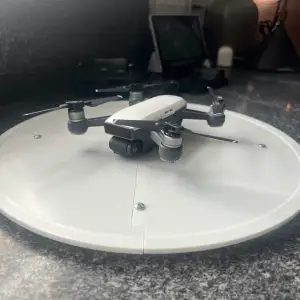

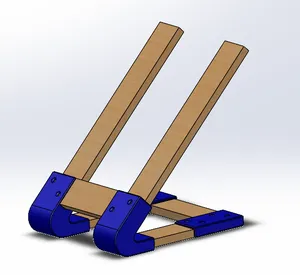
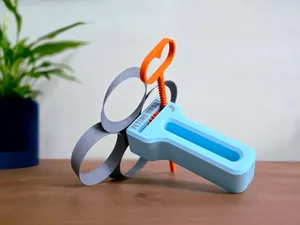
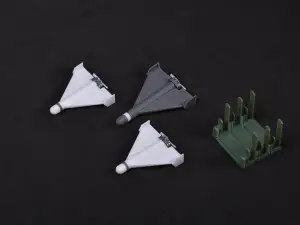


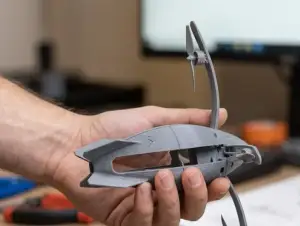
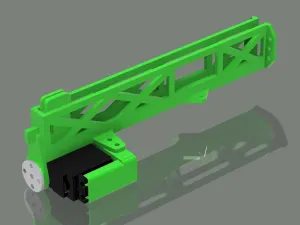

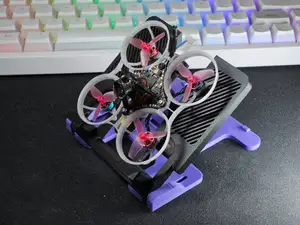
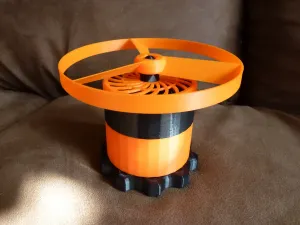


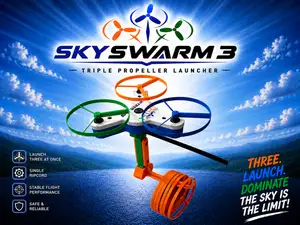
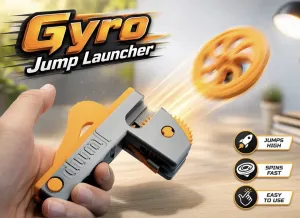


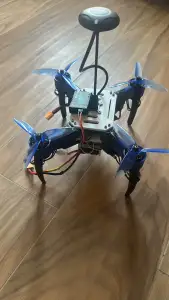

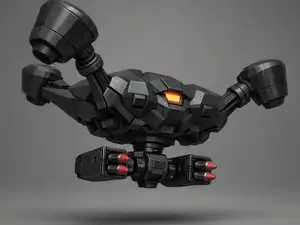
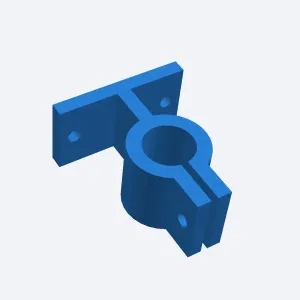

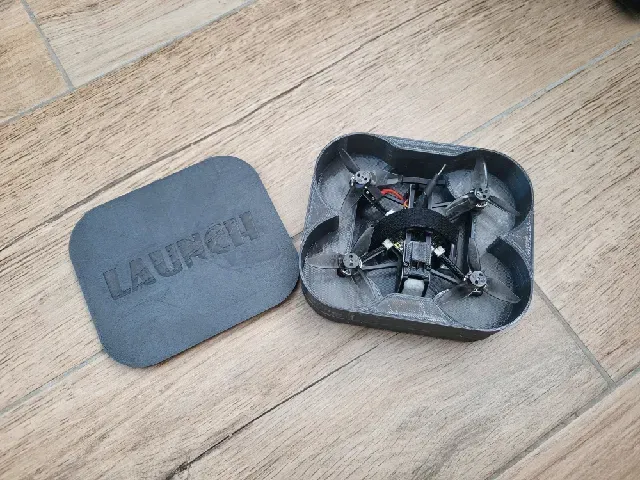
The models fall into a few groups. Launch pads and platforms are mostly flat bases with guides, clips or a raised cradle that keeps a drone level and clear of the ground during spin-up. Micro launchers use a spring, elastic or a puff of air to throw a small quad or a lightweight glider, and they tend to be the most mechanical of the set. Competition launchers made for robotics matches follow the game's field rules and often include brackets and mounting holes rather than a standalone base.
What separates them is how the force is stored and released. Elastic and spring designs are simple to assemble but need the right tension; pneumatic and air-powered ones add a chamber, a valve or a piston, which means more parts and tighter tolerances. Racks and mounts that attach to a drone or a frame add weight and change balance, so the mounting interface matters as much as the launcher itself.
Before printing, read the author's page for overall size and scale, the number of parts and how they join, whether supports are needed, and the material and settings the author lists. Layer orientation matters on parts that flex or take a load, so check which way the model is meant to sit on the plate. Photos of real prints show how the assembly actually fits together. If you want more results, try related terms such as launch pad, catapult, rack, mount, glider release, air-powered, or search by the drone size class you fly.



完整的主题目录:从家居日用到CNC,均可在已接入的来源平台中搜索。