Gratis 
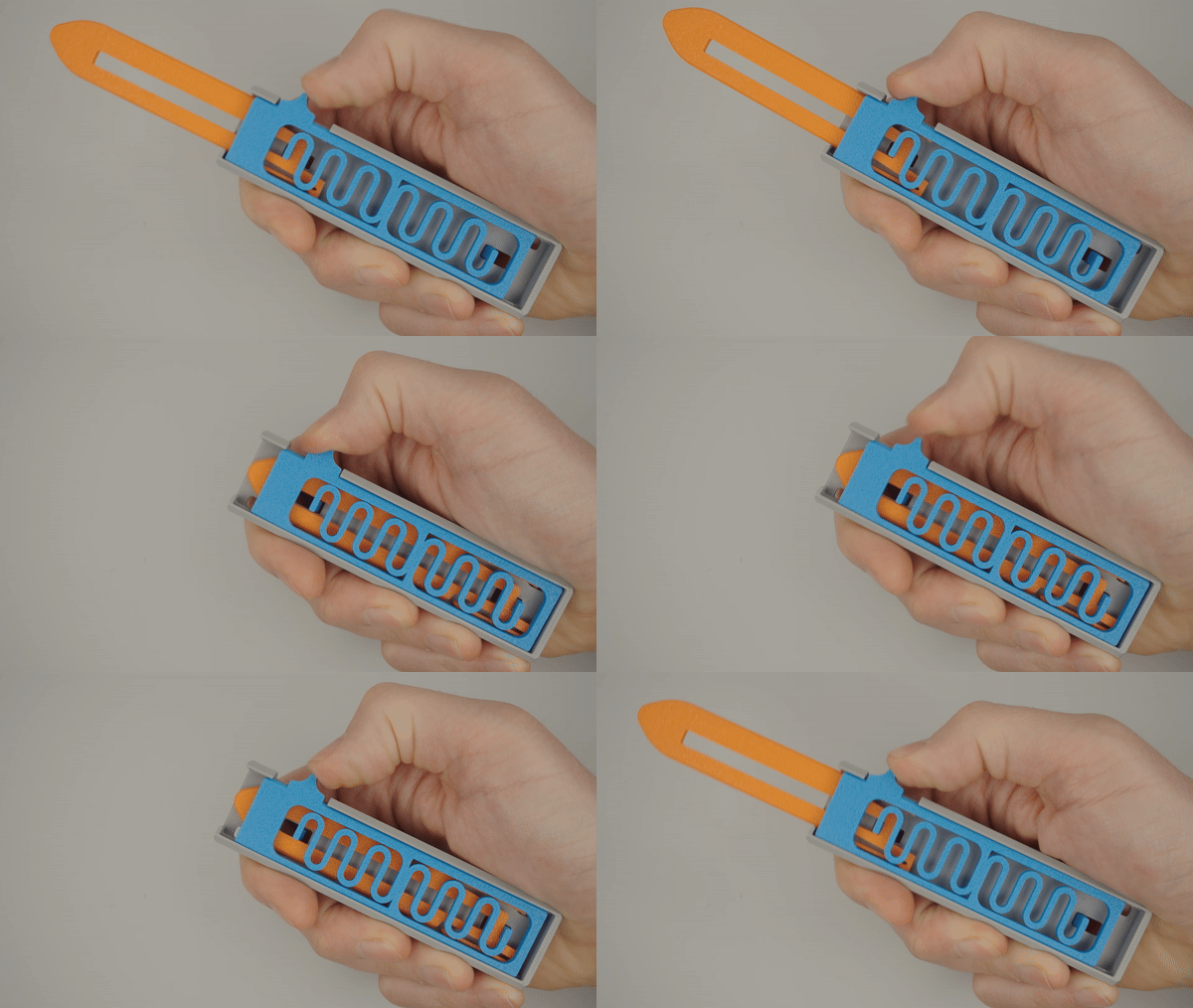
OTF Fidget Knife - only 3 Parts
Thingiverse
This collection gathers knife designs that are split into separate parts, from folding and gravity mechanisms to fixed utility blades and multi-part combat builds. It helps you compare how each model is assembled before you send an STL to a 3D printer. Some files focus on a few printed components, while others include handles, sheaths and display stands. Polyzon does not confirm whether models are free, their price, license, official status, affiliation, safety or fitness. Check the current terms at the source.
Il testo di questa raccolta è in inglese; la ricerca funziona in qualsiasi lingua.
 Una raccolta di Polyzon · 47 modelli da 4 siti
Polyzon compone questa raccolta a partire dai risultati di ricerca dei siti collegati. I doppioni e i modelli senza anteprima vengono rimossi, le corrispondenze deboli finiscono in fondo e il resto mantiene l’ordine dei risultati. I modelli appartengono ai rispettivi autori: verifica le condizioni sulla pagina di ciascun modello.
Criteri di selezione a cura della redazione di Polyzon · Testo aggiornato: 13/10/2026
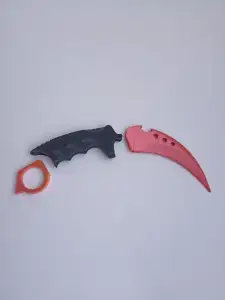


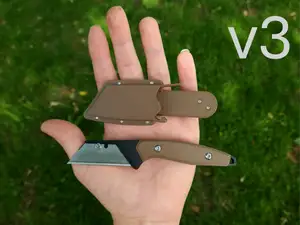
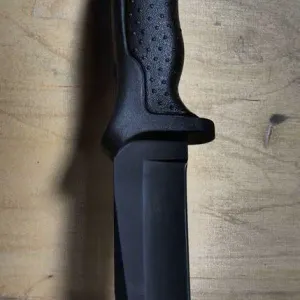

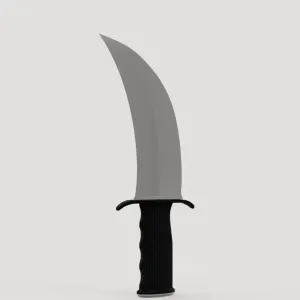


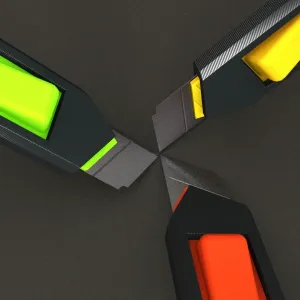

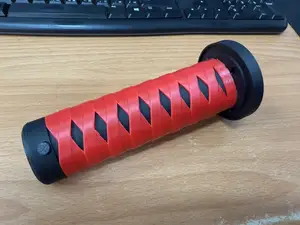
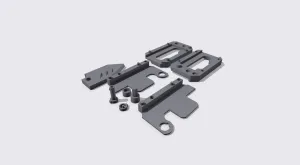

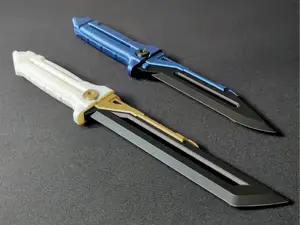
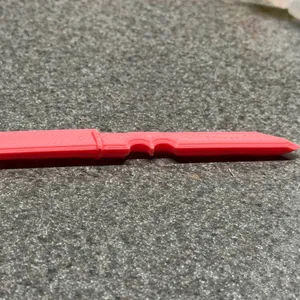

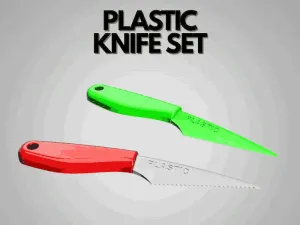

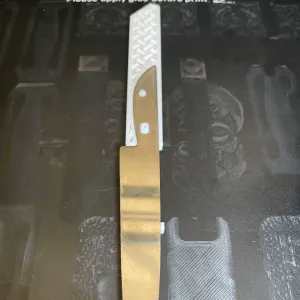

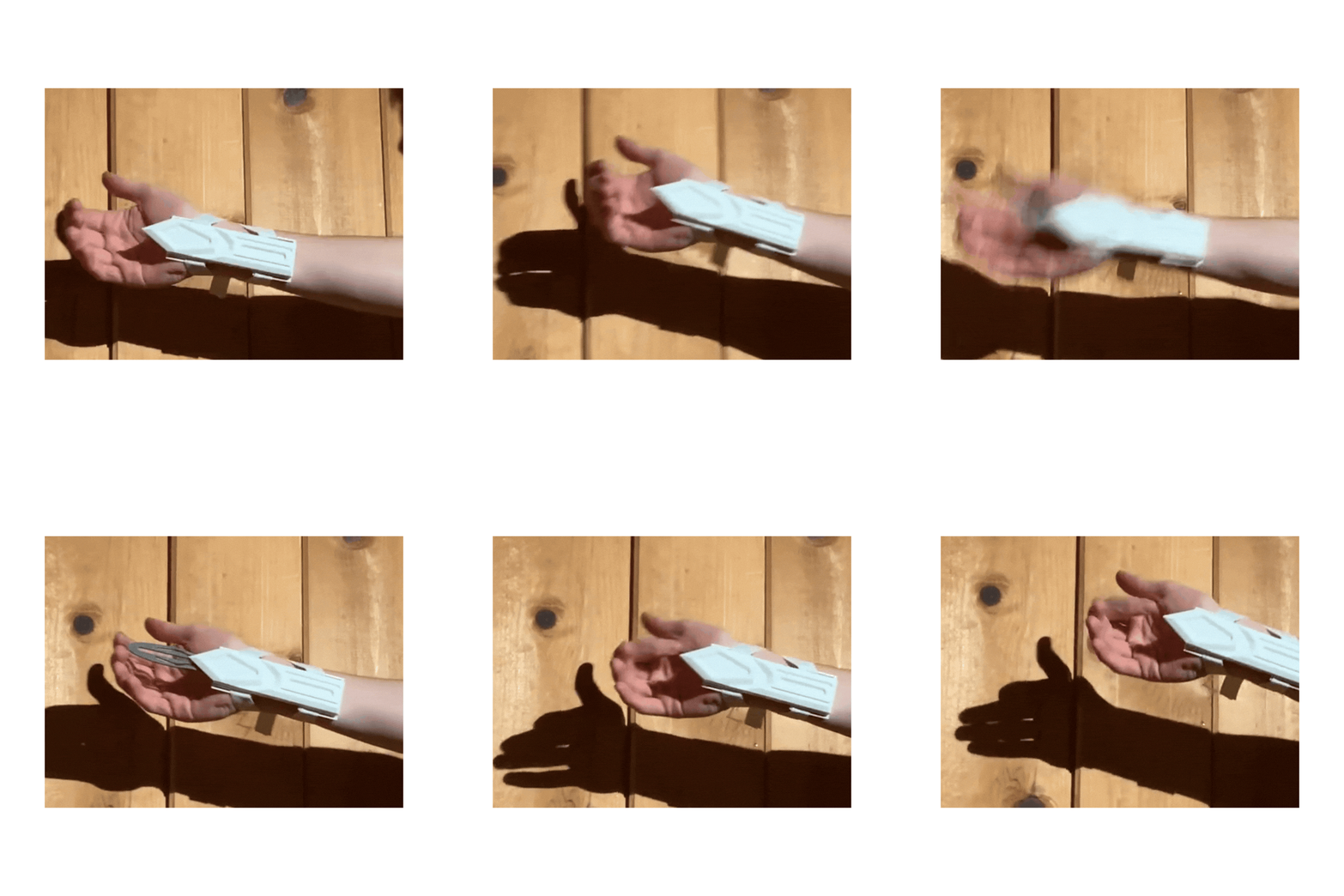
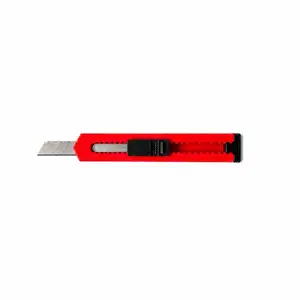

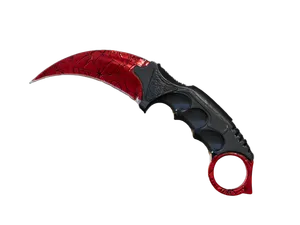
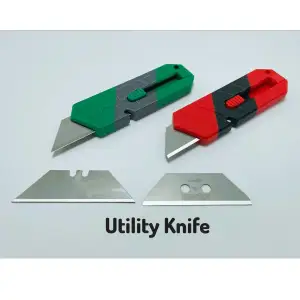

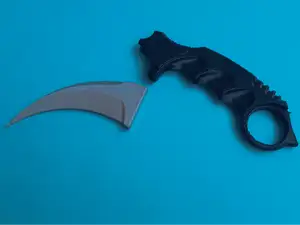
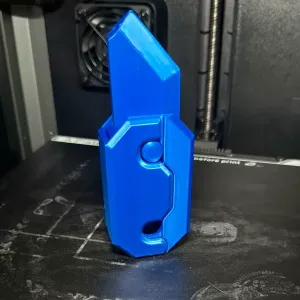

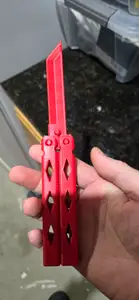
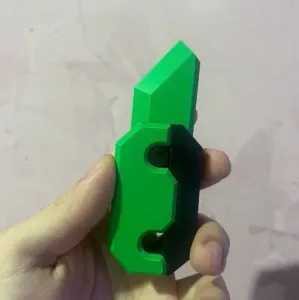

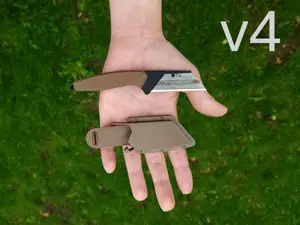
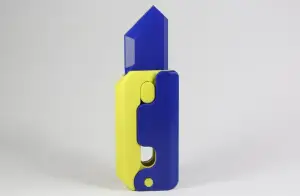

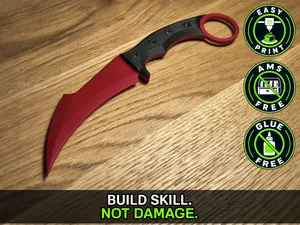
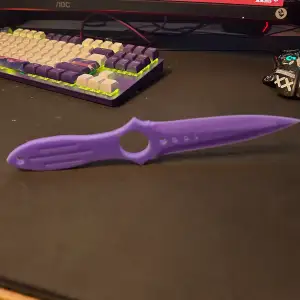


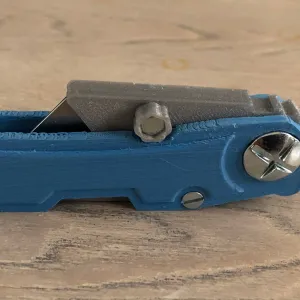

Folding and gravity styles often rely on printed pivots, pins or sliding channels, so their part count and clearances matter more than surface detail. Fixed utility knives usually separate into blade, handle scales and a sheath, which changes how you orient each piece on the build plate. Multi-part combat or display knives may include removable sections, stands or extra blades, making assembly a larger part of the project.
On the author’s model page, check the listed size and scale, the number of separate parts, and whether supports are needed for overhangs. Look at the material and settings the author mentions, then compare those notes with photos of real prints to judge how the parts fit together. If the design uses moving joints, pay attention to tolerances and the direction each piece should be oriented.
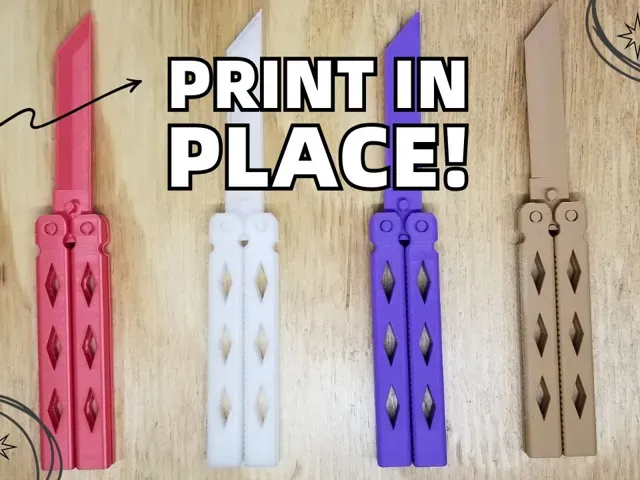
To narrow the results, try related terms such as folding knife, balisong, gravity knife, utility blade, sheath, handle scales or segmented blade. You can also search by mechanism, part count or assembly style, and combine those words with 3D printing or STL. If you want a simpler build, look for models described as print-in-place or few-part, and review the part list before downloading.



Il catalogo completo dei temi, dalla casa alla lavorazione CNC, con ricerca su tutti i siti collegati.