Gratis 
Rolling Roller
GrabCAD
The collection covers rolling pins, texture rollers, and roller-based mechanisms shared as STL files. You can find models for dough, clay, paper, and workshop tasks. It helps you compare shapes, sizes, and assembly needs before opening a model page. Polyzon does not confirm whether models are free, their price, license, official status, affiliation, safety or fitness. Check the current terms at the source.
Il testo di questa raccolta è in inglese; la ricerca funziona in qualsiasi lingua.
 Una raccolta di Polyzon · 45 modelli da 8 siti
Polyzon compone questa raccolta a partire dai risultati di ricerca dei siti collegati. I doppioni e i modelli senza anteprima vengono rimossi, le corrispondenze deboli finiscono in fondo e il resto mantiene l’ordine dei risultati. I modelli appartengono ai rispettivi autori: verifica le condizioni sulla pagina di ciascun modello.
Criteri di selezione a cura della redazione di Polyzon · Testo aggiornato: 13/10/2026
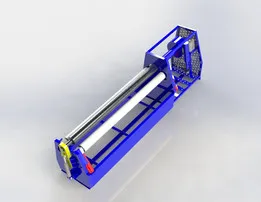
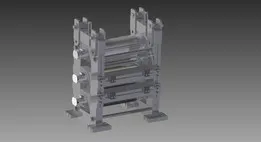
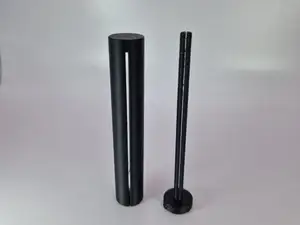

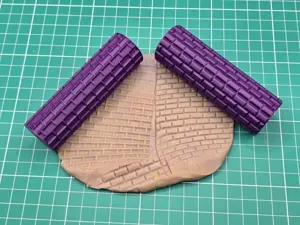


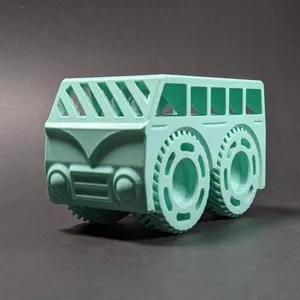
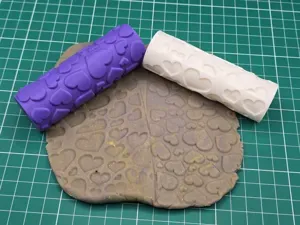
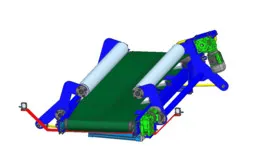

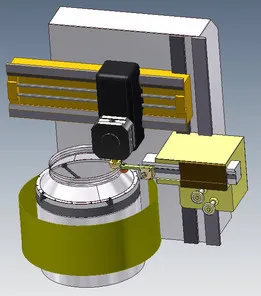
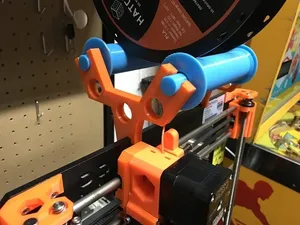
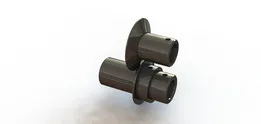
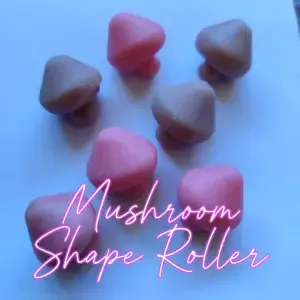
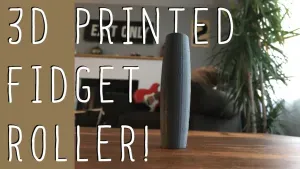
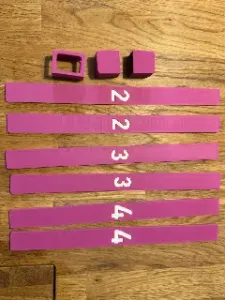
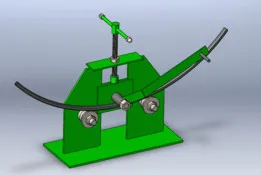



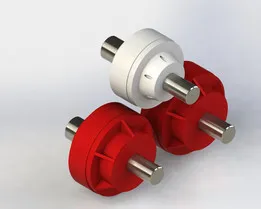
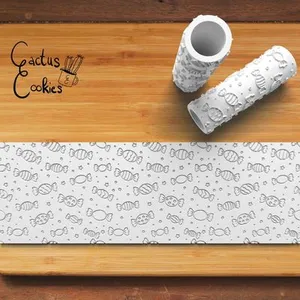
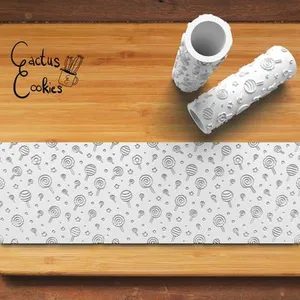
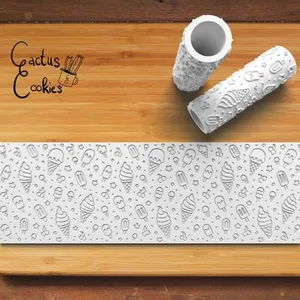
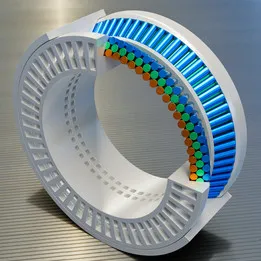
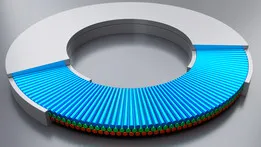

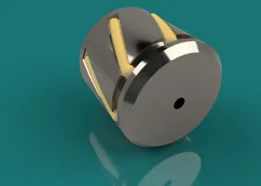
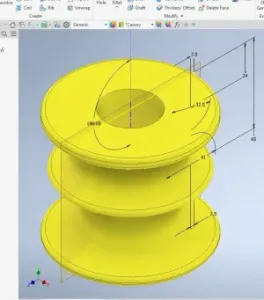
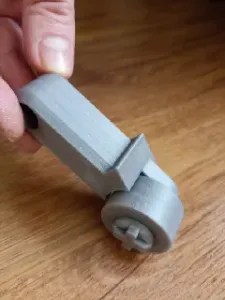
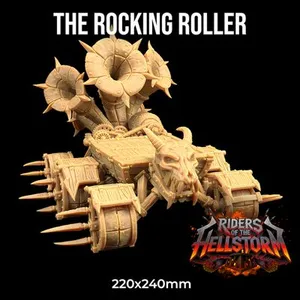


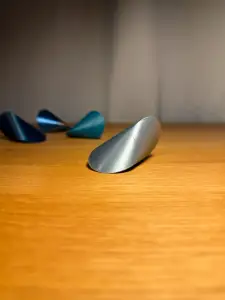
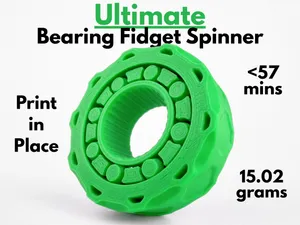
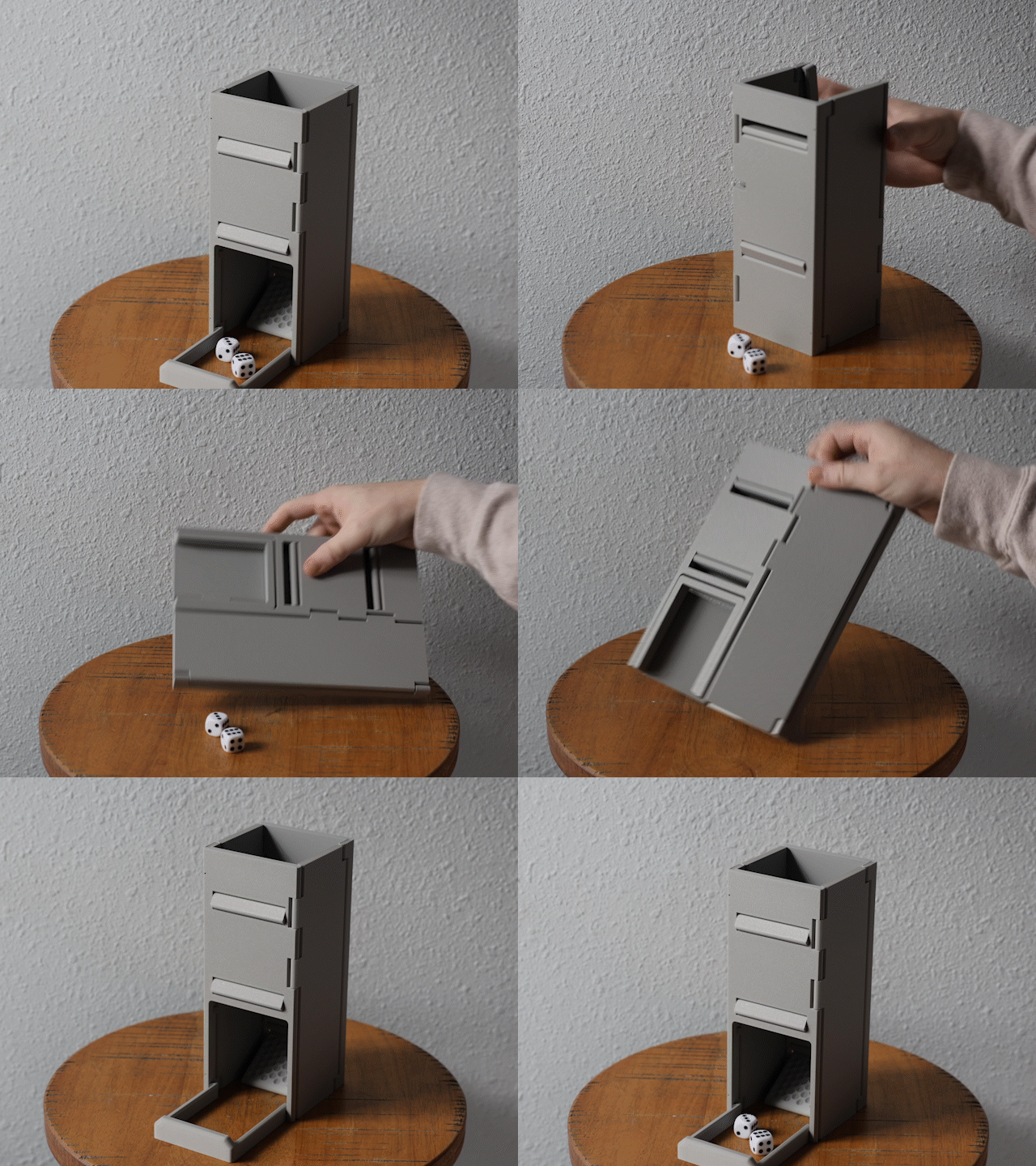

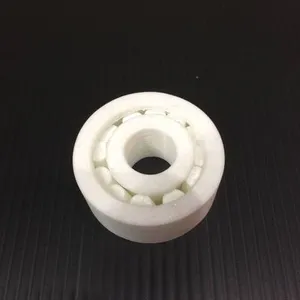
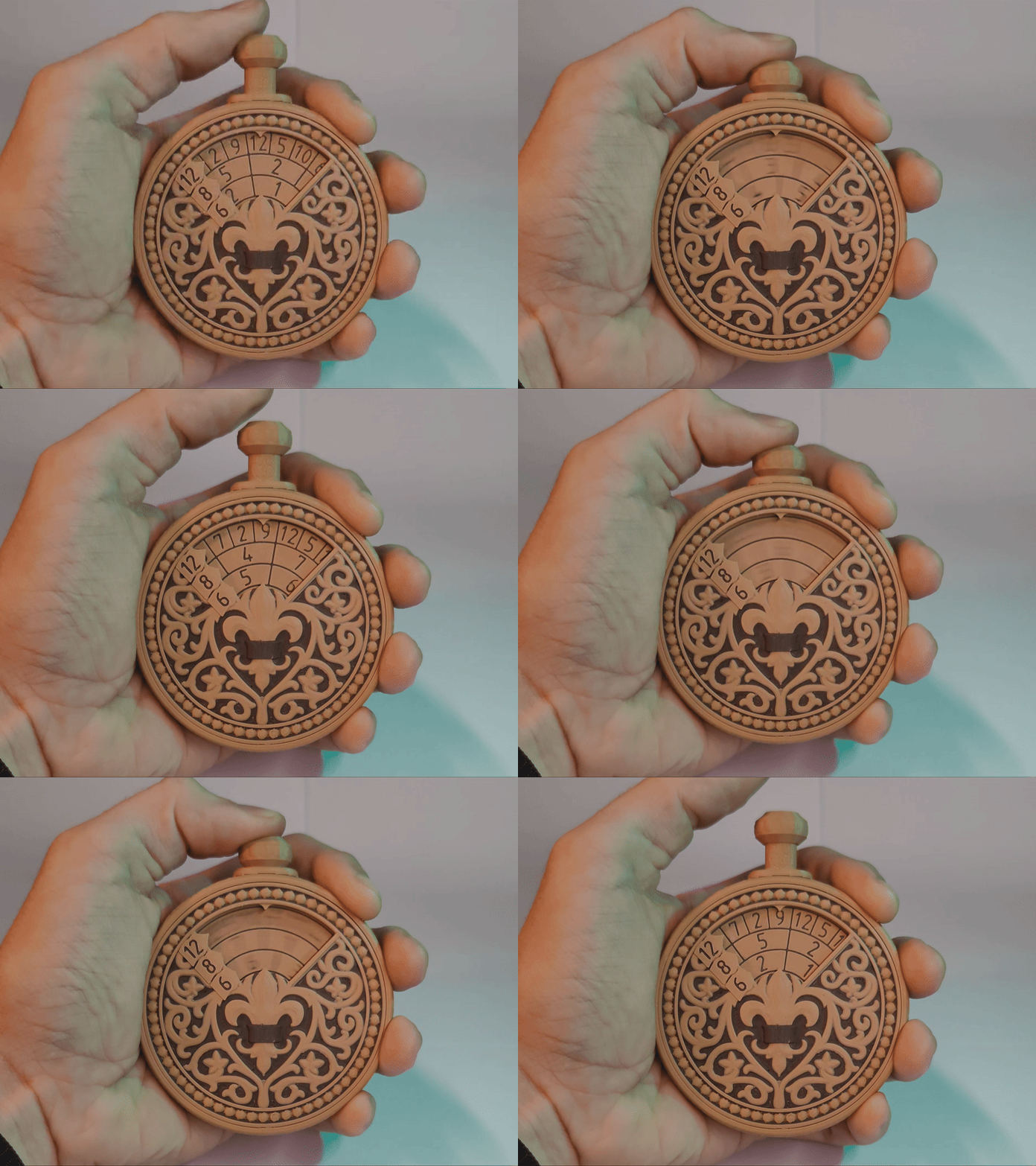

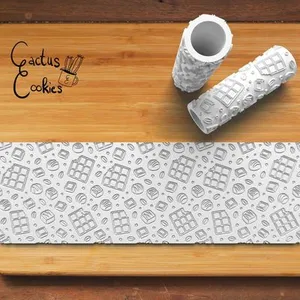
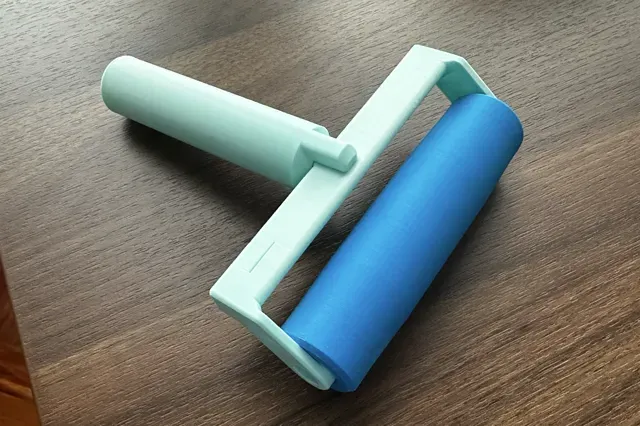
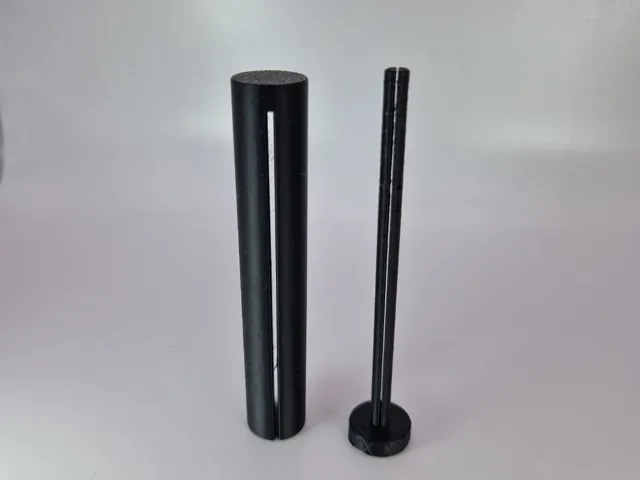
Rolling pins and dough rollers usually have a simple cylinder with handles, while texture rollers add a patterned surface for clay or fondant. Multi-roller machines and mills use several cylinders and often include frames, gears, or adjustment parts. Bead rollers and sensory rollers focus on repeated grooves or shapes, and cigarette rollers combine a small channel with a rolling mechanism.
When choosing a model, check the listed dimensions, wall thickness, and number of parts, since large rollers may need to be printed in sections. Look at whether the author shows supports, layer height, material, and real photos of the printed object. For moving parts, review the clearances and how axles or handles are joined.
To refine the search, try synonyms such as rolling pin, texture roller, dough roller, clay roller, bead roller, and rolling mill. Related terms like embossing roller, pattern roller, or pasta roller can lead to other useful results. You can also combine a material or task with the roller type, for example clay texture roller or dough rolling pin.




Il catalogo completo dei temi, dalla casa alla lavorazione CNC, con ricerca su tutti i siti collegati.