
Gratis 
Разборная катана с отдельным лезвием и заглушкой
Cults3D
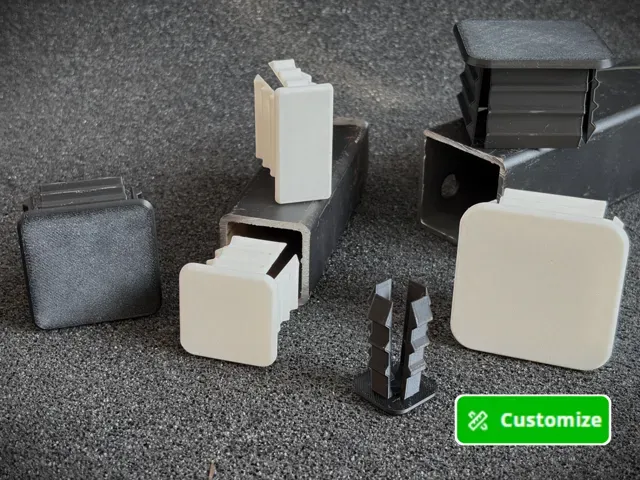
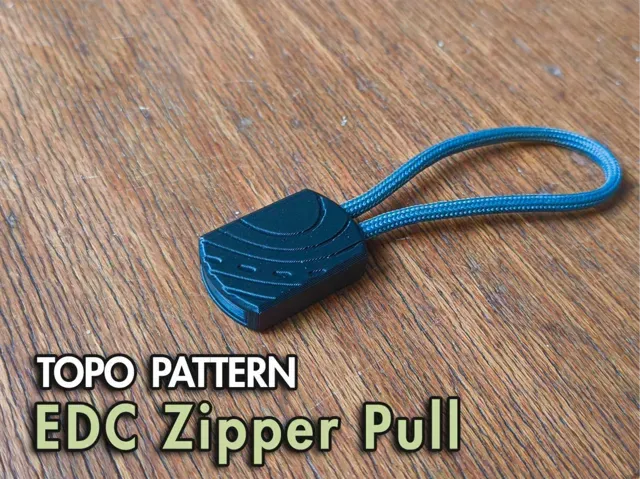
This collection covers 3D models of end caps: closures for aluminium extrusions, tube and pipe plugs, handlebar inserts, cord stoppers and small machine parts. Most of them are simple shapes, so they are a practical first project for anyone learning 3D printing. The variety comes from the profiles and diameters they are drawn around, not from the geometry itself. Polyzon does not confirm whether models are free, their price, license, official status, affiliation, safety or fitness. Check the current terms at the source.
Il testo di questa raccolta è in inglese; la ricerca funziona in qualsiasi lingua.
 Una raccolta di Polyzon · 48 modelli da 6 siti
Polyzon compone questa raccolta a partire dai risultati di ricerca dei siti collegati. I doppioni e i modelli senza anteprima vengono rimossi, le corrispondenze deboli finiscono in fondo e il resto mantiene l’ordine dei risultati. I modelli appartengono ai rispettivi autori: verifica le condizioni sulla pagina di ciascun modello.
Criteri di selezione a cura della redazione di Polyzon · Testo aggiornato: 14/10/2026


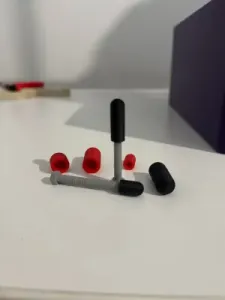
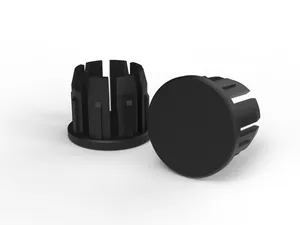
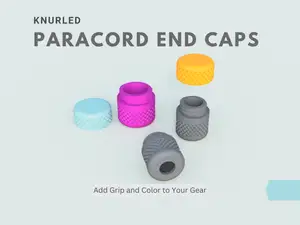

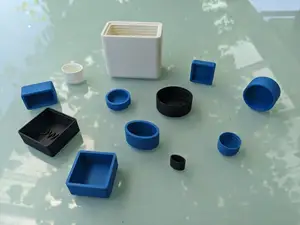


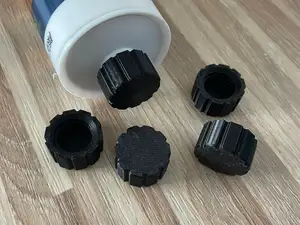


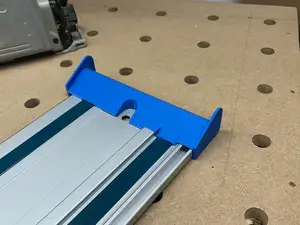



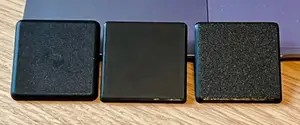
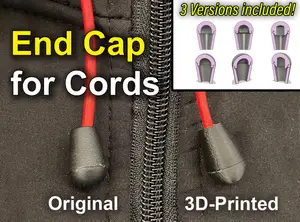

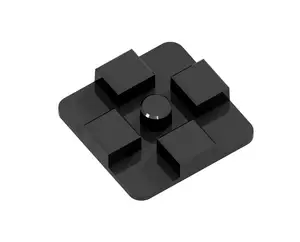
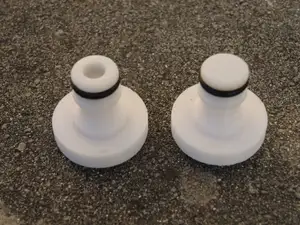
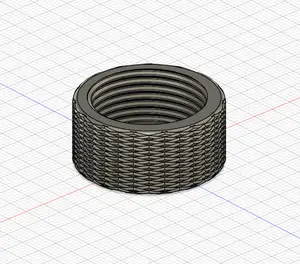




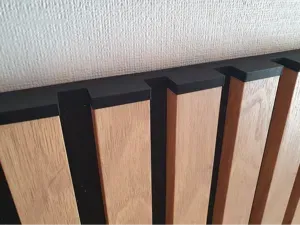
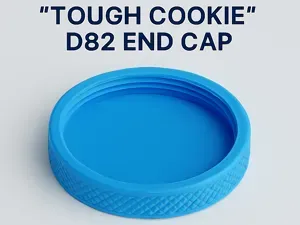
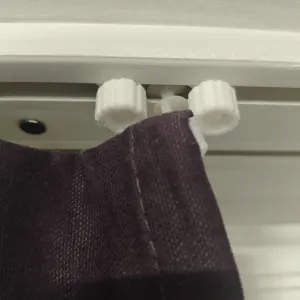
The models fall into a few groups. Extrusion caps are shaped around standard profile sizes and slot types, and they usually push into the profile opening or sit over its end. Tube and hose closures are round, sometimes drawn for flexible tubing, while handlebar plugs and cord stoppers are small parts with a lip, a barb or a hole for a screw or cord. Machine-related caps, such as guide rail covers or thread protectors, follow the dimensions of a specific tool or thread rather than a generic profile.
Before printing, compare the inner and outer dimensions on the model page with the part you want to cover, and note the wall thickness and the slot shape if the cap is meant for an extrusion. Check how the author oriented the model, whether supports are needed for overhangs or internal barbs, and which material and settings are listed. A rigid filament holds a press fit better, while a flexible one can help where the cap has to slip over a tube or grip a cord. Photos of real prints show how the edges and the surface come out.
Search results improve when you describe the part instead of the object. Try plug, closure, stopper, bung, insert or cover alongside end cap, and add the profile size, tube diameter or thread where you know it. Related searches include extrusion, V-slot, guide rail, handlebar, paracord and thread protector; combining one of those with a dimension usually narrows the list faster than browsing.
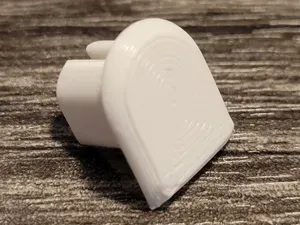

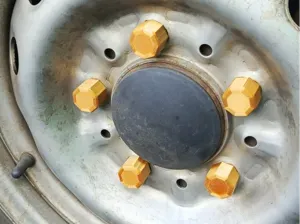

Il catalogo completo dei temi, dalla casa alla lavorazione CNC, con ricerca su tutti i siti collegati.