Gratis 
Anet AM8 2040 End Cap
Thingiverse
This collection gathers 3D models that close off the ends of tubes, pipes and profile rails, plus a few flexible designs that stretch over an opening. Most of them are small parts, so a single 3D printing session can cover several sizes at once. It is useful when you need a cap for a specific diameter or slot type and want to adjust the dimensions before printing. Polyzon does not confirm whether models are free, their price, license, official status, affiliation, safety or fitness. Check the current terms at the source.
Il testo di questa raccolta è in inglese; la ricerca funziona in qualsiasi lingua.
 Una raccolta di Polyzon · 48 modelli da 4 siti
Polyzon compone questa raccolta a partire dai risultati di ricerca dei siti collegati. I doppioni e i modelli senza anteprima vengono rimossi, le corrispondenze deboli finiscono in fondo e il resto mantiene l’ordine dei risultati. I modelli appartengono ai rispettivi autori: verifica le condizioni sulla pagina di ciascun modello.
Criteri di selezione a cura della redazione di Polyzon · Testo aggiornato: 13/10/2026
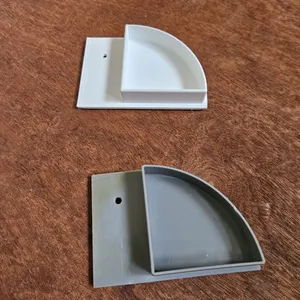

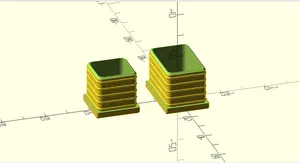
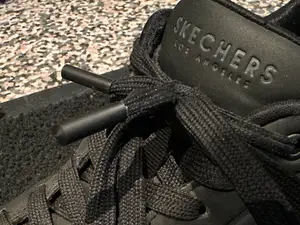


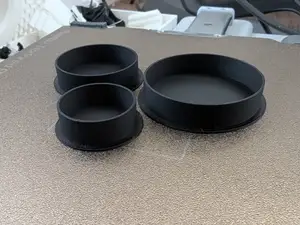
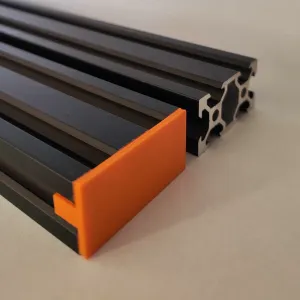

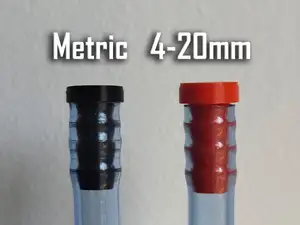
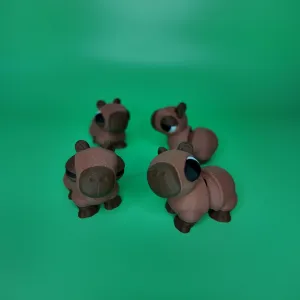

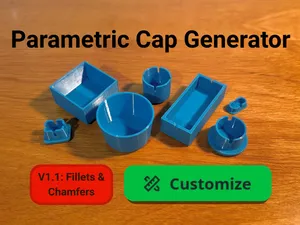
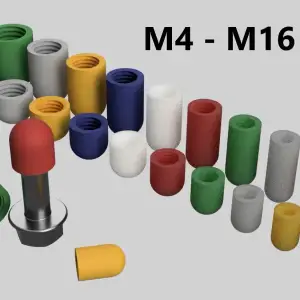

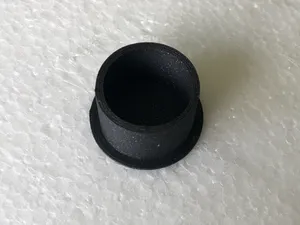
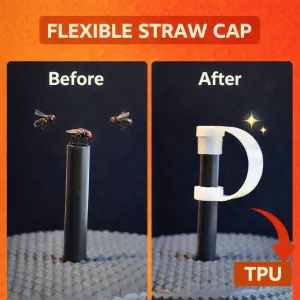

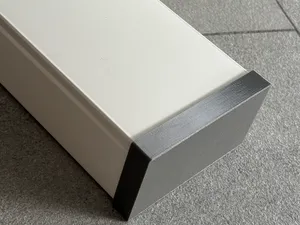

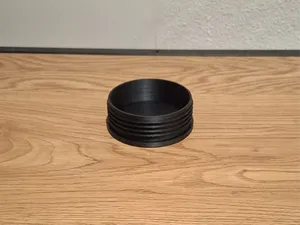
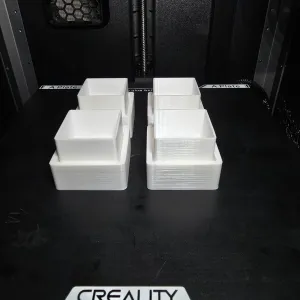

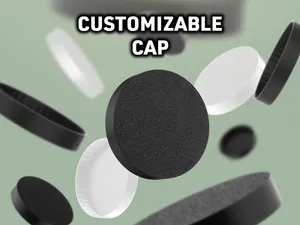
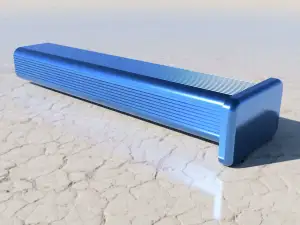

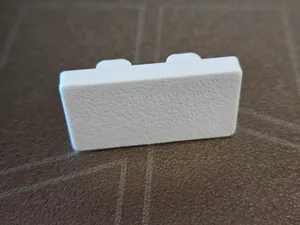
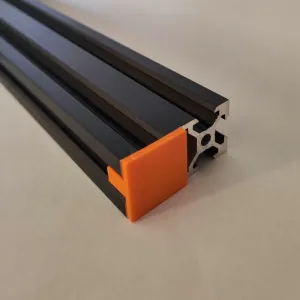

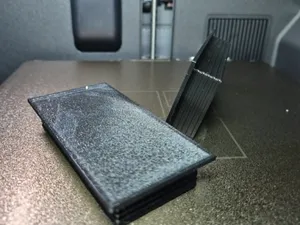
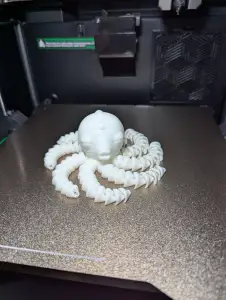

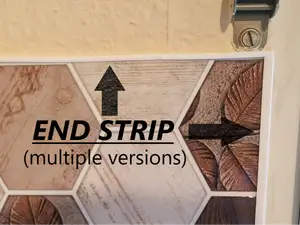
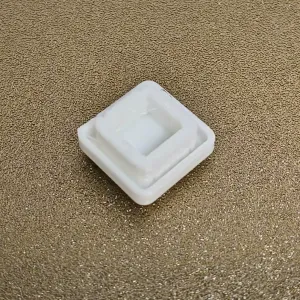

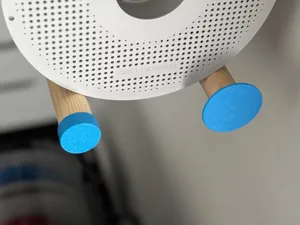
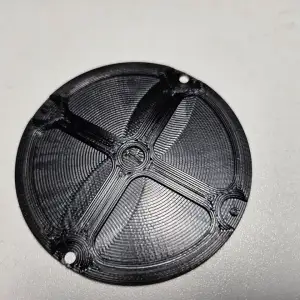

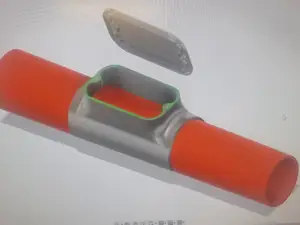
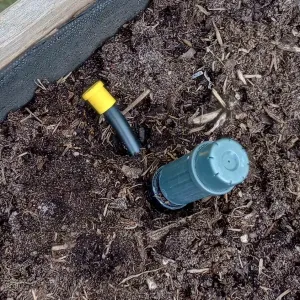

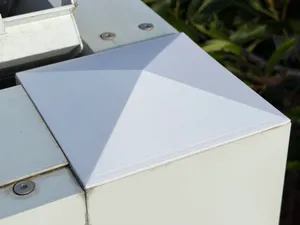
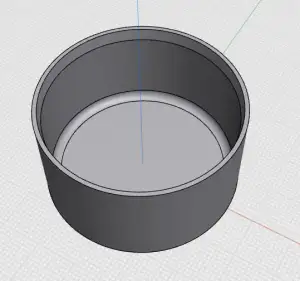
The models fall into a few groups. Rigid caps are shaped around a fixed cross-section, such as an extrusion profile or a named rail size, and often snap or slide into place. Flexible caps are printed in a soft filament and grip the tube from the outside, which lets one model cover a small range of diameters. Parametric generators take a different approach: you enter the diameter, wall thickness or slot count and the STL is rebuilt to match.
Before printing, measure the part you want to cover: outer diameter for a push-on cap, inner diameter for a plug, and the cross-section and slot type for profile rails. On the author's model page, look at the stated size and scale, the number of separate parts, whether supports are needed, and the material and settings the author lists. Photos of real prints are the quickest way to judge how the cap sits and how thick the walls are.
If a search returns too little, try the words people use for the same object: end cap, plug, bung, tube plug, hole cover, thread protector, or profile cap. Adding a dimension or a profile name narrows the results quickly. Related topics worth checking are handlebar and furniture tube caps, cable and ducting ends, and parametric generators that can be adapted to a size you did not find directly.
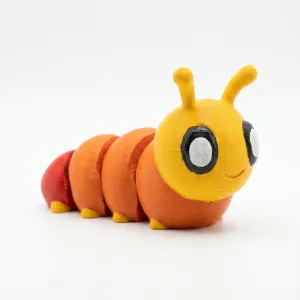
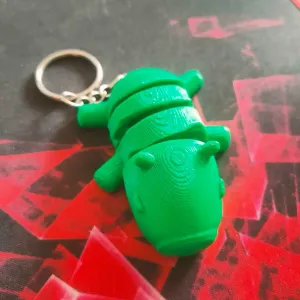
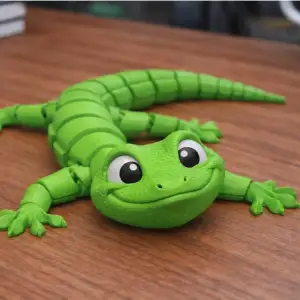
Flexible designs are not limited to hardware. The same soft-filament approach appears in small flexi animals and similar figures, which are printed as one piece with thin joints. They share the material and wall-thickness questions with functional caps, but the fit matters less than the print orientation and the joint clearance.

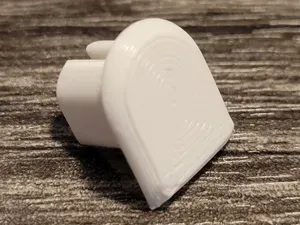



Il catalogo completo dei temi, dalla casa alla lavorazione CNC, con ricerca su tutti i siti collegati.