
Gratis 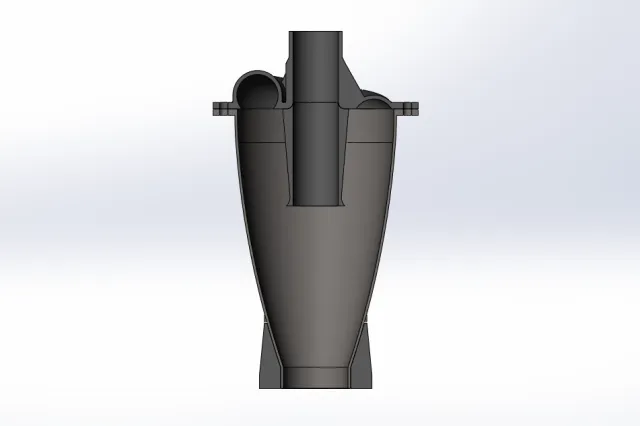
Циклон_3.0
3DToday
This collection gathers cyclone STL files for 3D printing, covering workshop dust separators, multi-stage filters, storage containers, lamps, and mechanical model kits. You will find practical workshop upgrades alongside decorative household objects. Use the filters to narrow the geometry to a size your 3D printer can handle. Polyzon does not confirm whether models are free, their price, license, official status, affiliation, safety or fitness. Check the current terms at the source.
Il testo di questa raccolta è in inglese; la ricerca funziona in qualsiasi lingua.
 Una raccolta di Polyzon · 48 modelli da 7 siti
Polyzon compone questa raccolta a partire dai risultati di ricerca dei siti collegati. I doppioni e i modelli senza anteprima vengono rimossi, le corrispondenze deboli finiscono in fondo e il resto mantiene l’ordine dei risultati. I modelli appartengono ai rispettivi autori: verifica le condizioni sulla pagina di ciascun modello.
Criteri di selezione a cura della redazione di Polyzon · Testo aggiornato: 09/10/2026


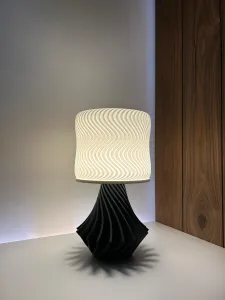

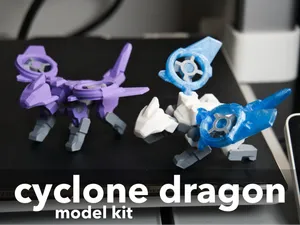
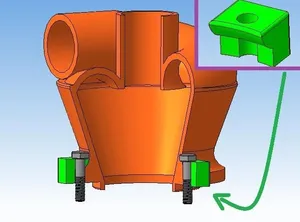

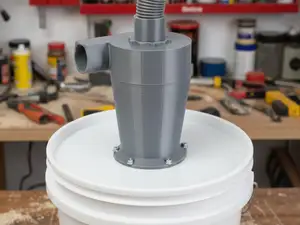
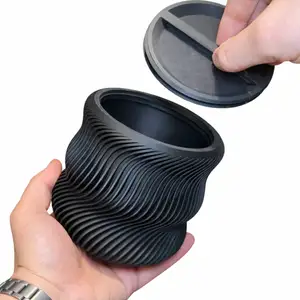
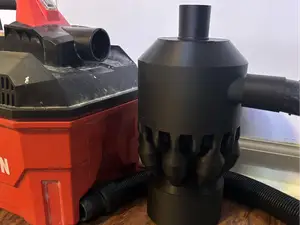


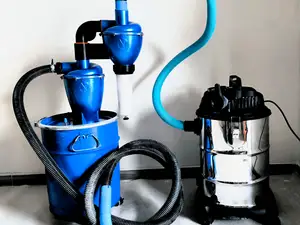


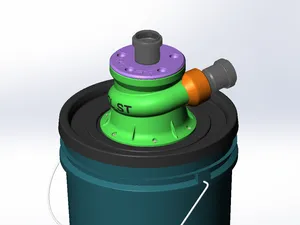
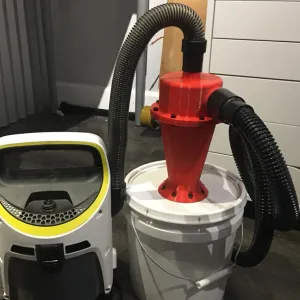


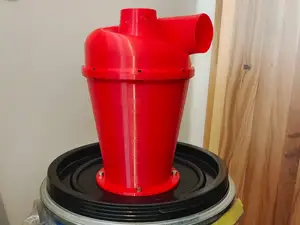
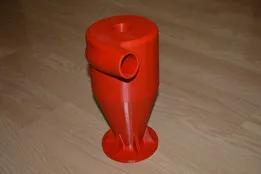
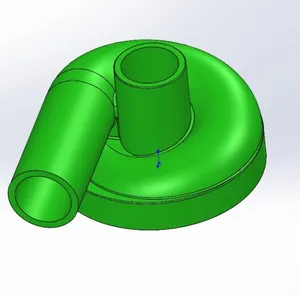


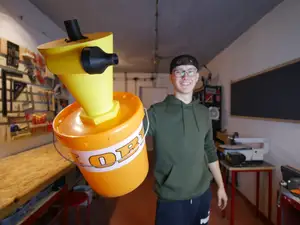


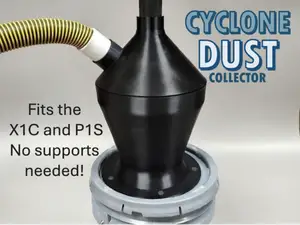


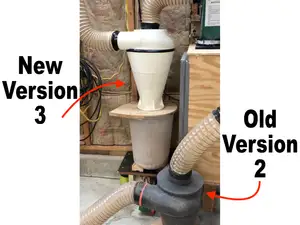


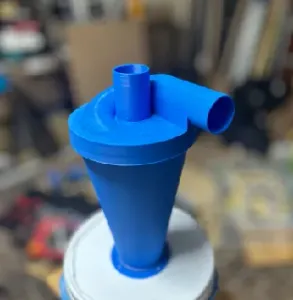

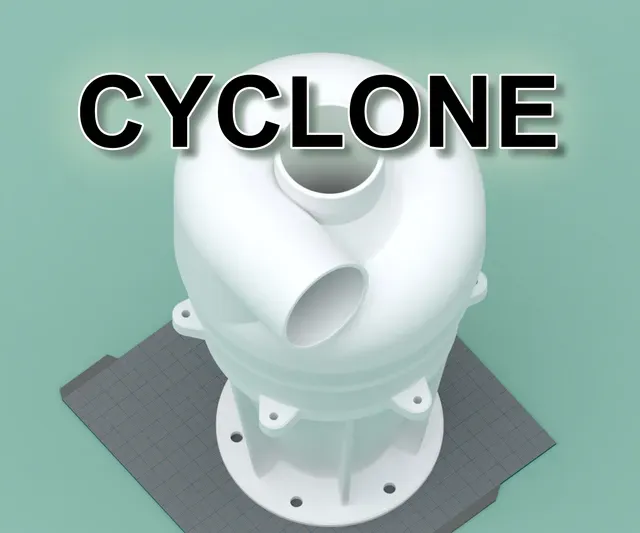
The results split into two main groups: functional workshop hardware and decorative or mechanical items. Dust collectors and vacuum separators usually rely on a conical or cylindrical chamber designed to direct airflow, while multi-stage versions add serial chambers for finer particle separation. Lamps, storage boxes and model kits use the cyclone name for their spiral shape or motion, so their geometry and wall thickness differ greatly from filtration hardware.
Before starting a print, open the model page to check the overall dimensions against your build plate and whether the author divided the part into segments. Look at the recommended material and layer height, ask whether supports are needed for overhangs, and inspect photos of real prints to see surface quality and how parts mate. For functional separators, verify if the author notes any need for airtight seals, hose diameters, or additional hardware such as gaskets and threaded inserts.
If you need a specific application, try synonyms and related terms: search for dust collector, separator, vacuum filter, or stage filter to narrow workshop tools, or add lamp, vase, storage, marble run, or creature kit to find decorative and mechanical models. You can also combine cyclone with workshop, home, or office to shift the results toward utility or household use.




Il catalogo completo dei temi, dalla casa alla lavorazione CNC, con ricerca su tutti i siti collegati.

