
Gratis 
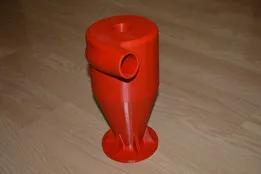
Cyclone nozzle
Printables
This collection gathers STL files for cyclone-style nozzles and related airflow parts. You can compare shapes for debris pickup, concentrated air, and shop cleanup. The models range from simple attachments to multi-part assemblies. Polyzon does not confirm whether models are free, their price, license, official status, affiliation, safety or fitness. Check the current terms at the source.
Il testo di questa raccolta è in inglese; la ricerca funziona in qualsiasi lingua.
 Una raccolta di Polyzon · 48 modelli da 8 siti
Polyzon compone questa raccolta a partire dai risultati di ricerca dei siti collegati. I doppioni e i modelli senza anteprima vengono rimossi, le corrispondenze deboli finiscono in fondo e il resto mantiene l’ordine dei risultati. I modelli appartengono ai rispettivi autori: verifica le condizioni sulla pagina di ciascun modello.
Criteri di selezione a cura della redazione di Polyzon · Testo aggiornato: 14/10/2026



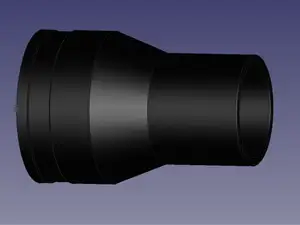





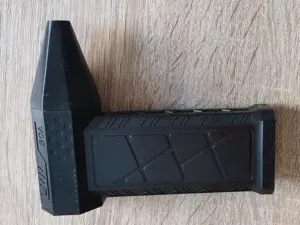
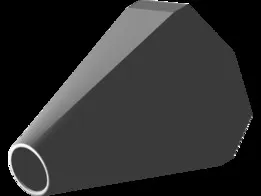


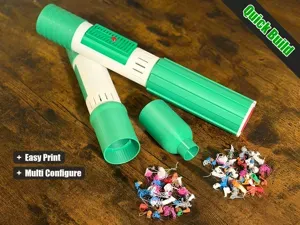






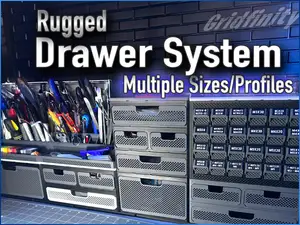
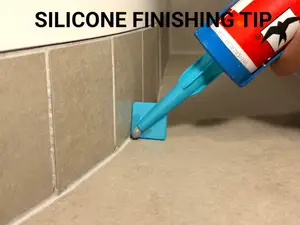

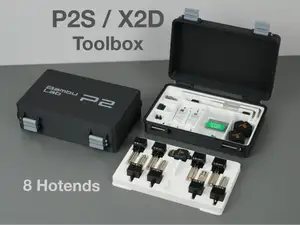

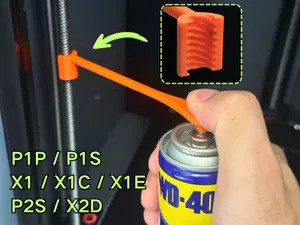


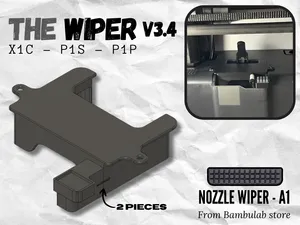


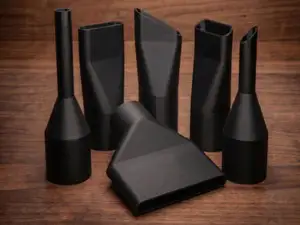



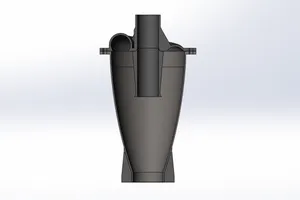
Common groups include vacuum cleaner nozzles, blower and air duster tips, dust separator cyclones, and spray or jet nozzles. Vacuum versions often focus on floor, crevice, or adapter shapes, while blower types concentrate airflow. Dust separators are larger bodies that connect to hoses and buckets. Spray and jet nozzles are built around a narrow opening and internal channels.
When choosing a model, check the listed inlet and outlet diameters, the number of parts, and how the pieces join. Look at the author's photos of real prints and the material and settings they note. For printing, consider orientation, layer height, wall count, and whether supports are required for overhangs. A nozzle whose inlet matches your hose or tool diameter matters more than a complex shape.
To narrow results, try terms such as vacuum attachment, shop vac adapter, blower tip, air duster nozzle, dust cyclone, or hose reducer. Related searches include cyclone separator, turbo nozzle, crevice tool, and parametric nozzle. You can also combine a tool name with the connector size or thread type you need.


Il catalogo completo dei temi, dalla casa alla lavorazione CNC, con ricerca su tutti i siti collegati.