
無料 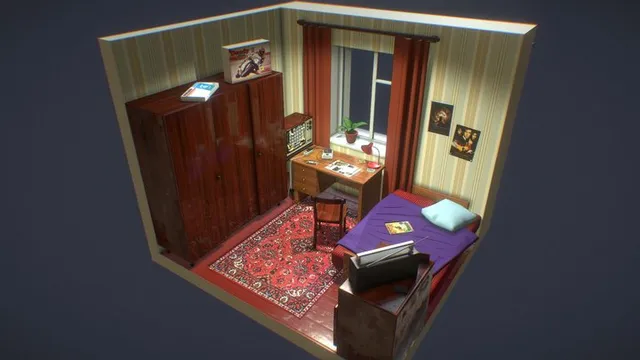
90-th Retro Room with Dendy
Sketchfab
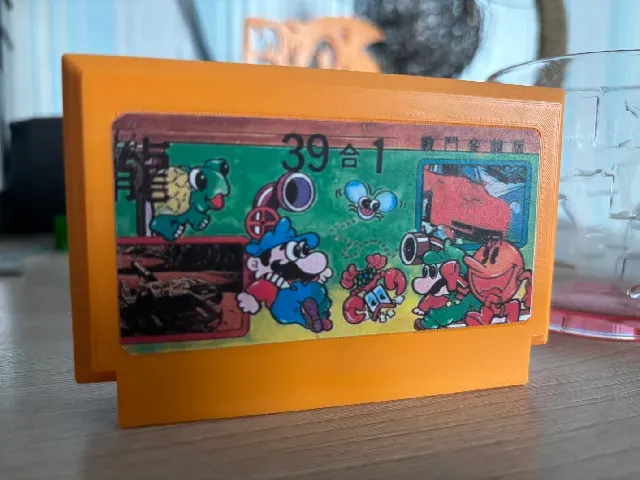
This collection brings together STL files that show up around the word Dendy: cartridge shells and cases for Famicom-style hardware, housings for small single-board computers, and a separate group of character figures and keychains. It helps if you are repairing a retro console, building a compact computer in a retro look, or simply want a small 3D printing project. Each entry leads to the author's page, where scale, part count and print settings are described. Polyzon does not confirm whether models are free, their price, license, official status, affiliation, safety or fitness. Check the current terms at the source.
このコレクションの本文は英語で書かれています。検索自体はどの言語でも使えます。
 Polyzonのコレクション · モデル48件 7サイトから収集
このコレクションは、Polyzonが対応サイトの検索結果をもとに作成しています。重複やプレビューのないモデルは除外し、関連性の低いものは後ろに回し、それ以外は検索結果の順に並べています。モデルの権利は各作者にあります。利用条件は各モデルのページでご確認ください。
選定基準:Polyzon編集部 · 本文の更新日:2026年10月10日



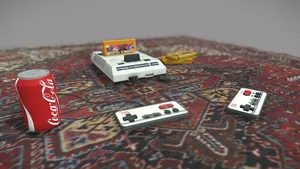


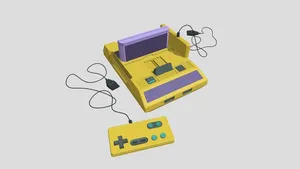


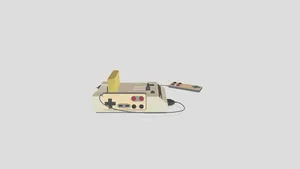





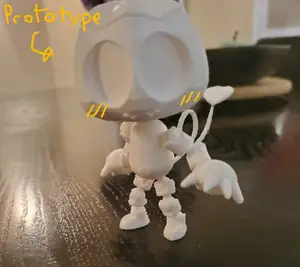



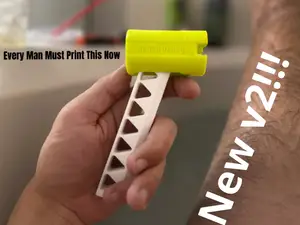



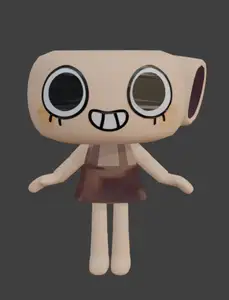


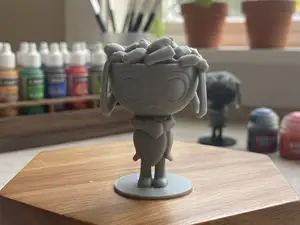

The hardware side of the topic is mostly about cartridges: empty shells, replacement cases and slot parts for Famicom-style consoles and their clones. Alongside them come internal pieces such as eject mechanisms, and housings that turn a small single-board computer into something that looks like a retro console. The toy side is different in scale and purpose: flexible head keychains, small desk figures and articulated characters that are printed as several moving parts rather than as a single rigid body.
When choosing a model, start with the author's description: overall dimensions, wall thickness and whether the shell is meant to hold a real board or only to look like one. For cartridge cases, check the pin count and the internal clearances, since a shell drawn for one board will not close around another. For figures and keychains, look at the number of parts, the joints and the material the author used, and read the comments under photos of real prints before starting your own.
If the results feel narrow, try related wording: Famicom, Famiclone, NES, 60-pin and 72-pin cartridges for the hardware side, or retro console case, Raspberry Pi case and mini PC housing for the computer side. For the toy side, search by character name, by format such as flexi or articulated, or by object such as keychain, desk buddy and figurine. Combining a platform word with a format word usually narrows the list faster than a single broad term.



暮らし・日用品からCNCまで、すべてのテーマをそろえたカタログ。対応サイトを横断して検索できます。

