無料 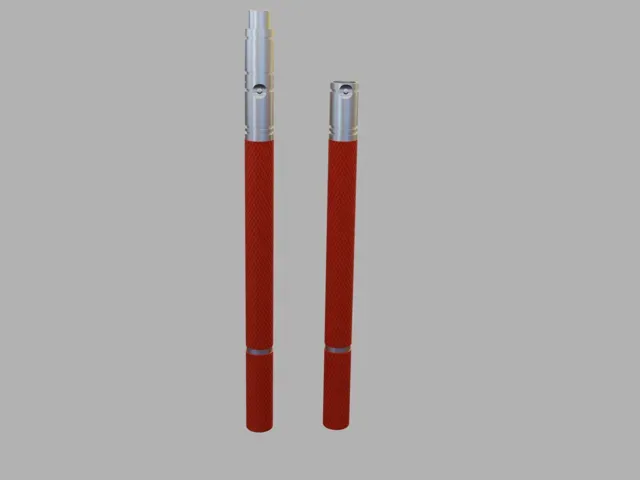
Daredevil's Batons
MakerWorld
This collection gathers STL files for batons, batarangs, flexi bats, wands and sports-style bats. You can compare how each design is built, from simple one-piece props to multi-part assemblies. It helps you find a starting point for a 3D printing project. Polyzon does not confirm whether models are free, their price, license, official status, affiliation, safety or fitness. Check the current terms at the source.
このコレクションの本文は英語で書かれています。検索自体はどの言語でも使えます。
 Polyzonのコレクション · モデル40件 2サイトから収集
このコレクションは、Polyzonが対応サイトの検索結果をもとに作成しています。重複やプレビューのないモデルは除外し、関連性の低いものは後ろに回し、それ以外は検索結果の順に並べています。モデルの権利は各作者にあります。利用条件は各モデルのページでご確認ください。
選定基準:Polyzon編集部 · 本文の更新日:2026年10月13日
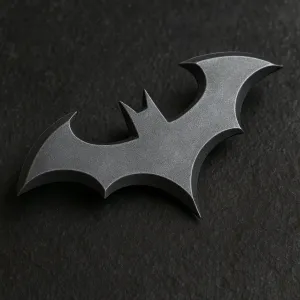
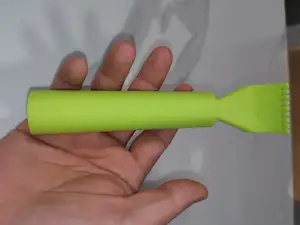
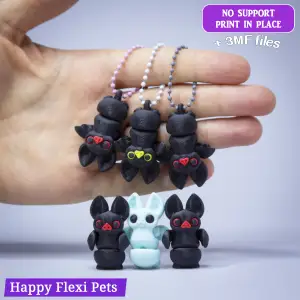
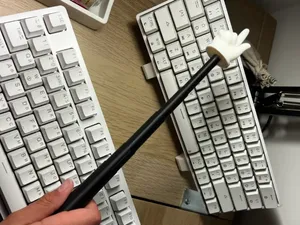
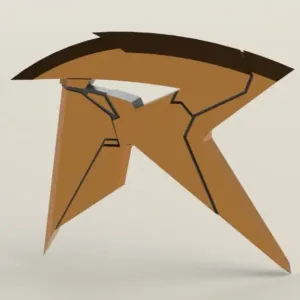
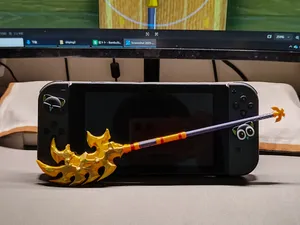
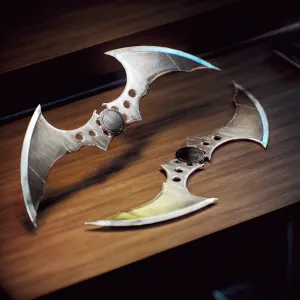
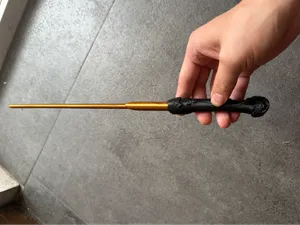
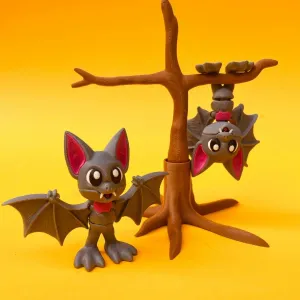
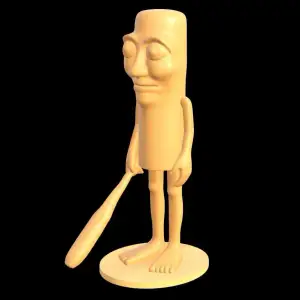
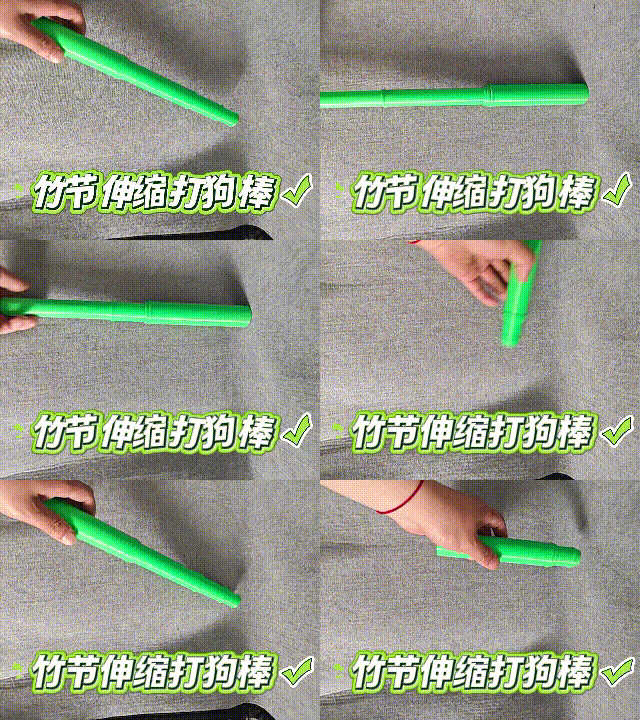
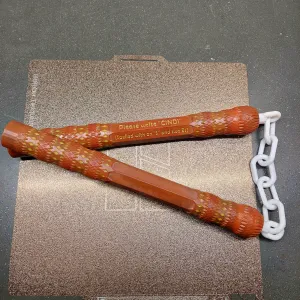
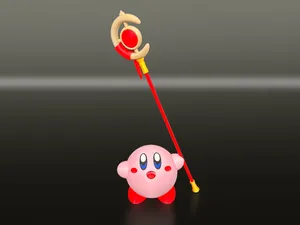
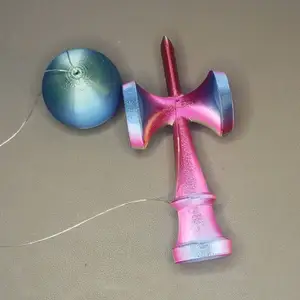

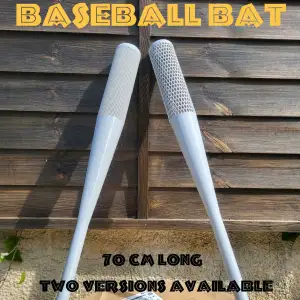
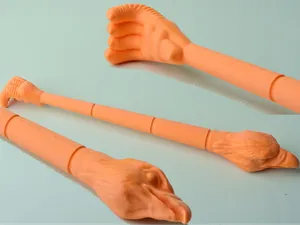
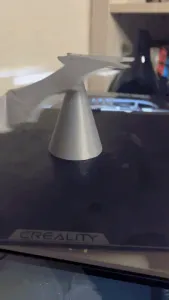
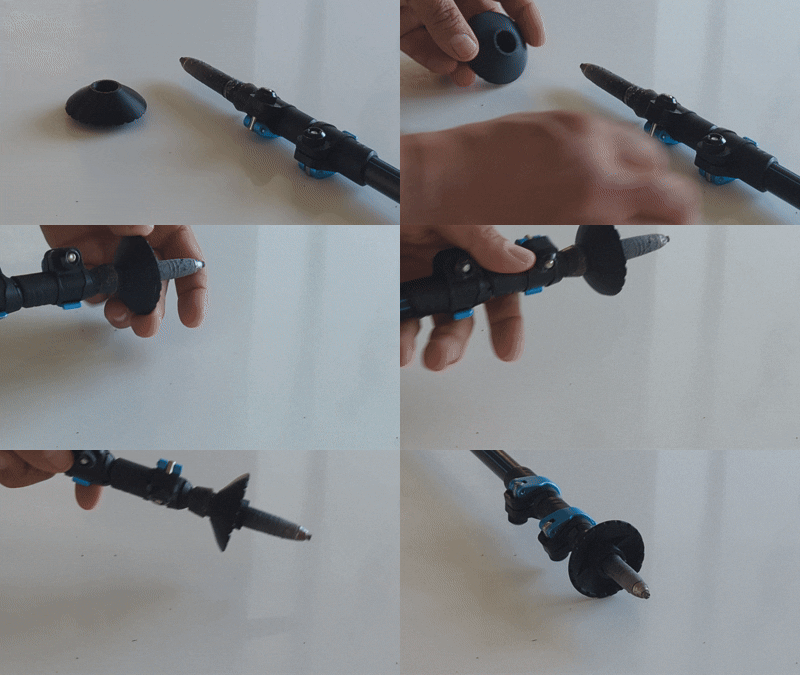
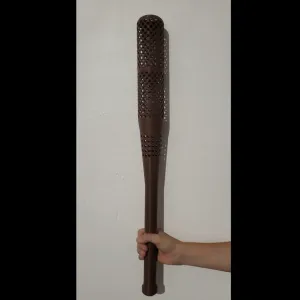
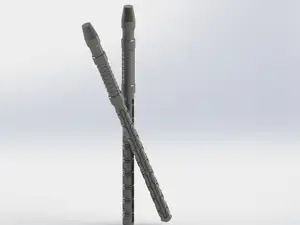
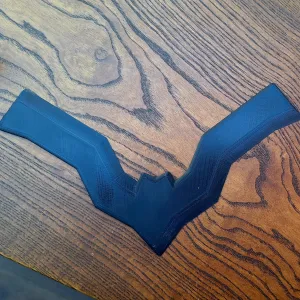
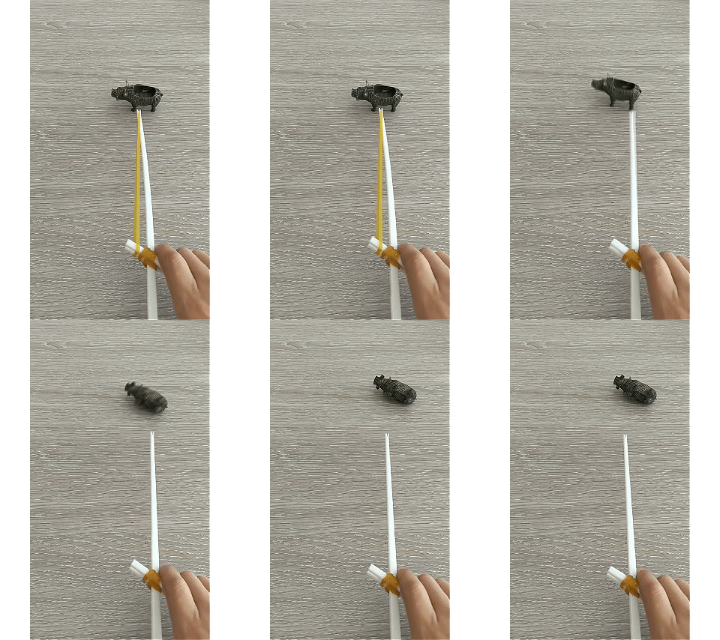
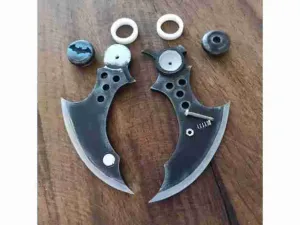
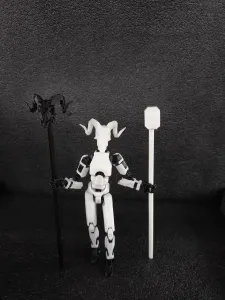
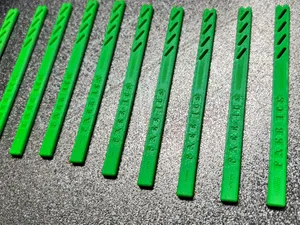
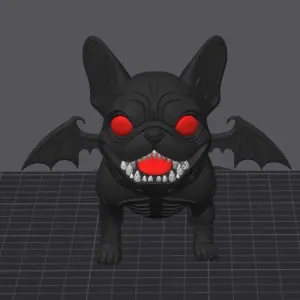
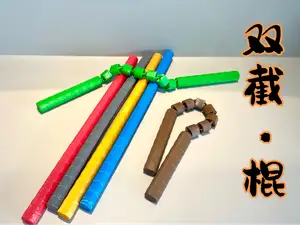
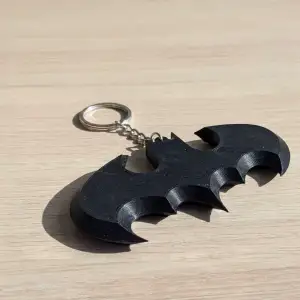
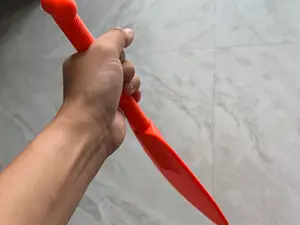
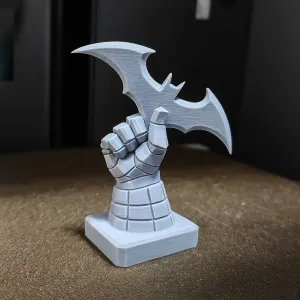
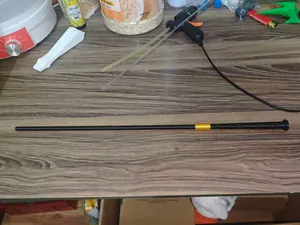
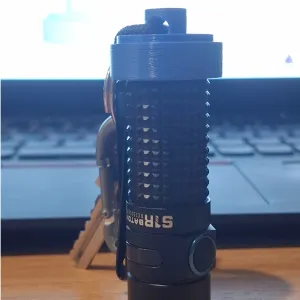
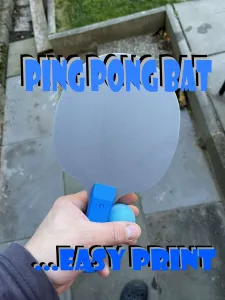
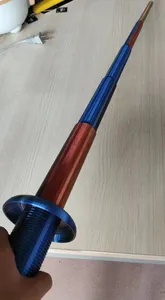
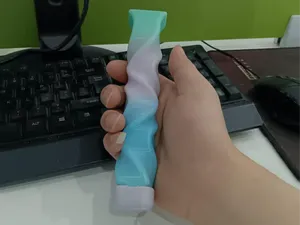
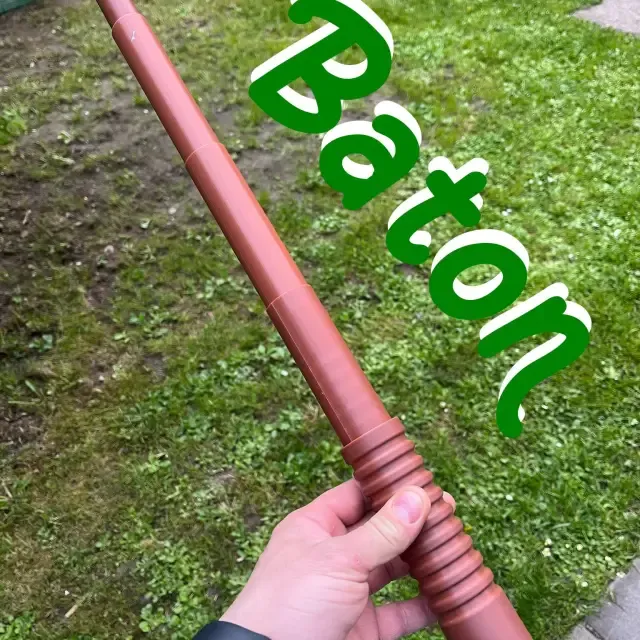
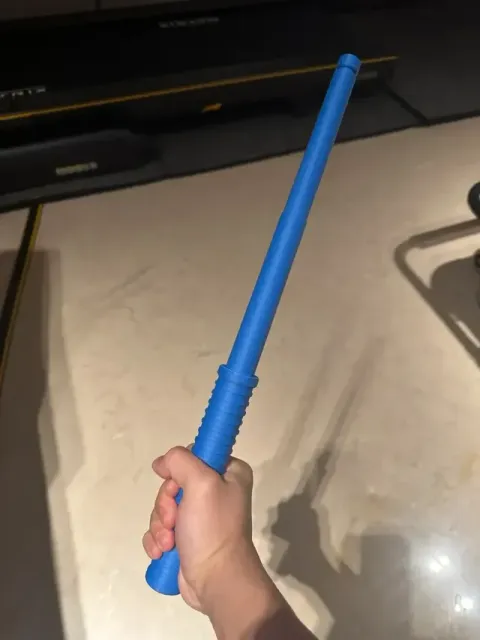
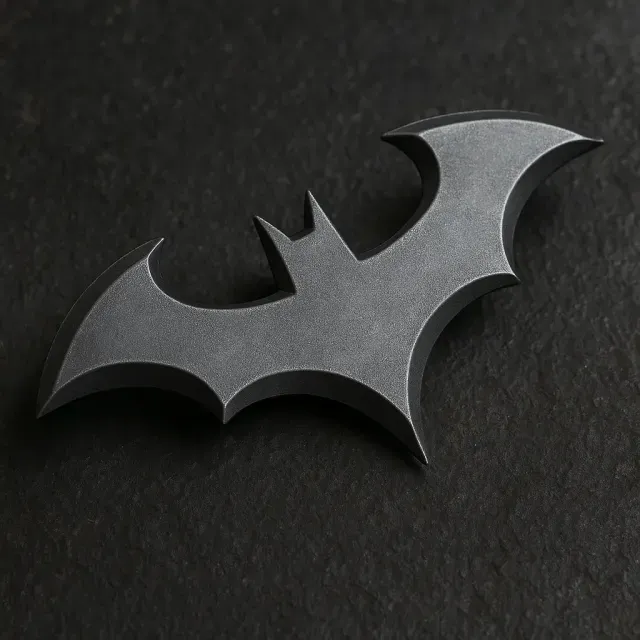
The models range from telescopic batons and bat-shaped throwing props to articulated flexi toys and fantasy wands. Some are single-piece shapes, while others use sliding sections, hinges or separate parts that need assembly. Fantasy staffs and sports bats often follow a more solid form, whereas flexi designs rely on printed joints.
When choosing a model, check the listed dimensions and scale, the number of parts, and whether the author notes support requirements. Look at the material and print settings on the model page, and review photos of real prints to see how the moving sections or thin edges turned out. For articulated or telescopic pieces, clearances between parts matter more than overall size.
To narrow the search, try related terms such as telescopic baton, collapsible staff, batarangs, flexi bat, prop wand or training bat. Combining a theme with a build type, like articulated toy or multi-part prop, can separate decorative models from functional-looking shapes. You can also search by the character or franchise that inspires the prop, then check the model page for the actual geometry.


暮らし・日用品からCNCまで、すべてのテーマをそろえたカタログ。対応サイトを横断して検索できます。