無料 
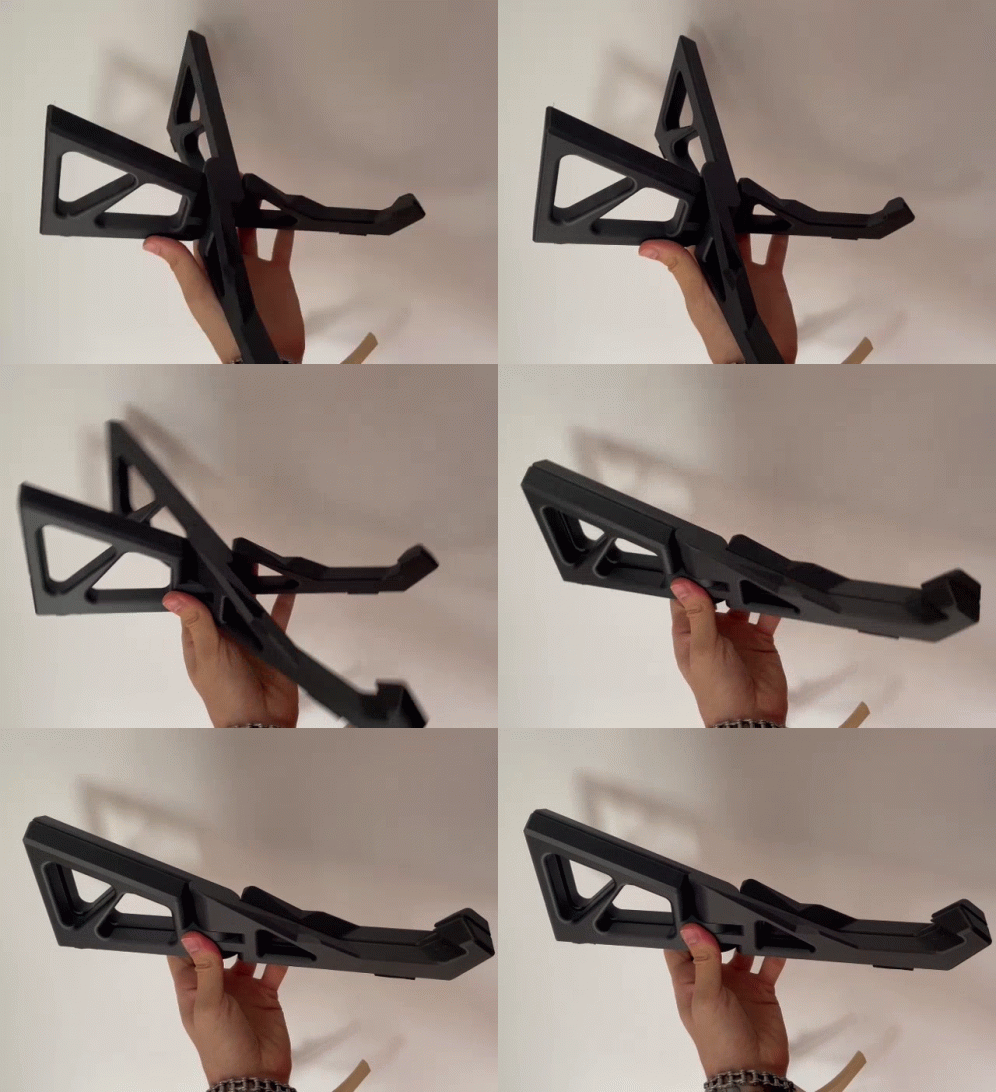
Rotary vice for electrical installation
Thingiverse
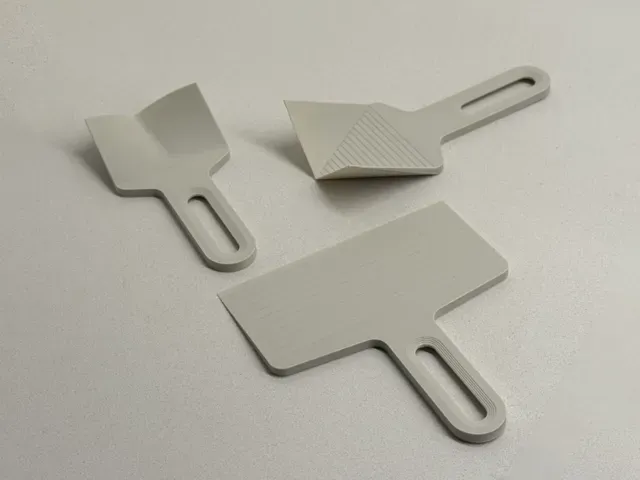
This collection gathers STL files for installation work: brackets and mounting jigs, alignment spacers and shims, hand tools and adapters for electrical, bicycle and workshop tasks. Most of these parts are small and print with little or no support, so a size can be corrected and the piece reprinted quickly. It is a starting point for anyone who needs a specific fixture rather than a decorative model. Polyzon does not confirm whether models are free, their price, license, official status, affiliation, safety or fitness. Check the current terms at the source.
このコレクションの本文は英語で書かれています。検索自体はどの言語でも使えます。
 Polyzonのコレクション · モデル46件 3サイトから収集
このコレクションは、Polyzonが対応サイトの検索結果をもとに作成しています。重複やプレビューのないモデルは除外し、関連性の低いものは後ろに回し、それ以外は検索結果の順に並べています。モデルの権利は各作者にあります。利用条件は各モデルのページでご確認ください。
選定基準:Polyzon編集部 · 本文の更新日:2026年10月15日


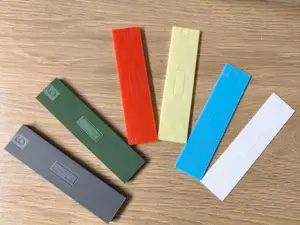

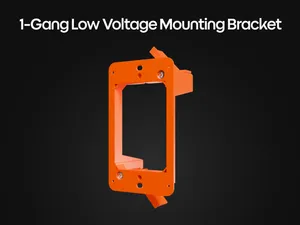

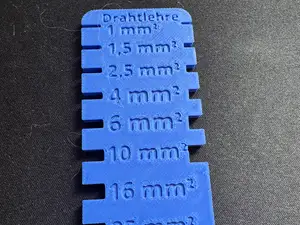










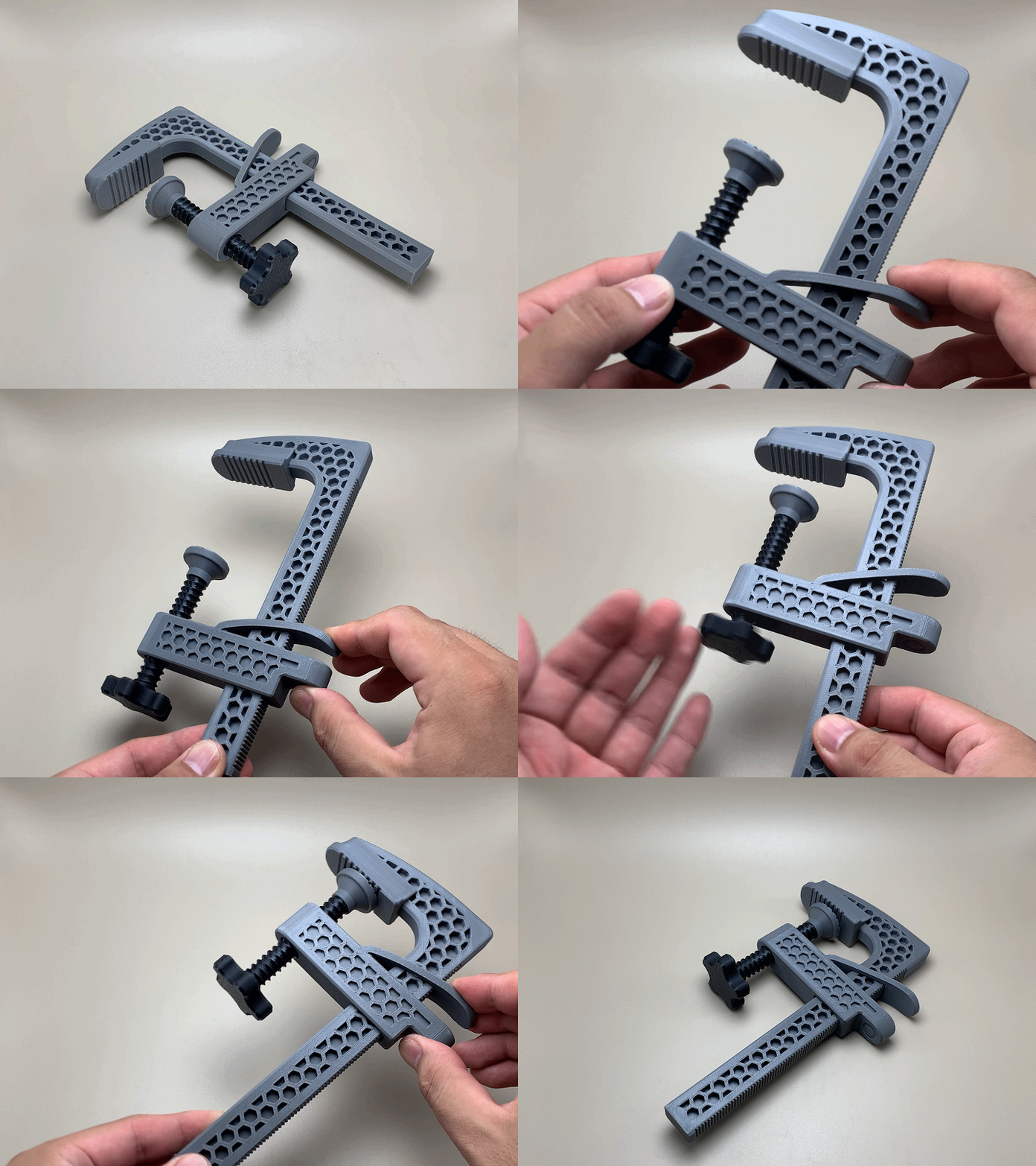








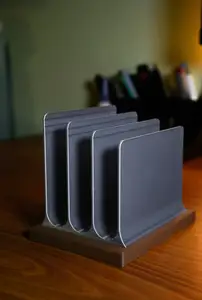


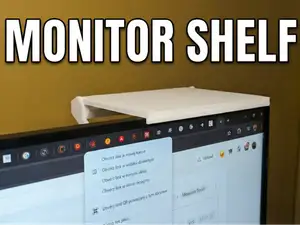

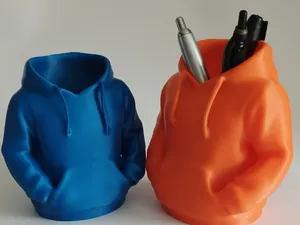
The range splits roughly into three groups. There are fixtures that hold something in place while you work, such as brackets, jigs and spacers. There are hand tools and adapters shaped around a particular task, from electrical installation to bicycle tire work. And there are small adjustment parts — shims, gauges, alignment pieces — that are cheap to reprint when a fit is slightly off.
When choosing a model, open the author's page and read the listed dimensions first, then the number of parts and whether assembly is required. Check whether the author shows supports in the print orientation, and which material and settings they used. Photos of real prints tell you more about wall thickness and tolerances than a render does. For anything that takes load or heat, a higher infill and a stiffer filament usually matter more than fine surface detail.
If a search comes up short, try the name of the task rather than the object: drilling jig, alignment spacer, cable guide, seal driver, sight tool. Related terms such as mounting plate, adapter, bushing, clamp or holder often surface the same kind of part. Narrowing by the tool or device the part works with, and by the size you need, removes most of the noise.
Many of these models are drawn for one specific size or thread. Measure the counterpart on your equipment before printing, and scale the model only if the geometry allows it — holes and threads rarely survive uniform scaling. Test-fit a first print in a soft or cheap filament before committing to a final version.



暮らし・日用品からCNCまで、すべてのテーマをそろえたカタログ。対応サイトを横断して検索できます。