無料 
The Jump Rope
Thingiverse
The collection gathers STL files built around rope: fittings that hold a cord, parts that route it, and items that store it. It helps when you need one specific piece for a cord, a guy line or a coil and want to compare several approaches before starting a 3D printing job. Most entries are small parts rather than large assemblies. Polyzon does not confirm whether models are free, their price, license, official status, affiliation, safety or fitness. Check the current terms at the source.
このコレクションの本文は英語で書かれています。検索自体はどの言語でも使えます。
 Polyzonのコレクション · モデル47件 4サイトから収集
このコレクションは、Polyzonが対応サイトの検索結果をもとに作成しています。重複やプレビューのないモデルは除外し、関連性の低いものは後ろに回し、それ以外は検索結果の順に並べています。モデルの権利は各作者にあります。利用条件は各モデルのページでご確認ください。
選定基準:Polyzon編集部 · 本文の更新日:2026年10月15日
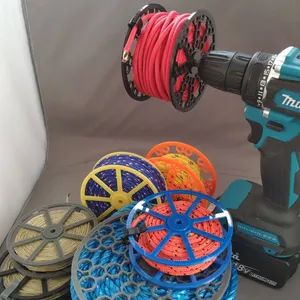

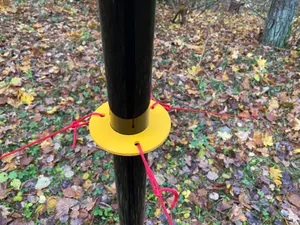
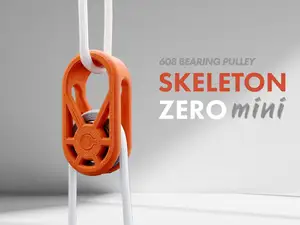


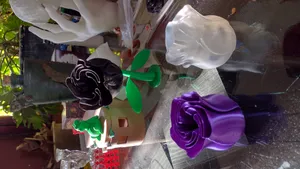
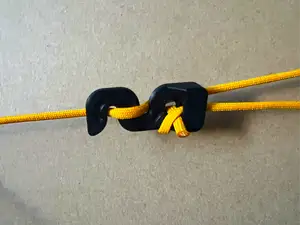
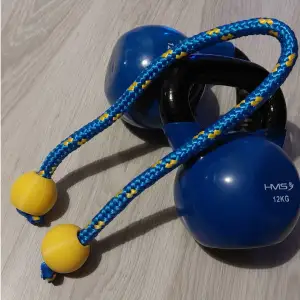

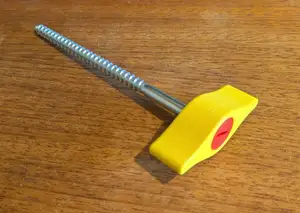
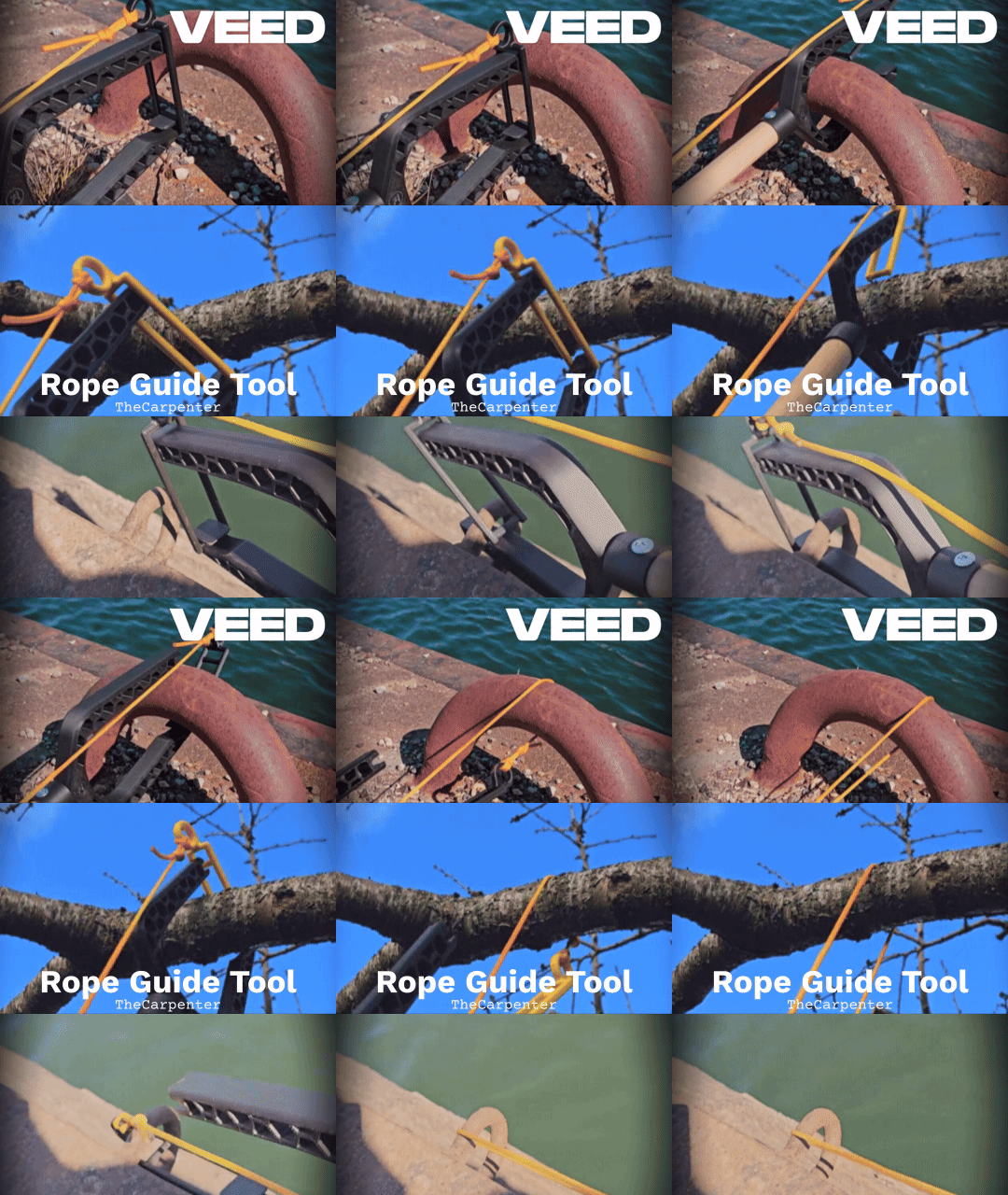
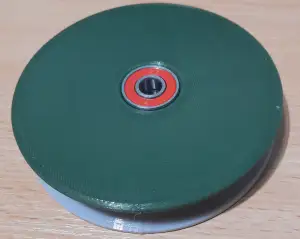

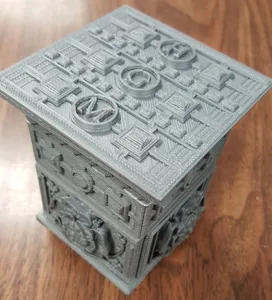
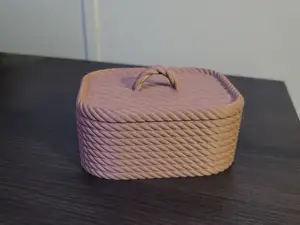
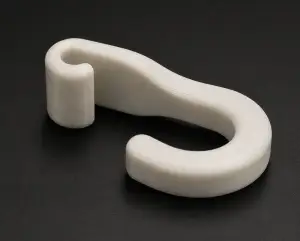

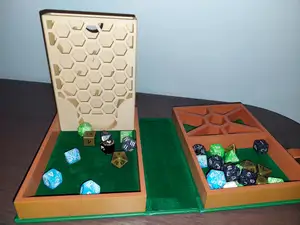
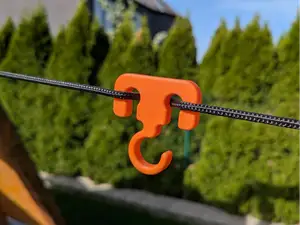
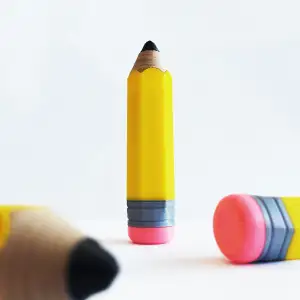

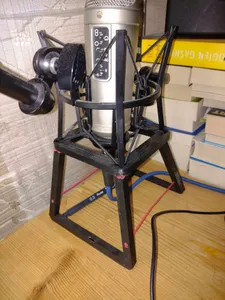
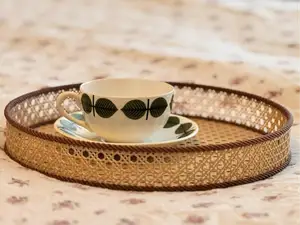
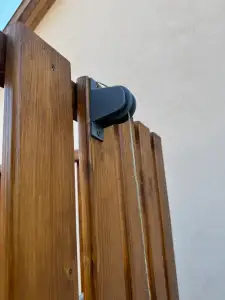

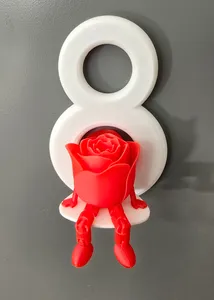
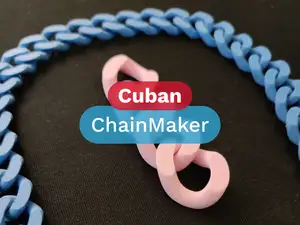
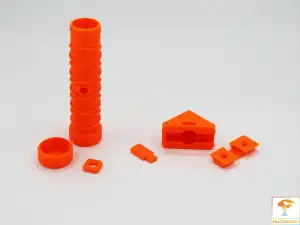

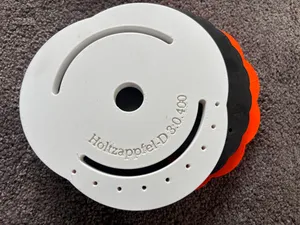
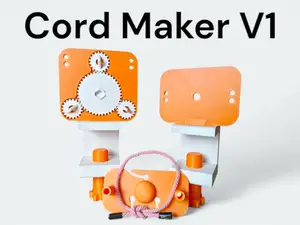
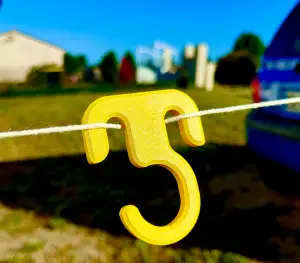

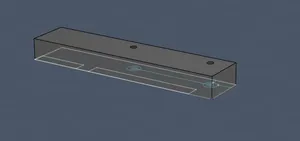
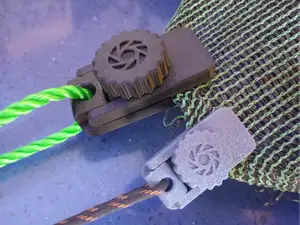
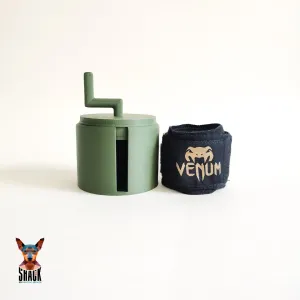

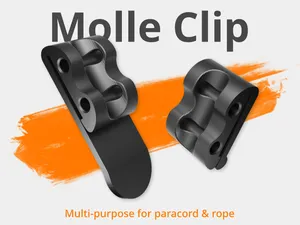
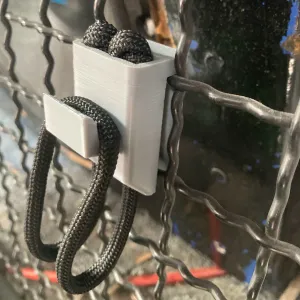

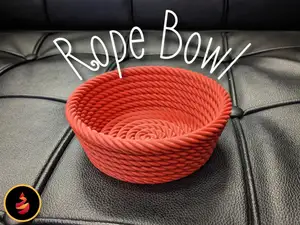
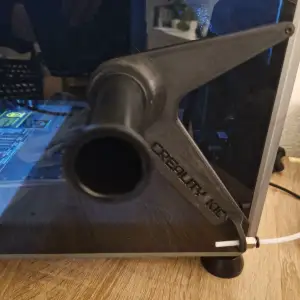
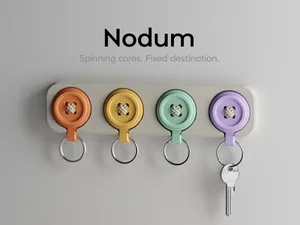
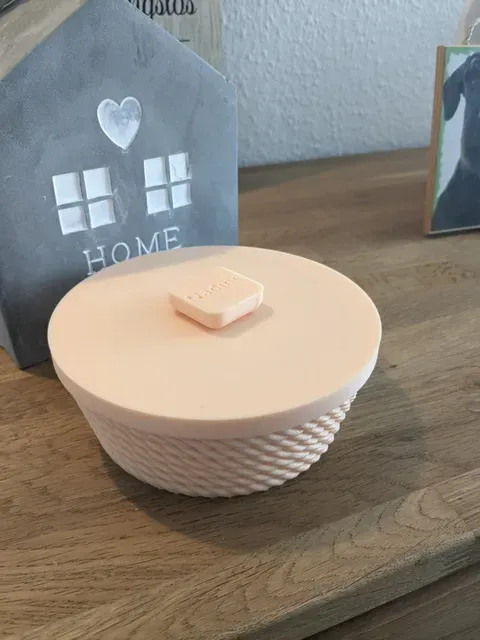
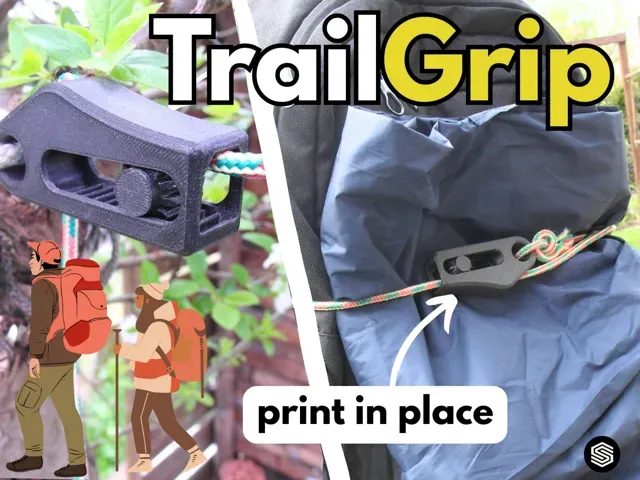
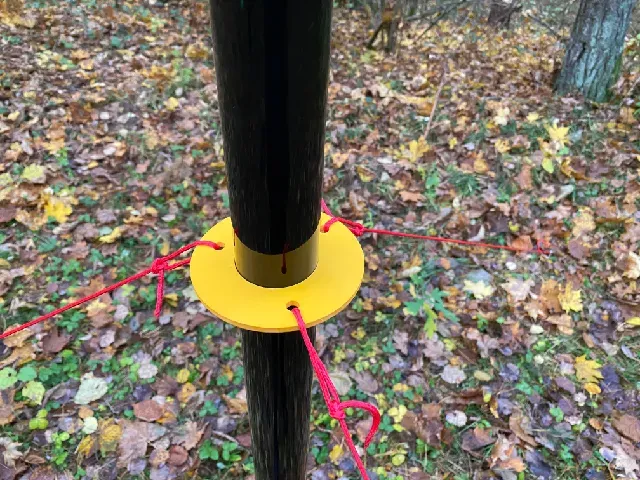
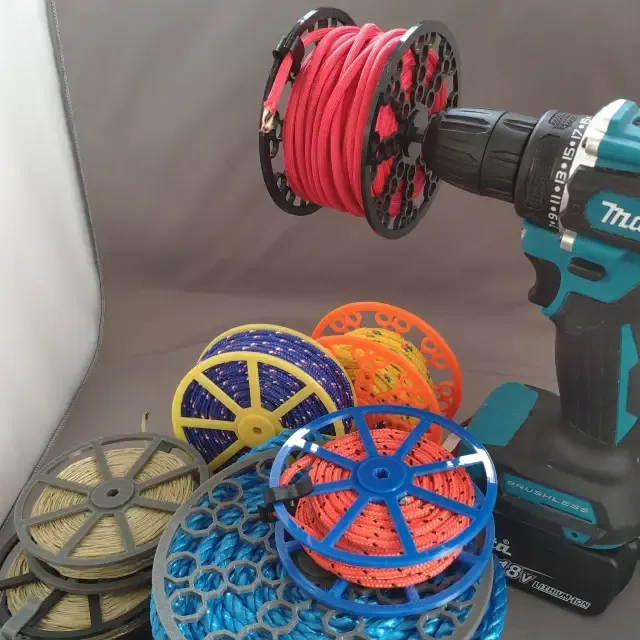
Tensioners, cleats and slides grip a cord and differ in how the rope is threaded and locked; some are drawn as print-in-place pieces, others as two parts. Pulleys and guides change the direction of a line, and their size usually follows the bearing or axle they take. Hooks, collars and anchors fix a rope to a point, while spools, baskets and barrels deal with coiling and storing it. Decorative entries, such as rope-patterned boxes or vase-mode stems, are printed for their look rather than for load.
On the author's model page, check the cord diameter the part is drawn around, the number of parts and how they join, and whether supports are needed. Look at the material and layer settings the author lists, since a part under tension behaves differently in rigid and flexible filaments. Photos of real prints show how openings and surfaces turned out, and comments often mention where a fit was tight or loose.
If a search returns little, try the words used for the same idea: cord, line, guy line, paracord, webbing or cable instead of rope. Related topics include camping and sailing hardware, climbing gear, garden ties and workshop storage. Pairing a fitting term with a use — tensioner, cleat, hook, spool — narrows the list faster than one broad word.
Questions about rope parts usually come down to size and orientation. Measure your cord first, then compare it with the opening shown in the drawings and photos. If a model is drawn for a different diameter, scaling it changes walls and openings at the same time, so a version made for your cord is easier to work with.


暮らし・日用品からCNCまで、すべてのテーマをそろえたカタログ。対応サイトを横断して検索できます。