
無料 
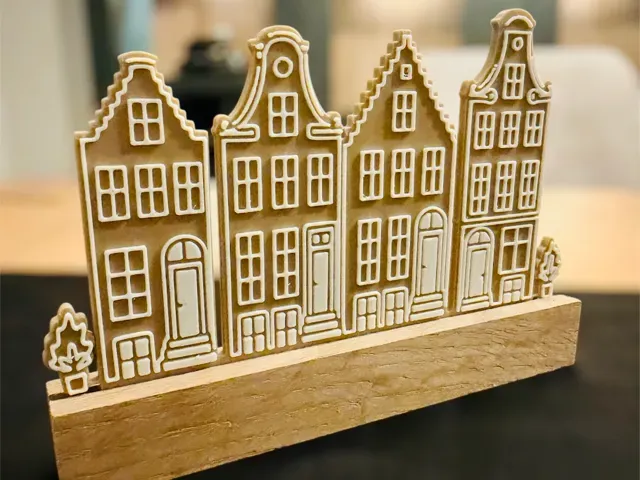
Building Facade Sample
Thingiverse
This collection gathers STL files for conductor jigs and facade parts: drill and alignment guides, sample facade panels, diorama street fronts and LED strip mounts. It is useful when you need a repeatable hole pattern or a facade section for a scale build and want to see what other makers have already modelled. Every entry is a 3D printing file, so the result depends on the scale, the material and the settings you choose. Polyzon does not confirm whether models are free, their price, license, official status, affiliation, safety or fitness. Check the current terms at the source.
このコレクションの本文は英語で書かれています。検索自体はどの言語でも使えます。
 Polyzonのコレクション · モデル41件 3サイトから収集
このコレクションは、Polyzonが対応サイトの検索結果をもとに作成しています。重複やプレビューのないモデルは除外し、関連性の低いものは後ろに回し、それ以外は検索結果の順に並べています。モデルの権利は各作者にあります。利用条件は各モデルのページでご確認ください。
選定基準:Polyzon編集部 · 本文の更新日:2026年10月14日




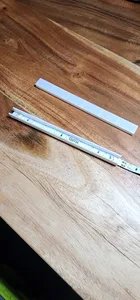


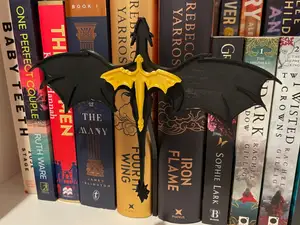

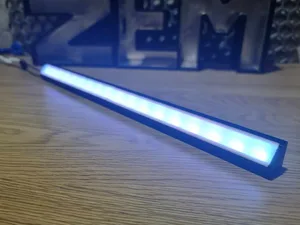

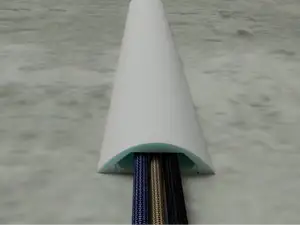

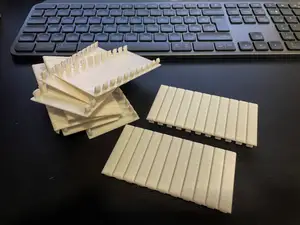

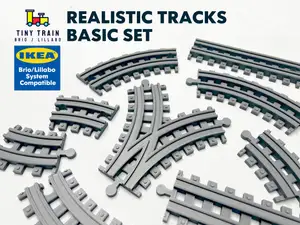

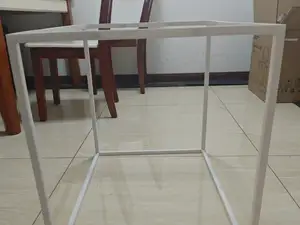

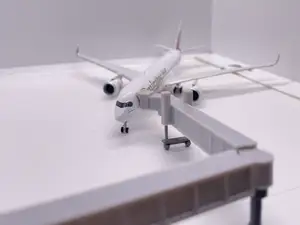

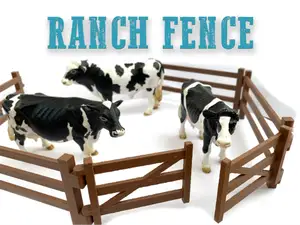

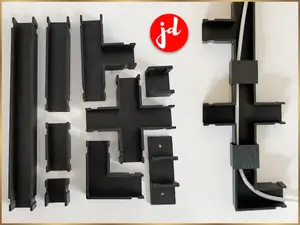

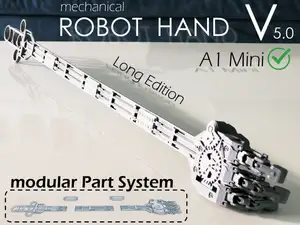

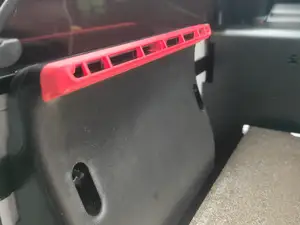

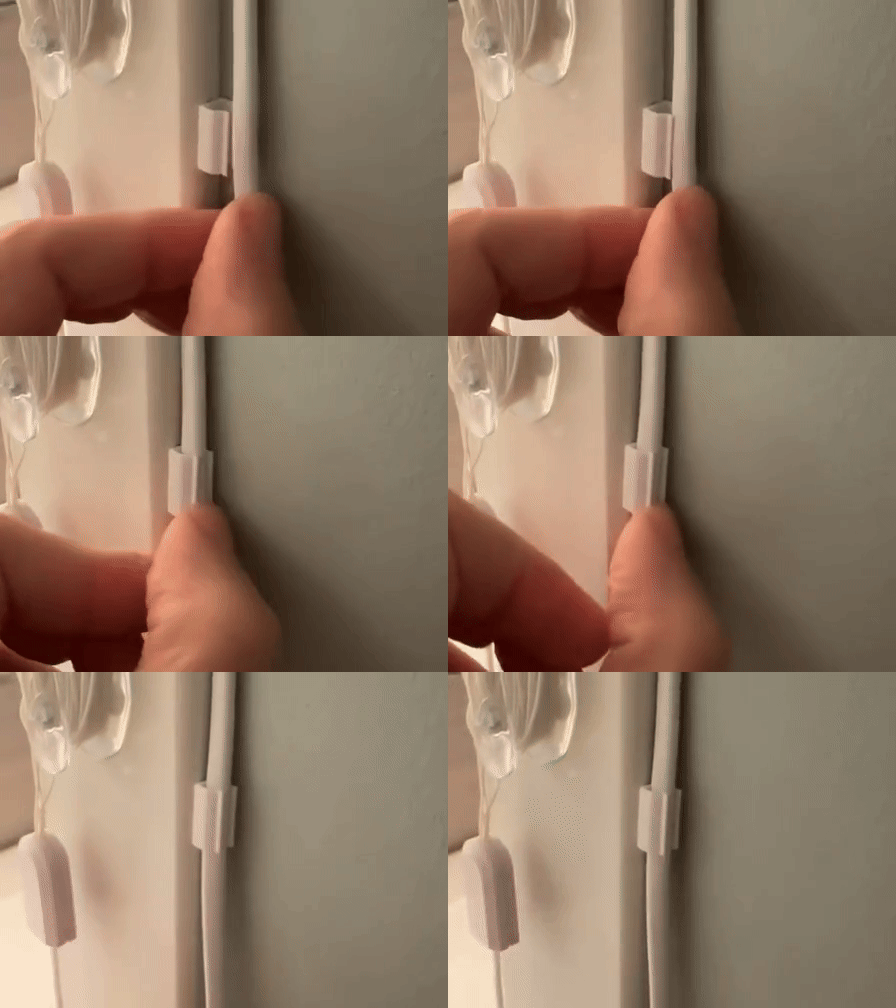

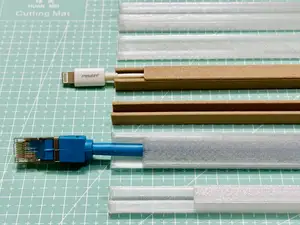

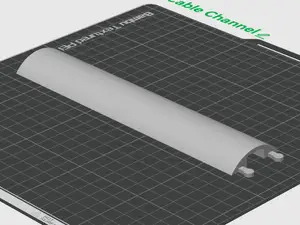


The models fall into a few groups. Drilling and alignment jigs hold a bit or a dowel at a fixed angle or spacing, while retrofit jigs position a lamp or lens module inside an existing housing. Facade parts are different in nature: sample panels, opening fronts and diorama street rows are printed as flat or hollow sections that imitate brick, plaster or cladding. LED profiles and strip mounts sit between the two, since they combine a mechanical guide with a light channel.
When choosing a file, read the author's page rather than the preview image. Check the stated size and scale, the wall thickness of thin facade details, the number of separate parts and how they join, and whether the author lists supports, orientation, layer height and material. For jigs, the important points are the bore diameter, the clearance around the inserted part and how the guide is clamped or held during use. For facade sections, look at photos of real prints to judge how the surface detail survives at your nozzle size.
If the results are too narrow, try the words used for the same idea: drill guide, hole template, alignment block or fixture instead of conductor, and panel, front, cladding or wall section instead of facade. Related topics that often lead to usable files include scale modelling, dioramas, model railways, architectural mock-ups, cable routing and interior lighting profiles. Combining a jig term with a material or a fastener size usually narrows the list faster than adding a platform name.
暮らし・日用品からCNCまで、すべてのテーマをそろえたカタログ。対応サイトを横断して検索できます。