
Ücretsiz 
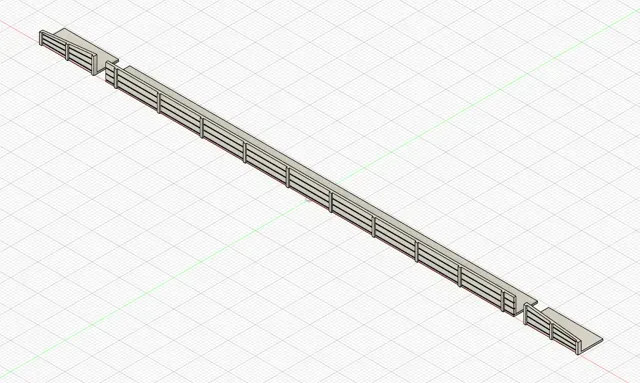
Building Facade Sample
Thingiverse
This collection gathers STL files for conductor jigs and facade parts: drill and alignment guides, sample facade panels, diorama street fronts and LED strip mounts. It is useful when you need a repeatable hole pattern or a facade section for a scale build and want to see what other makers have already modelled. Every entry is a 3D printing file, so the result depends on the scale, the material and the settings you choose. Polyzon does not confirm whether models are free, their price, license, official status, affiliation, safety or fitness. Check the current terms at the source.
Bu koleksiyonun metni İngilizce; arama ise her dilde çalışır.
 Bir Polyzon koleksiyonu · 41 model 3 siteden
Polyzon bu koleksiyonu bağlı sitelerdeki arama sonuçlarından oluşturur. Tekrarlar ve önizlemesi olmayan modeller çıkarılır, zayıf eşleşmeler sona alınır, geri kalanlar arama sırasını korur. Modeller yazarlarına aittir; her modelin sayfasındaki koşulları kontrol edin.
Seçim kuralları: Polyzon editör ekibi · Metin güncellendi: 14.10.2026





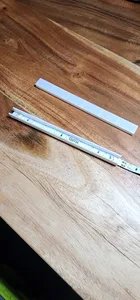




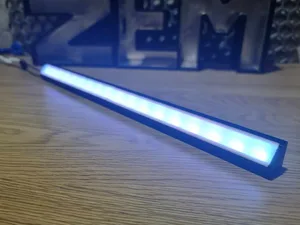

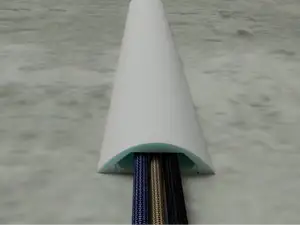

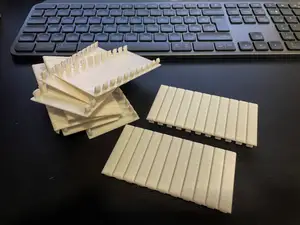

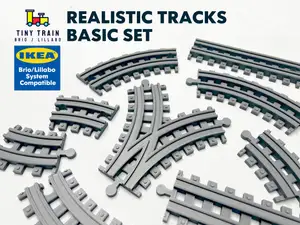

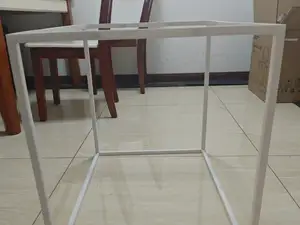





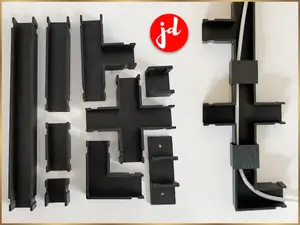



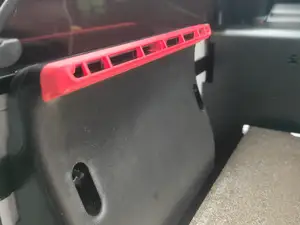

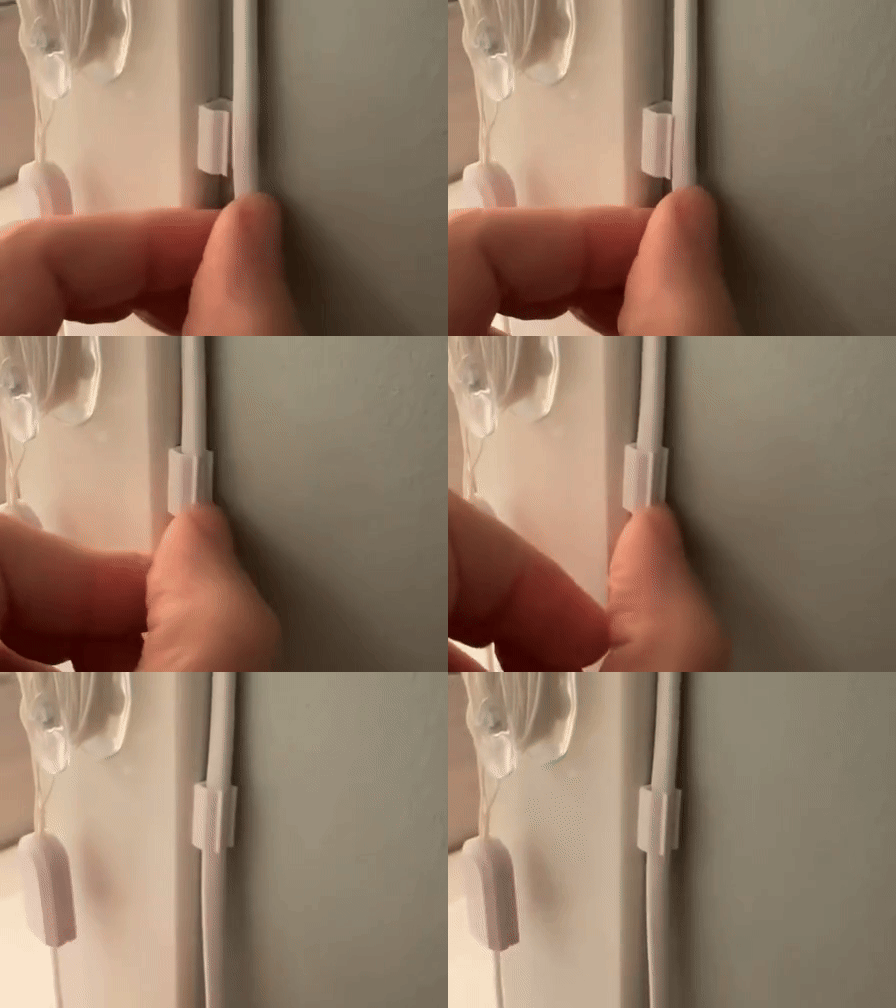

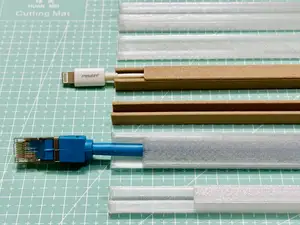

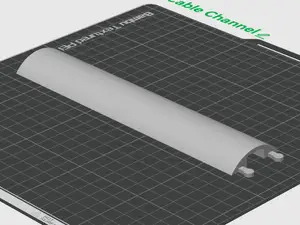


The models fall into a few groups. Drilling and alignment jigs hold a bit or a dowel at a fixed angle or spacing, while retrofit jigs position a lamp or lens module inside an existing housing. Facade parts are different in nature: sample panels, opening fronts and diorama street rows are printed as flat or hollow sections that imitate brick, plaster or cladding. LED profiles and strip mounts sit between the two, since they combine a mechanical guide with a light channel.
When choosing a file, read the author's page rather than the preview image. Check the stated size and scale, the wall thickness of thin facade details, the number of separate parts and how they join, and whether the author lists supports, orientation, layer height and material. For jigs, the important points are the bore diameter, the clearance around the inserted part and how the guide is clamped or held during use. For facade sections, look at photos of real prints to judge how the surface detail survives at your nozzle size.
If the results are too narrow, try the words used for the same idea: drill guide, hole template, alignment block or fixture instead of conductor, and panel, front, cladding or wall section instead of facade. Related topics that often lead to usable files include scale modelling, dioramas, model railways, architectural mock-ups, cable routing and interior lighting profiles. Combining a jig term with a material or a fastener size usually narrows the list faster than adding a platform name.


Ev ve günlük yaşamdan CNC'ye kadar tüm konuların kataloğu; bağlı sitelerin hepsinde arama yapabilirsiniz.