
無料 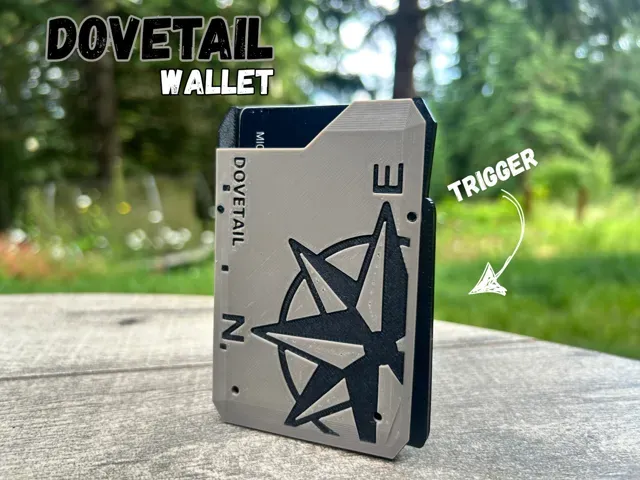
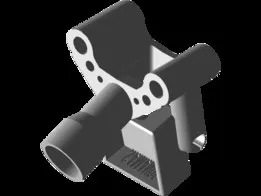
Dovetail Wallet - Trigger - Minimalist Survival
MakerWorld
This collection gathers 3D models built around the dovetail joint: sliding drawer systems, puzzle boxes, gridfinity bases, jigs and small functional parts. It is useful when a printed assembly has to hold together without screws or when a joint has to slide and still stay aligned. Each listing links to the author's page, where the geometry and settings for 3D printing are described. Polyzon does not confirm whether models are free, their price, license, official status, affiliation, safety or fitness. Check the current terms at the source.
このコレクションの本文は英語で書かれています。検索自体はどの言語でも使えます。
 Polyzonのコレクション · モデル47件 7サイトから収集
このコレクションは、Polyzonが対応サイトの検索結果をもとに作成しています。重複やプレビューのないモデルは除外し、関連性の低いものは後ろに回し、それ以外は検索結果の順に並べています。モデルの権利は各作者にあります。利用条件は各モデルのページでご確認ください。
選定基準:Polyzon編集部 · 本文の更新日:2026年10月12日


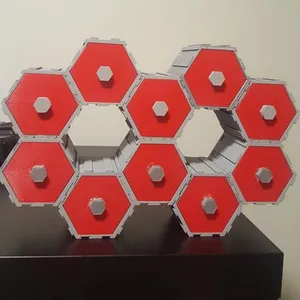

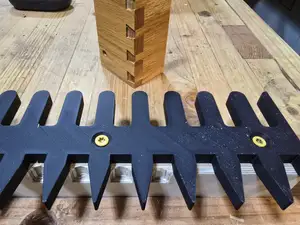


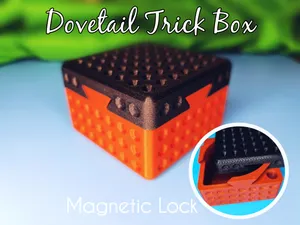
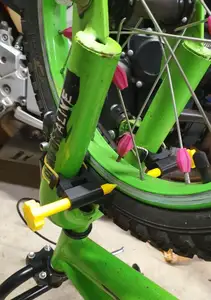

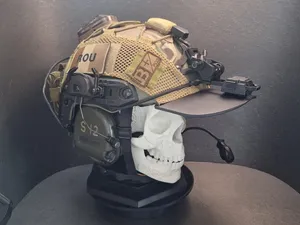

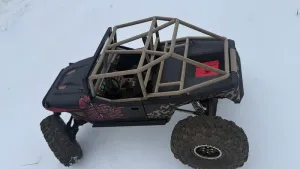
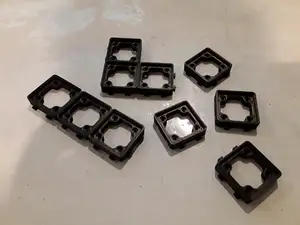

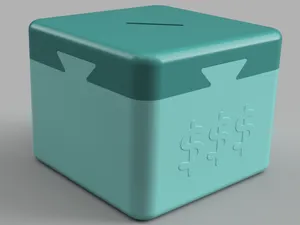
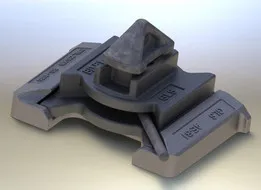
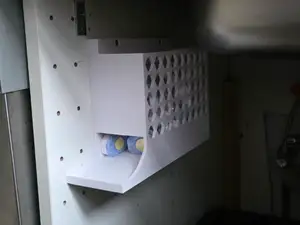
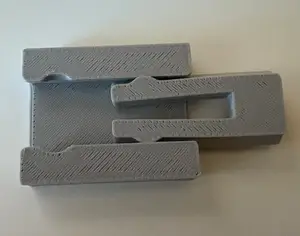


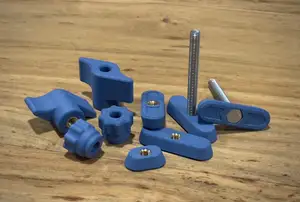
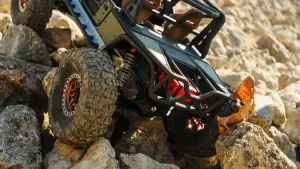


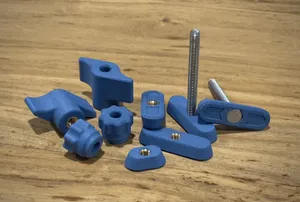


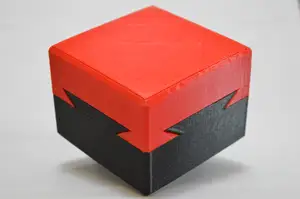

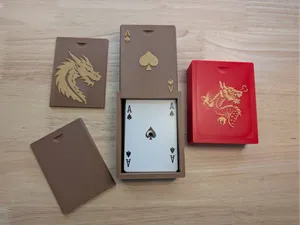


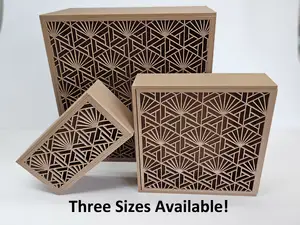
The models differ mainly in what the joint is asked to do. Storage and drawer designs use long sliding dovetails as rails, so parts move along one axis and stay captured. Puzzle and locking boxes use angled tabs that only close in one sequence, and jigs or markers use the same profile as a guide for cutting or layout. Gridfinity bases and toolbox organizers combine the joint with a standard grid, which changes how the parts stack.
When choosing a model, read the author's notes on scale and wall thickness, since a dovetail that fits at one size may bind or sit loose at another. Check how many separate parts the assembly has, whether the joint is meant to be glued or to slide, and how the model is oriented on the plate, because overhangs on the angled faces often decide whether supports are needed. Material choice matters too: rigid filaments hold sharp edges, while softer ones deform under load. Photos of real prints on the model page show the actual clearance better than renders.
To widen the search, try related terms such as sliding joint, finger joint, interlocking box, drawer insert, toolbox organizer, parametric jig or gridfinity base. Combining a joint name with the object it belongs to, for example a marker, a piggy bank or a trailer part, brings up models that use the profile for a specific task. Searching by the tool or the storage system rather than by the joint alone often returns more results.


暮らし・日用品からCNCまで、すべてのテーマをそろえたカタログ。対応サイトを横断して検索できます。