
Grátis 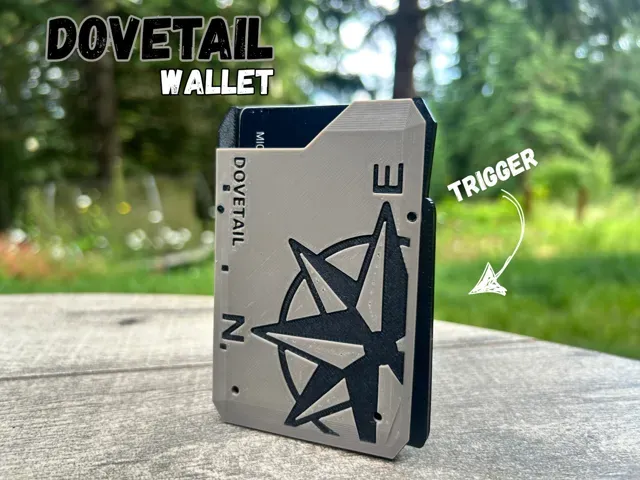
Dovetail Wallet - Trigger - Minimalist Survival
MakerWorld
This collection gathers 3D models built around the dovetail joint: sliding drawer systems, puzzle boxes, gridfinity bases, jigs and small functional parts. It is useful when a printed assembly has to hold together without screws or when a joint has to slide and still stay aligned. Each listing links to the author's page, where the geometry and settings for 3D printing are described. Polyzon does not confirm whether models are free, their price, license, official status, affiliation, safety or fitness. Check the current terms at the source.
O texto desta coleção está em inglês; a busca funciona em qualquer idioma.
 Uma coleção do Polyzon · 47 modelos de 7 sites
O Polyzon monta esta coleção a partir dos resultados de busca dos sites conectados. Repetições e modelos sem prévia são removidos, correspondências fracas vão para o final e o restante segue a ordem da busca. Os modelos pertencem aos seus autores — confira os termos na página de cada modelo.
Regras de seleção: equipe editorial do Polyzon · Texto atualizado em 12/10/2026


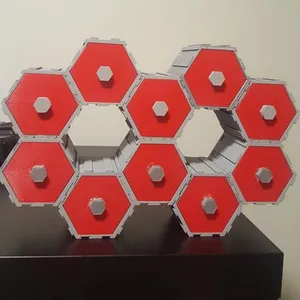

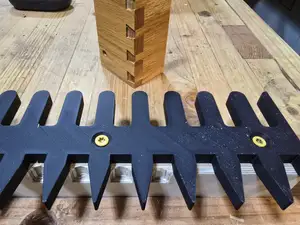


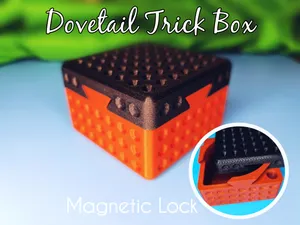

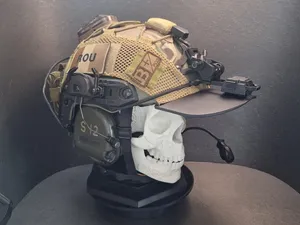

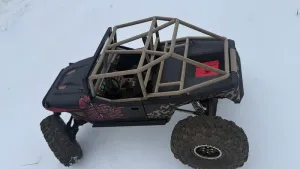
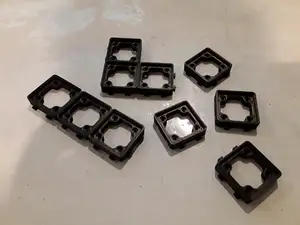

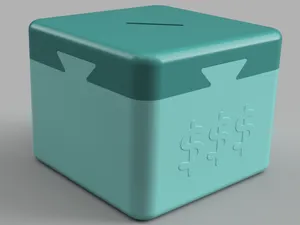
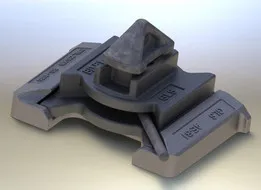
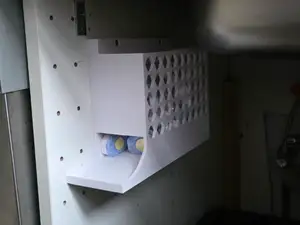
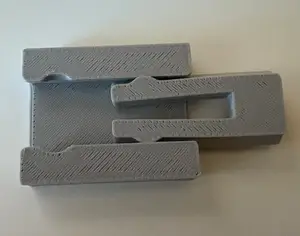


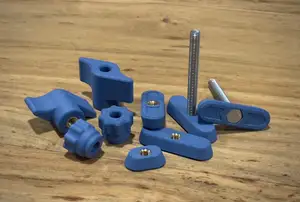



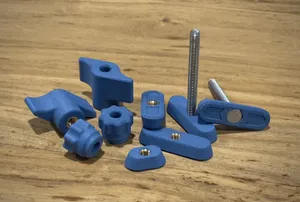


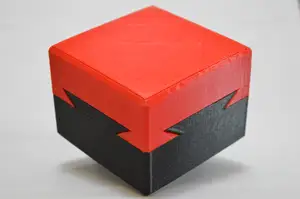

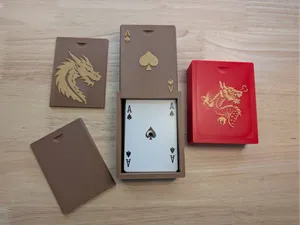


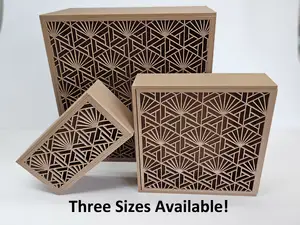
The models differ mainly in what the joint is asked to do. Storage and drawer designs use long sliding dovetails as rails, so parts move along one axis and stay captured. Puzzle and locking boxes use angled tabs that only close in one sequence, and jigs or markers use the same profile as a guide for cutting or layout. Gridfinity bases and toolbox organizers combine the joint with a standard grid, which changes how the parts stack.
When choosing a model, read the author's notes on scale and wall thickness, since a dovetail that fits at one size may bind or sit loose at another. Check how many separate parts the assembly has, whether the joint is meant to be glued or to slide, and how the model is oriented on the plate, because overhangs on the angled faces often decide whether supports are needed. Material choice matters too: rigid filaments hold sharp edges, while softer ones deform under load. Photos of real prints on the model page show the actual clearance better than renders.
To widen the search, try related terms such as sliding joint, finger joint, interlocking box, drawer insert, toolbox organizer, parametric jig or gridfinity base. Combining a joint name with the object it belongs to, for example a marker, a piggy bank or a trailer part, brings up models that use the profile for a specific task. Searching by the tool or the storage system rather than by the joint alone often returns more results.




O catálogo completo de temas — de casa e utilidades a CNC, com busca em todos os sites conectados.