無料 
Micrometer Stand
Thingiverse
This collection gathers STL files for stands that hold a micrometer steady on a bench, so the instrument stays upright and readable while you work. It also covers related holders for calipers and other measuring tools. The models differ in how the instrument is gripped, how the base is weighted and whether the stand is meant to sit flat or at an angle. Polyzon does not confirm whether models are free, their price, license, official status, affiliation, safety or fitness. Check the current terms at the source.
このコレクションの本文は英語で書かれています。検索自体はどの言語でも使えます。
 Polyzonのコレクション · モデル47件 4サイトから収集
このコレクションは、Polyzonが対応サイトの検索結果をもとに作成しています。重複やプレビューのないモデルは除外し、関連性の低いものは後ろに回し、それ以外は検索結果の順に並べています。モデルの権利は各作者にあります。利用条件は各モデルのページでご確認ください。
選定基準:Polyzon編集部 · 本文の更新日:2026年10月13日


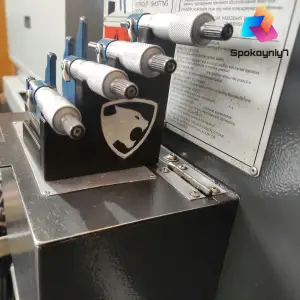


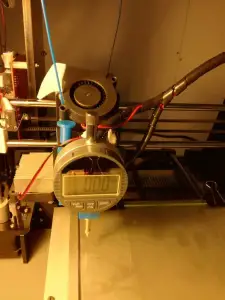


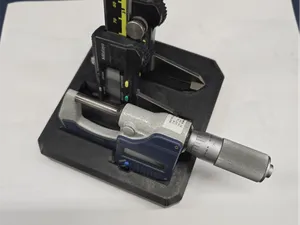
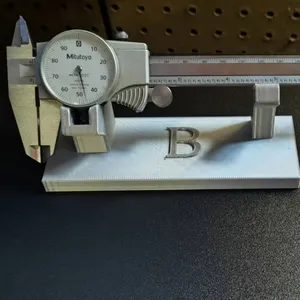

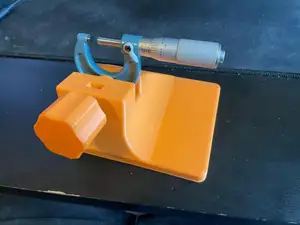
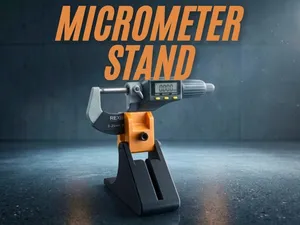
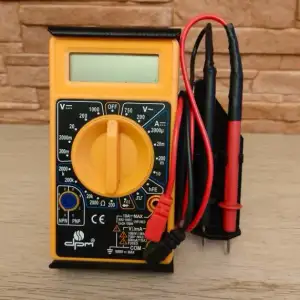

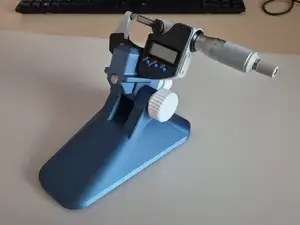
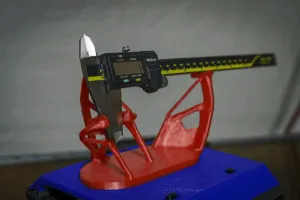

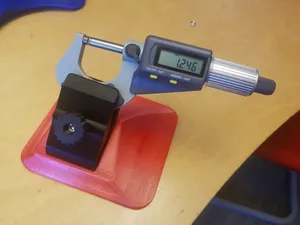
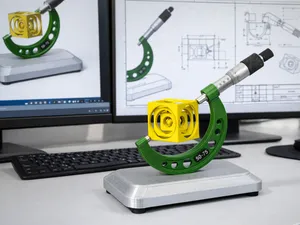
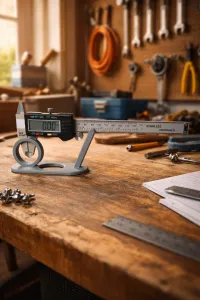

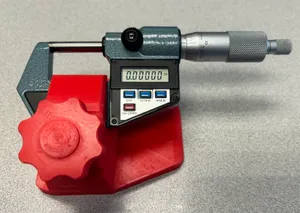
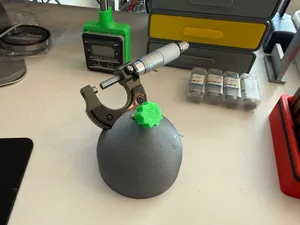
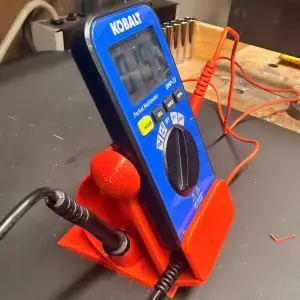


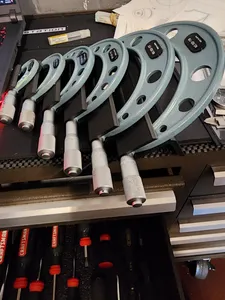
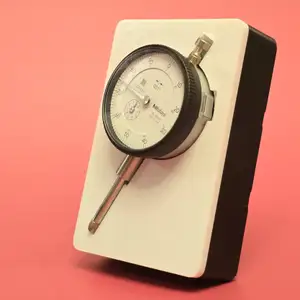


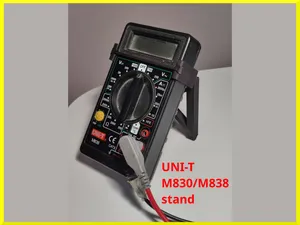
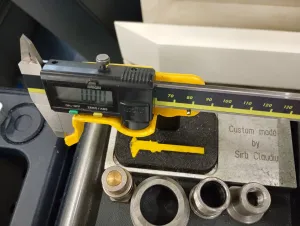

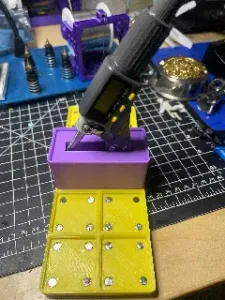
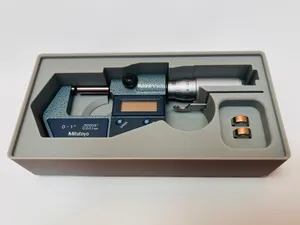
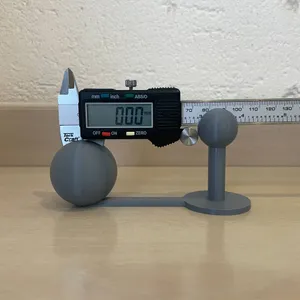


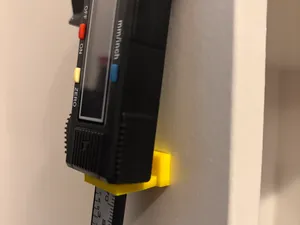
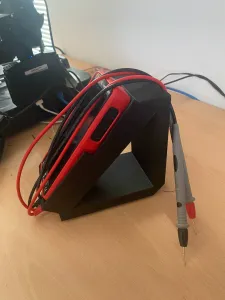
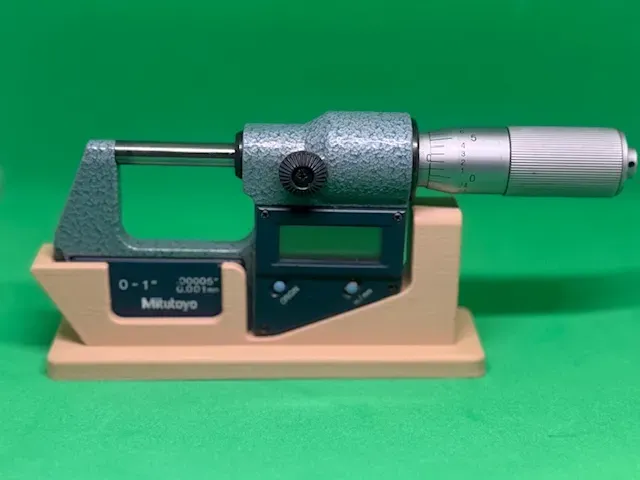
The most common kind is a simple desk stand with a slot or cradle that takes the frame of a micrometer and keeps it vertical. Others tilt the instrument, often to a fixed angle, so the scale faces the person measuring. A third group combines a caliper rest with a micrometer holder, and some designs add a magnetic or heavy base to keep the stand from sliding. Holders for multimeters and similar instruments appear alongside these, since they solve the same problem of keeping a tool in place on a workbench.
When choosing a model, look at the dimensions the author lists and compare them with your instrument: frame thickness, spindle length and the diameter of the barrel all affect whether a cradle fits. Check how many parts the stand has, whether they are glued, screwed or pressed together, and whether the print needs supports. The material and settings the author recommends matter too, since a thin clip or a tall angled arm behaves differently in a stiff filament than in a flexible one. Photos of real prints on the model page usually show more about fit and finish than a render does.
To widen the search, try the terms people use for the same object: holder, cradle, rest, bracket, base or clip, and the instrument names micrometer, caliper, vernier and dial gauge. Adding a use case such as desk, bench, magnetic or angled narrows the results. Related topics worth browsing include workshop tool organizers, measuring-tool trays and printer-part holders, which often reuse the same clamp and base ideas.




暮らし・日用品からCNCまで、すべてのテーマをそろえたカタログ。対応サイトを横断して検索できます。