Grátis 
Micrometer Stand
Thingiverse
This collection gathers STL files for stands that hold a micrometer steady on a bench, so the instrument stays upright and readable while you work. It also covers related holders for calipers and other measuring tools. The models differ in how the instrument is gripped, how the base is weighted and whether the stand is meant to sit flat or at an angle. Polyzon does not confirm whether models are free, their price, license, official status, affiliation, safety or fitness. Check the current terms at the source.
O texto desta coleção está em inglês; a busca funciona em qualquer idioma.
 Uma coleção do Polyzon · 47 modelos de 4 sites
O Polyzon monta esta coleção a partir dos resultados de busca dos sites conectados. Repetições e modelos sem prévia são removidos, correspondências fracas vão para o final e o restante segue a ordem da busca. Os modelos pertencem aos seus autores — confira os termos na página de cada modelo.
Regras de seleção: equipe editorial do Polyzon · Texto atualizado em 13/10/2026


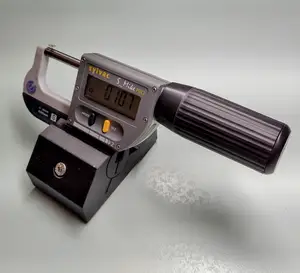
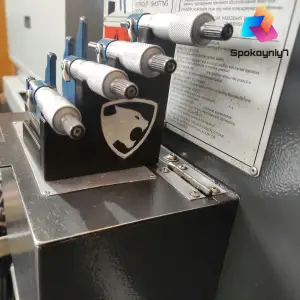


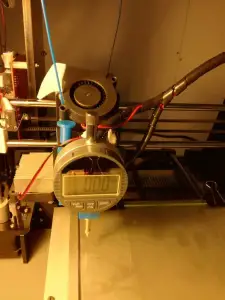


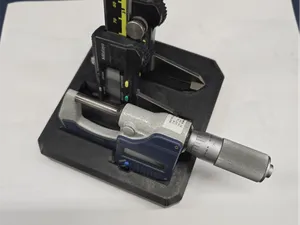
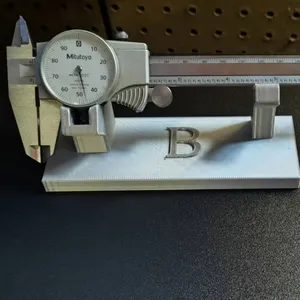

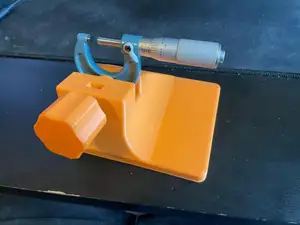
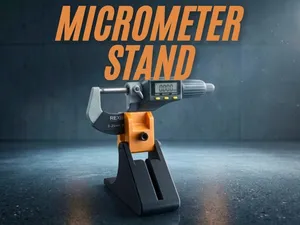
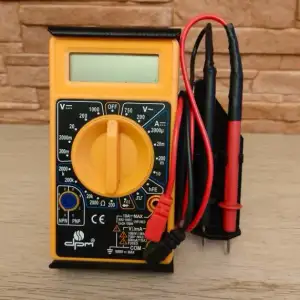

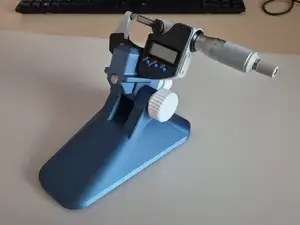
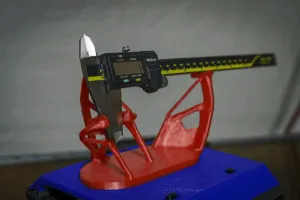

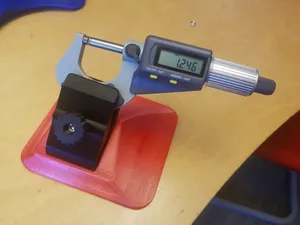
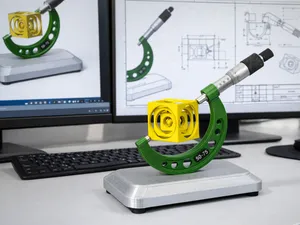
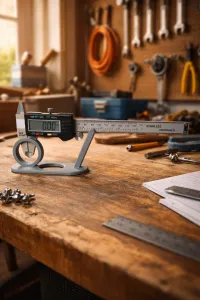

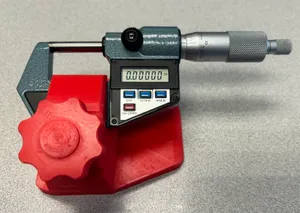
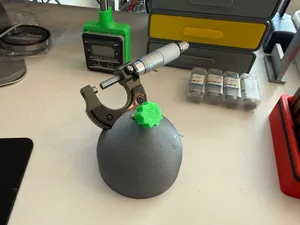
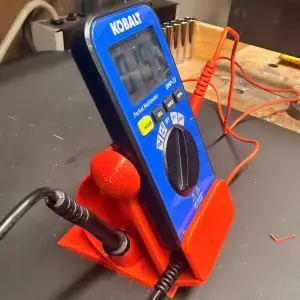


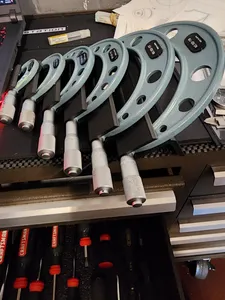
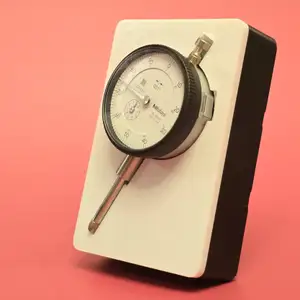


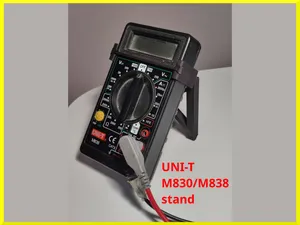
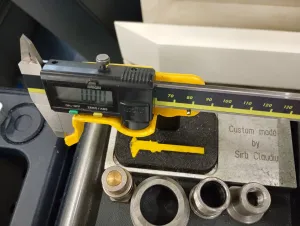

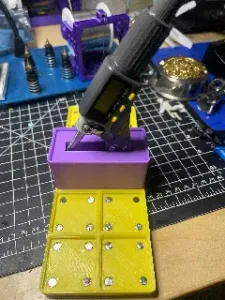
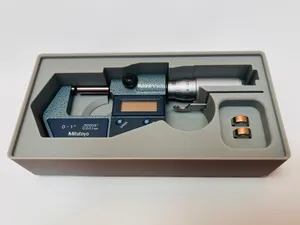
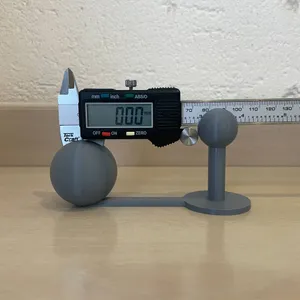


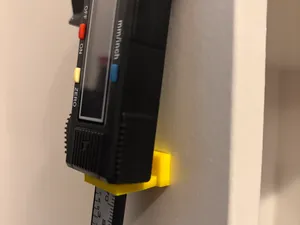
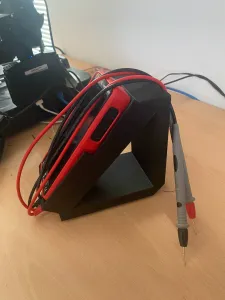
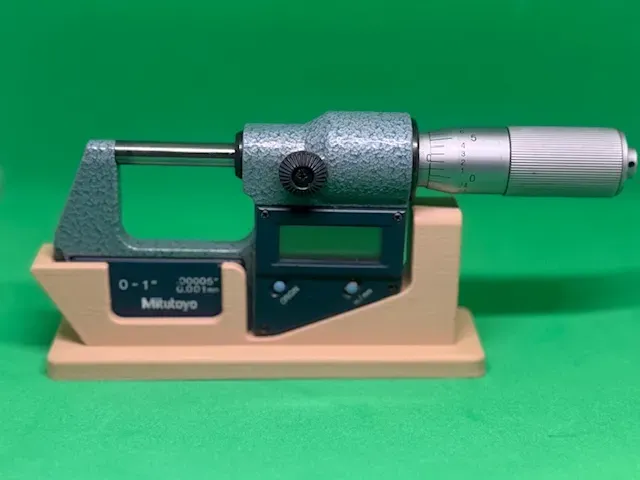
The most common kind is a simple desk stand with a slot or cradle that takes the frame of a micrometer and keeps it vertical. Others tilt the instrument, often to a fixed angle, so the scale faces the person measuring. A third group combines a caliper rest with a micrometer holder, and some designs add a magnetic or heavy base to keep the stand from sliding. Holders for multimeters and similar instruments appear alongside these, since they solve the same problem of keeping a tool in place on a workbench.
When choosing a model, look at the dimensions the author lists and compare them with your instrument: frame thickness, spindle length and the diameter of the barrel all affect whether a cradle fits. Check how many parts the stand has, whether they are glued, screwed or pressed together, and whether the print needs supports. The material and settings the author recommends matter too, since a thin clip or a tall angled arm behaves differently in a stiff filament than in a flexible one. Photos of real prints on the model page usually show more about fit and finish than a render does.
To widen the search, try the terms people use for the same object: holder, cradle, rest, bracket, base or clip, and the instrument names micrometer, caliper, vernier and dial gauge. Adding a use case such as desk, bench, magnetic or angled narrows the results. Related topics worth browsing include workshop tool organizers, measuring-tool trays and printer-part holders, which often reuse the same clamp and base ideas.




O catálogo completo de temas — de casa e utilidades a CNC, com busca em todos os sites conectados.