
無料 
Прозрачные пластиковые мундштуки
Cults3D
This collection gathers STL models that use transparent or translucent plastic, from test pieces and holders to decorative objects and props. It helps you compare how different shapes and wall thicknesses look in clear materials. You can refine the results with terms such as translucent, clear, PETG, or acrylic. Polyzon does not confirm whether models are free, their price, license, official status, affiliation, safety or fitness. Check the current terms at the source.
このコレクションの本文は英語で書かれています。検索自体はどの言語でも使えます。
 Polyzonのコレクション · モデル48件 6サイトから収集
このコレクションは、Polyzonが対応サイトの検索結果をもとに作成しています。重複やプレビューのないモデルは除外し、関連性の低いものは後ろに回し、それ以外は検索結果の順に並べています。モデルの権利は各作者にあります。利用条件は各モデルのページでご確認ください。
選定基準:Polyzon編集部 · 本文の更新日:2026年10月14日
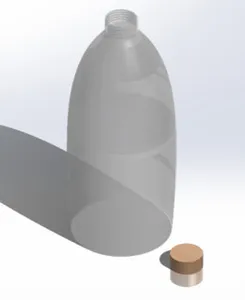

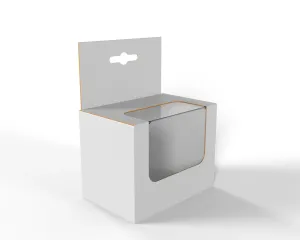
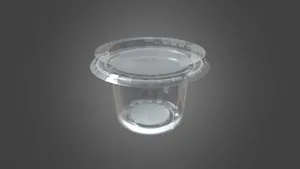

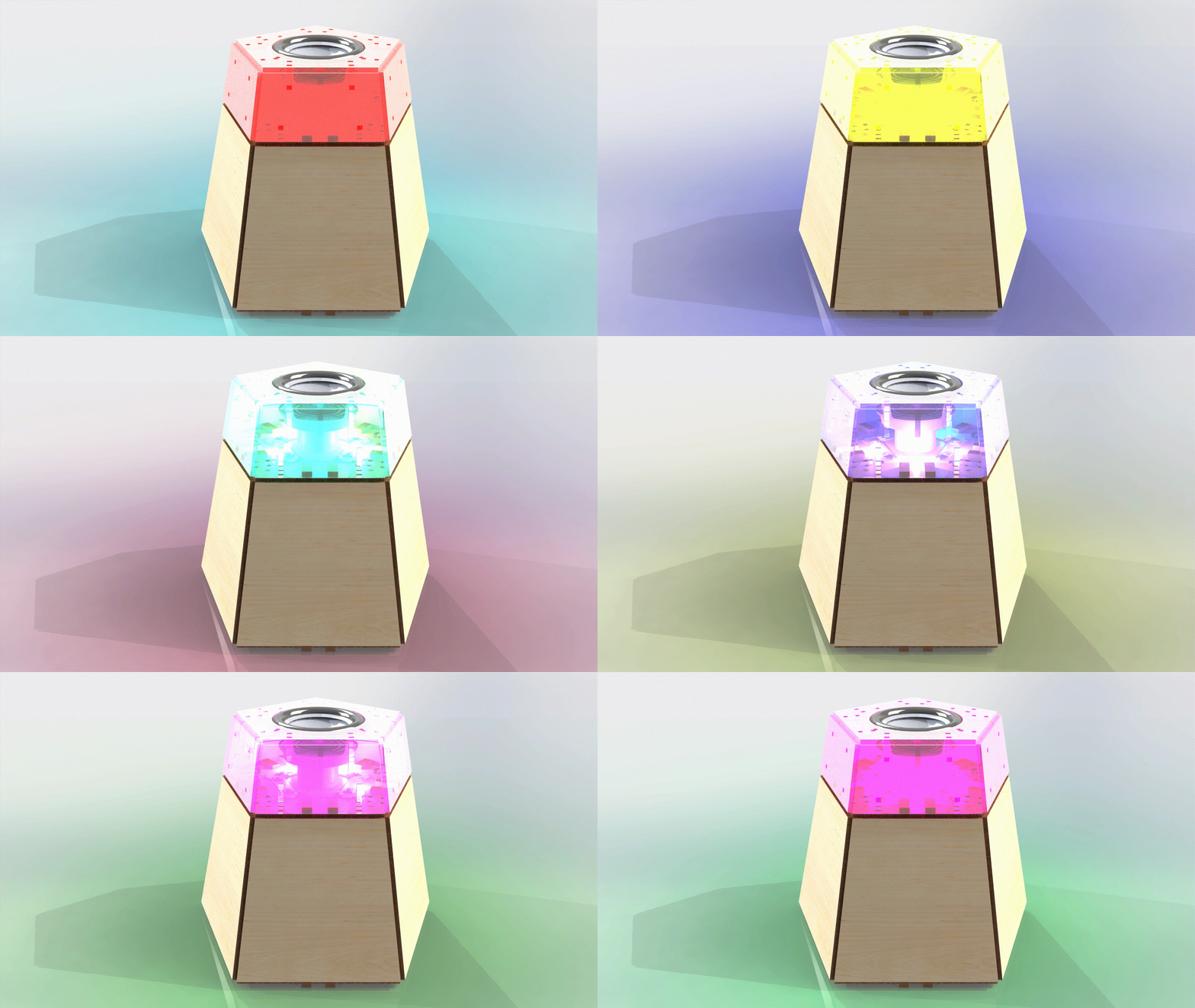
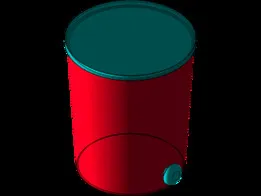





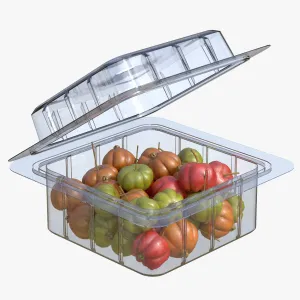
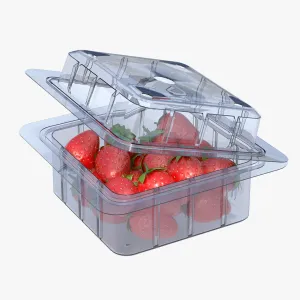




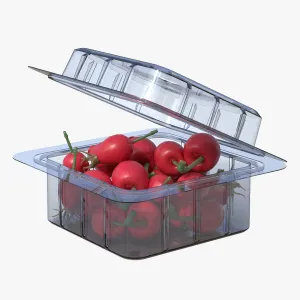

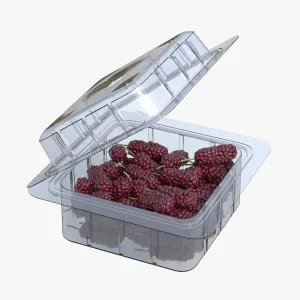
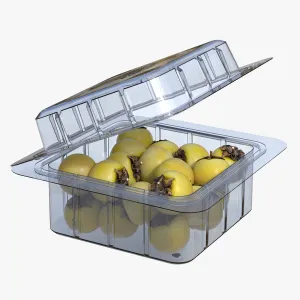
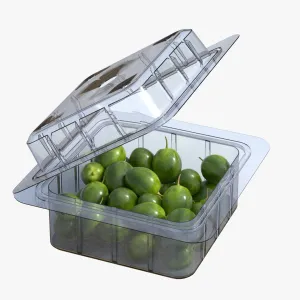


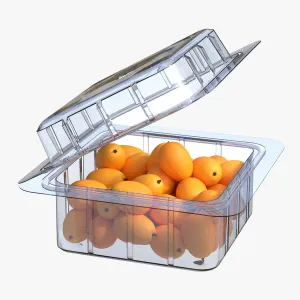

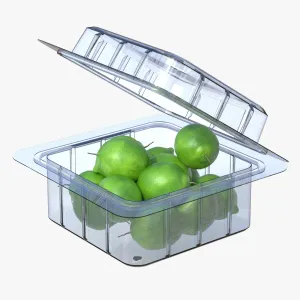

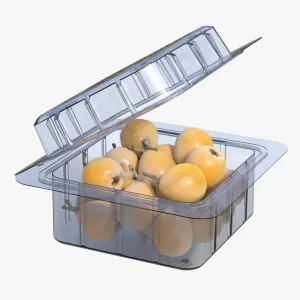
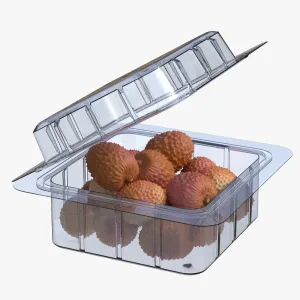
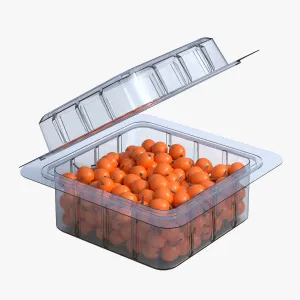

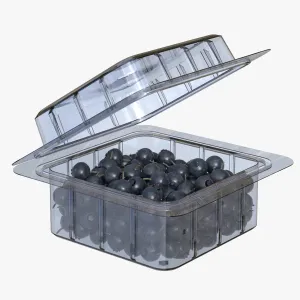

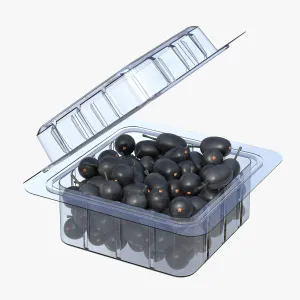
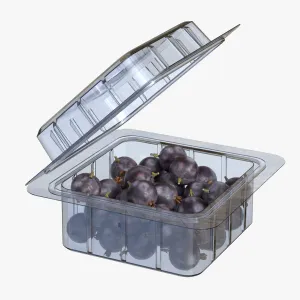
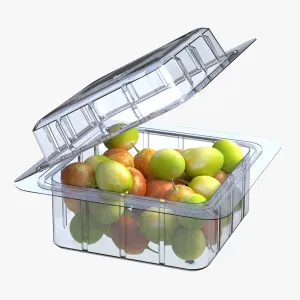
Common groups include test prints for clear filaments, holders and stands, vases and decorative shapes, bag-like props, and covers or shields. They differ mainly in wall thickness, geometry, and how much light passes through the surface. Test pieces often use simple flat or stepped forms, while decorative and prop models use curves, hollow areas, or thin sections that change the look of the material.
When choosing a model, look at the size and scale, the number of parts and how they join, and whether the author lists support structures or a particular material and settings. For transparent results, layer height, extrusion consistency, and wall count matter more than for opaque prints, because gaps and uneven layers scatter light. Photos of real prints on the model page show how the finished piece looks in clear or translucent plastic.
To narrow the search, try synonyms such as clear, translucent, see-through, and crystal, along with material terms like PETG, acrylic, or resin. Related topics include light guides, display stands, vases, and protective covers. Combining a shape term with a material term usually gives a shorter list than using a single broad word.



暮らし・日用品からCNCまで、すべてのテーマをそろえたカタログ。対応サイトを横断して検索できます。