
免费 
Прозрачные пластиковые мундштуки
Cults3D
This collection gathers STL models that use transparent or translucent plastic, from test pieces and holders to decorative objects and props. It helps you compare how different shapes and wall thicknesses look in clear materials. You can refine the results with terms such as translucent, clear, PETG, or acrylic. Polyzon does not confirm whether models are free, their price, license, official status, affiliation, safety or fitness. Check the current terms at the source.
本合集的文字为英文,搜索本身支持任何语言。
 Polyzon合集 · 48个模型 来自6个平台
此合集由Polyzon根据已接入平台的搜索结果整理而成:去除重复项和没有预览图的模型,匹配度低的排在最后,其余按搜索结果顺序排列。模型归作者所有——请在各模型页面查看使用条款。
筛选规则:Polyzon编辑部 · 文字更新于2026年10月14日


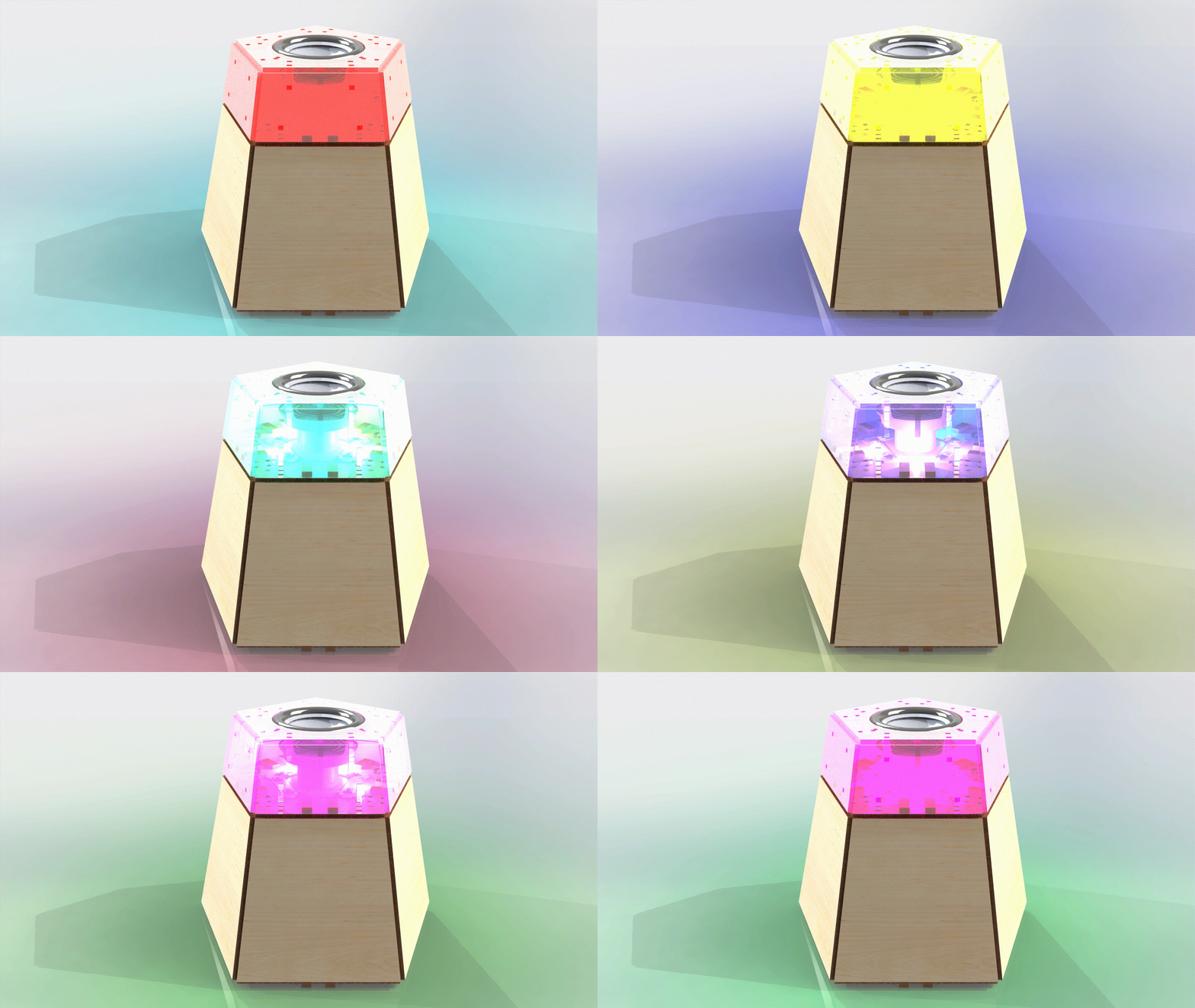
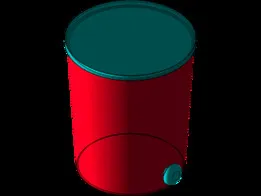





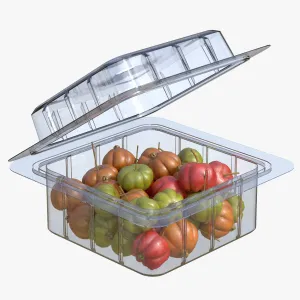
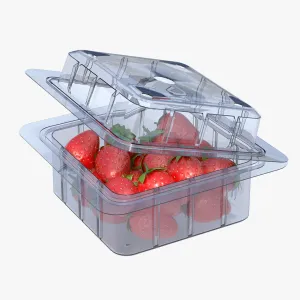




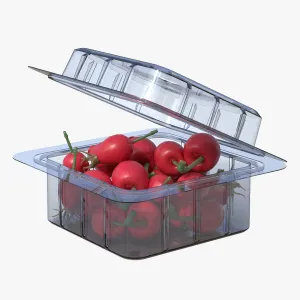

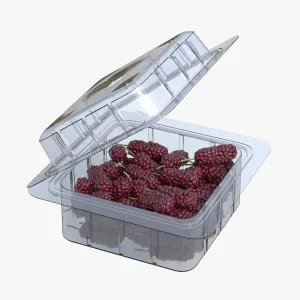
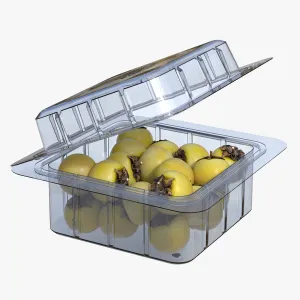
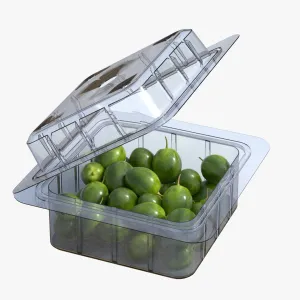


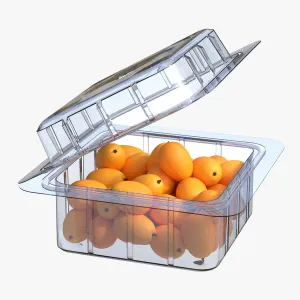

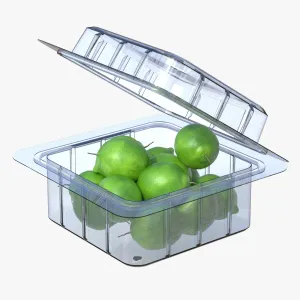

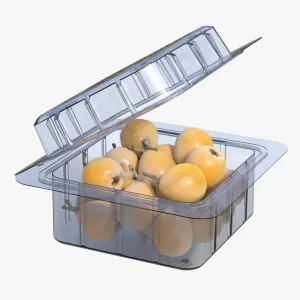
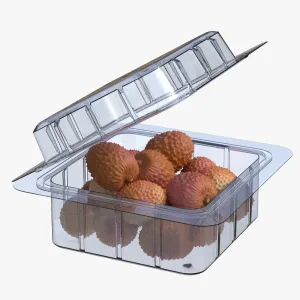
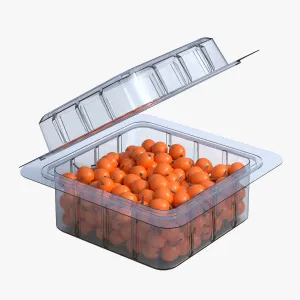

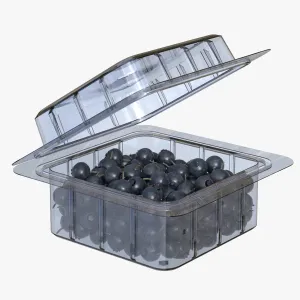

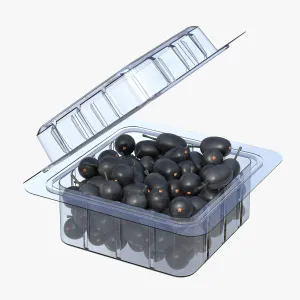
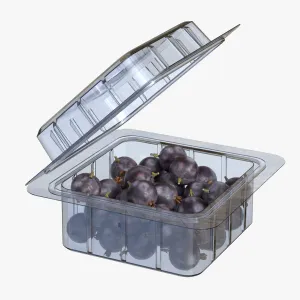
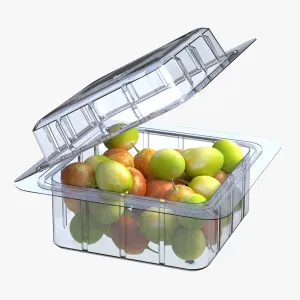
Common groups include test prints for clear filaments, holders and stands, vases and decorative shapes, bag-like props, and covers or shields. They differ mainly in wall thickness, geometry, and how much light passes through the surface. Test pieces often use simple flat or stepped forms, while decorative and prop models use curves, hollow areas, or thin sections that change the look of the material.
When choosing a model, look at the size and scale, the number of parts and how they join, and whether the author lists support structures or a particular material and settings. For transparent results, layer height, extrusion consistency, and wall count matter more than for opaque prints, because gaps and uneven layers scatter light. Photos of real prints on the model page show how the finished piece looks in clear or translucent plastic.
To narrow the search, try synonyms such as clear, translucent, see-through, and crystal, along with material terms like PETG, acrylic, or resin. Related topics include light guides, display stands, vases, and protective covers. Combining a shape term with a material term usually gives a shorter list than using a single broad word.
完整的主题目录:从家居日用到CNC,均可在已接入的来源平台中搜索。