
無料 
Robot Saddle
Thingiverse
This collection gathers 3D models of robots built around plastic building bricks: figures, walking machines, arms and gear sets. Most files are made for desktop 3D printing, and many are split into parts that go together after the print. It is a useful starting point if you want a robot that mixes printed pieces with the bricks you already have. Polyzon does not confirm whether models are free, their price, license, official status, affiliation, safety or fitness. Check the current terms at the source.
このコレクションの本文は英語で書かれています。検索自体はどの言語でも使えます。
 Polyzonのコレクション · モデル47件 4サイトから収集
このコレクションは、Polyzonが対応サイトの検索結果をもとに作成しています。重複やプレビューのないモデルは除外し、関連性の低いものは後ろに回し、それ以外は検索結果の順に並べています。モデルの権利は各作者にあります。利用条件は各モデルのページでご確認ください。
選定基準:Polyzon編集部 · 本文の更新日:2026年10月14日




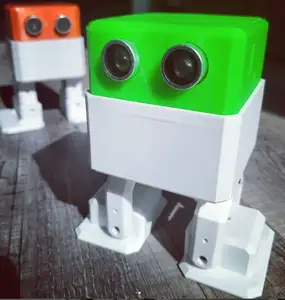
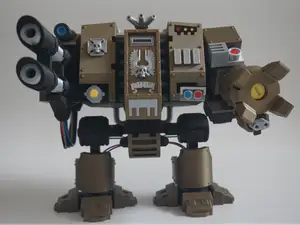


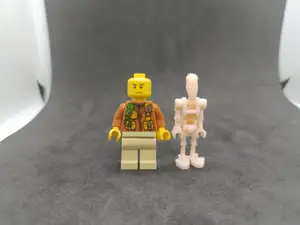


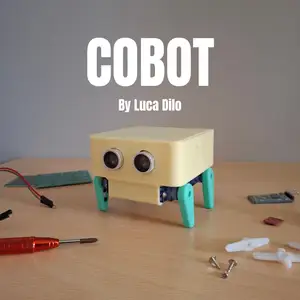
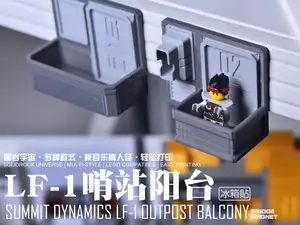


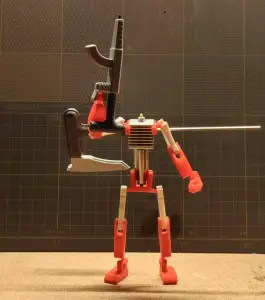




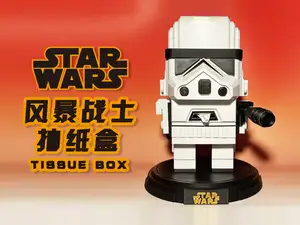

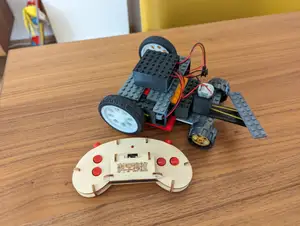
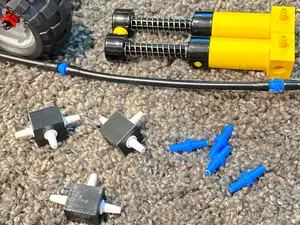


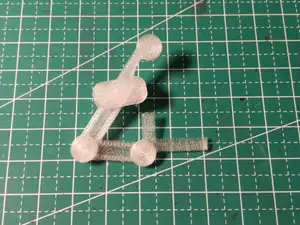


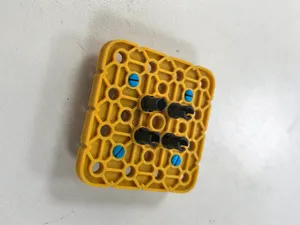


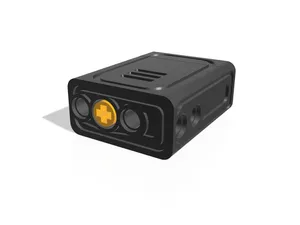
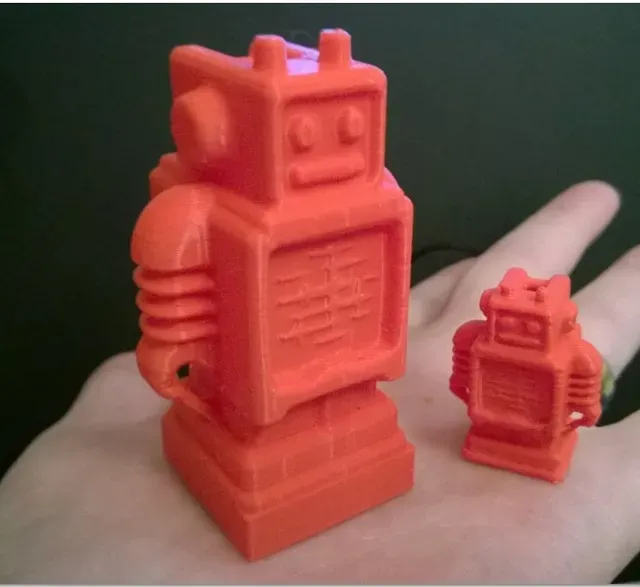
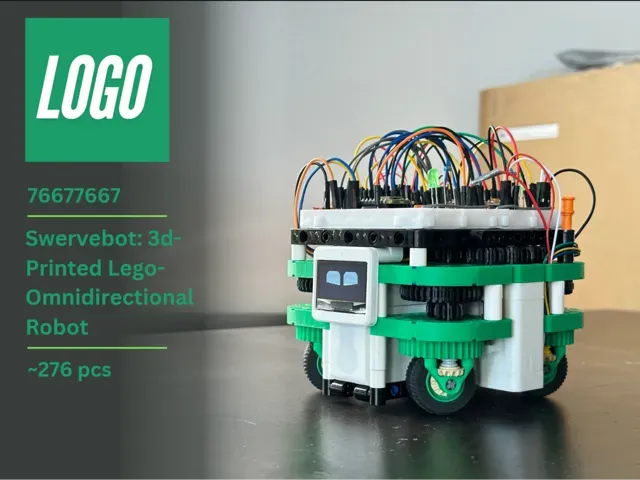
Brick-based robot figures and characters form one group: small humanoid or droid-style bodies where printed parts replace or extend standard bricks. A second group is walking robots, from two-legged frames to multi-legged walkers driven by servos. There are also functional pieces — robot arms, gear racks, pinion sets and parametric bricks that link printed mechanisms to a brick system.
Before printing, look at the model page for scale and part count: some robots are a single print, others are a dozen pieces that need assembly. Check whether the author lists supports, layer height, material and tolerances, because brick connections depend on small dimensional differences. Photos of finished prints show how studs, pins and joints actually fit.
To narrow the results, try related terms such as brick robot, stud-based figure, walking robot, robot arm, servo bracket or technic-style gear. Adding a function or a size — biped, four-legged, micro, modular — usually returns a smaller and more useful set. If you want a platform to program rather than a figure, search for microcontroller-based robot kits instead.
For servo-driven or microcontroller builds, the model page usually names the motors, boards and screws the author used, so you can gather those parts before printing the frame. Small bipeds and print-in-place mechanisms are generally designed for FDM printers, but build volume and support needs vary from file to file. Scaling a brick-based model changes stud and hole sizes, so print at the listed size unless you plan to rework the joints yourself.


暮らし・日用品からCNCまで、すべてのテーマをそろえたカタログ。対応サイトを横断して検索できます。