
Gratis 
Robot Saddle
Thingiverse
This collection gathers 3D models of robots built around plastic building bricks: figures, walking machines, arms and gear sets. Most files are made for desktop 3D printing, and many are split into parts that go together after the print. It is a useful starting point if you want a robot that mixes printed pieces with the bricks you already have. Polyzon does not confirm whether models are free, their price, license, official status, affiliation, safety or fitness. Check the current terms at the source.
Il testo di questa raccolta è in inglese; la ricerca funziona in qualsiasi lingua.
 Una raccolta di Polyzon · 47 modelli da 4 siti
Polyzon compone questa raccolta a partire dai risultati di ricerca dei siti collegati. I doppioni e i modelli senza anteprima vengono rimossi, le corrispondenze deboli finiscono in fondo e il resto mantiene l’ordine dei risultati. I modelli appartengono ai rispettivi autori: verifica le condizioni sulla pagina di ciascun modello.
Criteri di selezione a cura della redazione di Polyzon · Testo aggiornato: 14/10/2026


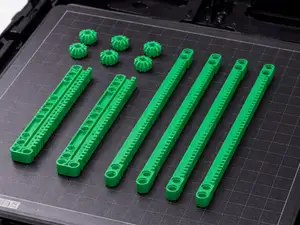


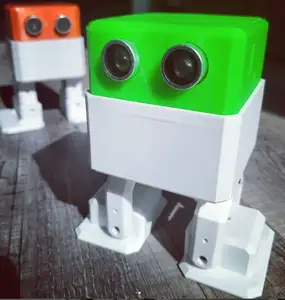
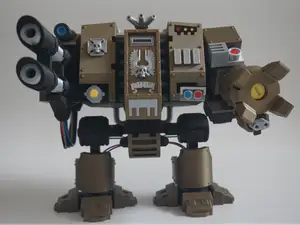


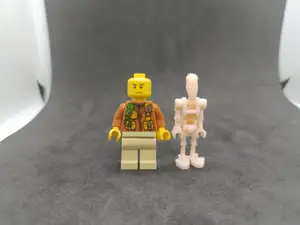


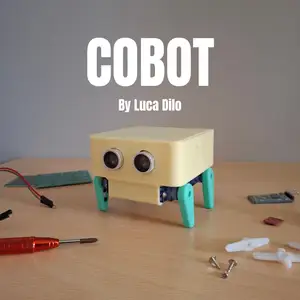
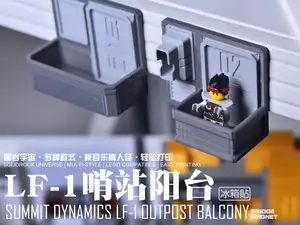


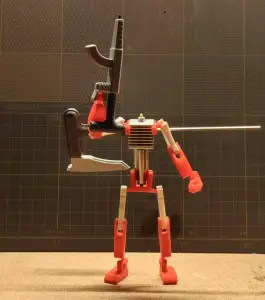






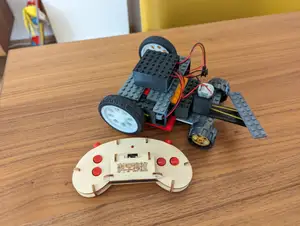
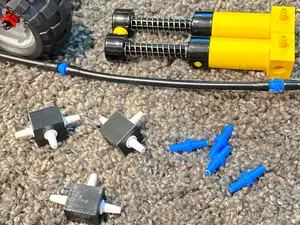


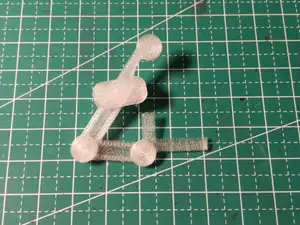


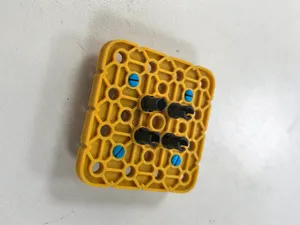


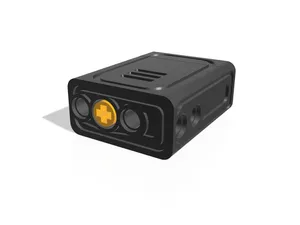
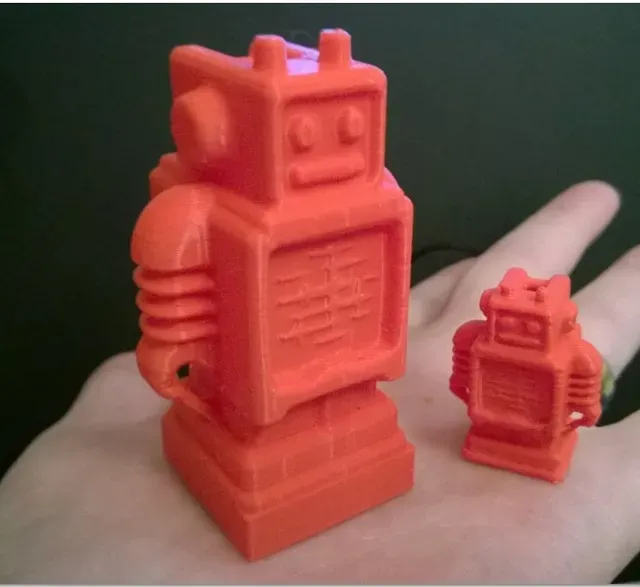
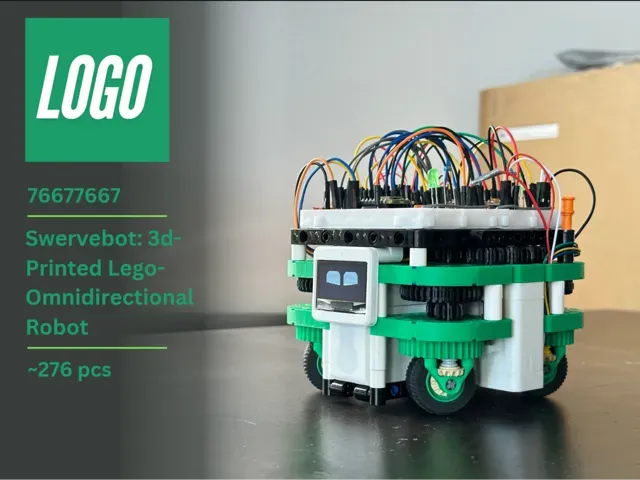
Brick-based robot figures and characters form one group: small humanoid or droid-style bodies where printed parts replace or extend standard bricks. A second group is walking robots, from two-legged frames to multi-legged walkers driven by servos. There are also functional pieces — robot arms, gear racks, pinion sets and parametric bricks that link printed mechanisms to a brick system.
Before printing, look at the model page for scale and part count: some robots are a single print, others are a dozen pieces that need assembly. Check whether the author lists supports, layer height, material and tolerances, because brick connections depend on small dimensional differences. Photos of finished prints show how studs, pins and joints actually fit.
To narrow the results, try related terms such as brick robot, stud-based figure, walking robot, robot arm, servo bracket or technic-style gear. Adding a function or a size — biped, four-legged, micro, modular — usually returns a smaller and more useful set. If you want a platform to program rather than a figure, search for microcontroller-based robot kits instead.
For servo-driven or microcontroller builds, the model page usually names the motors, boards and screws the author used, so you can gather those parts before printing the frame. Small bipeds and print-in-place mechanisms are generally designed for FDM printers, but build volume and support needs vary from file to file. Scaling a brick-based model changes stud and hole sizes, so print at the listed size unless you plan to rework the joints yourself.


Il catalogo completo dei temi, dalla casa alla lavorazione CNC, con ricerca su tutti i siti collegati.