
無料 
Bionicle - Titans: Brutaka
Thingiverse
This collection gathers 3D printing models built around ball-and-socket connections: steering arms with tow ball sockets, adapter arms, adjustable pivots and mount arms. Most of them are small mechanical parts, so the useful question is not what they look like but how the joint is captured and how the arm transfers load. The STL files here come from several platforms, and each listing carries its own scale and hardware notes. Polyzon does not confirm whether models are free, their price, license, official status, affiliation, safety or fitness. Check the current terms at the source.
このコレクションの本文は英語で書かれています。検索自体はどの言語でも使えます。
 Polyzonのコレクション · モデル40件 2サイトから収集
このコレクションは、Polyzonが対応サイトの検索結果をもとに作成しています。重複やプレビューのないモデルは除外し、関連性の低いものは後ろに回し、それ以外は検索結果の順に並べています。モデルの権利は各作者にあります。利用条件は各モデルのページでご確認ください。
選定基準:Polyzon編集部 · 本文の更新日:2026年10月14日
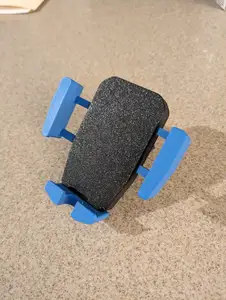

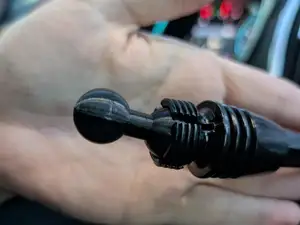

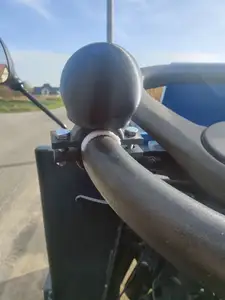

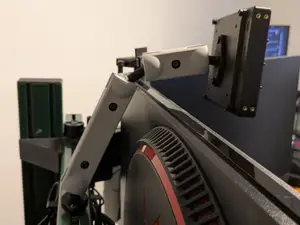

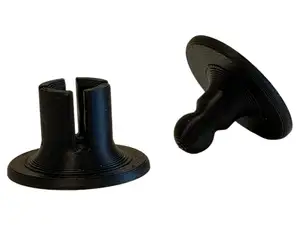

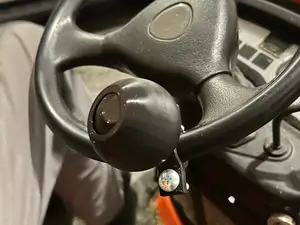

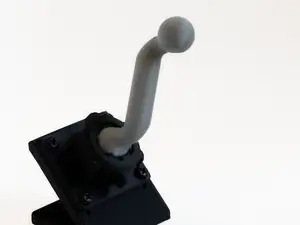

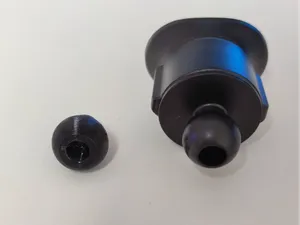

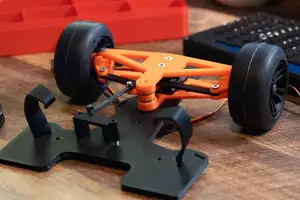


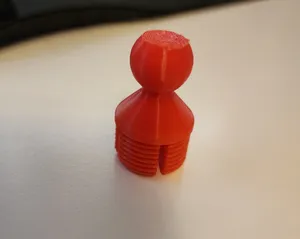

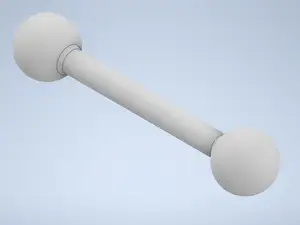

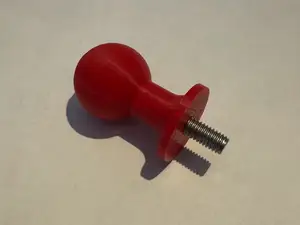

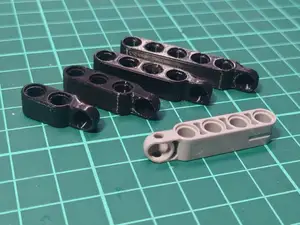

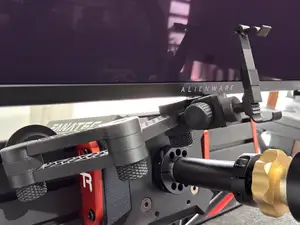

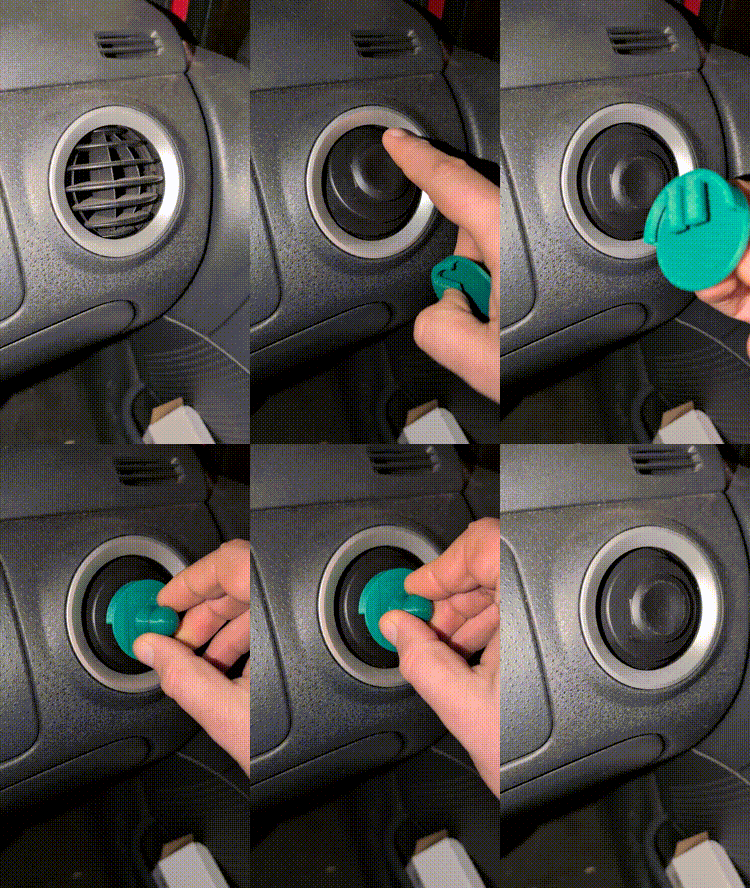

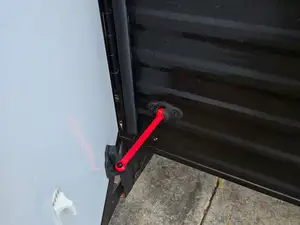

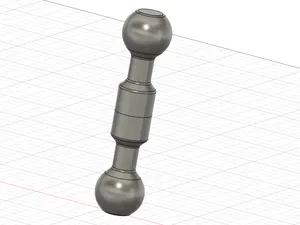

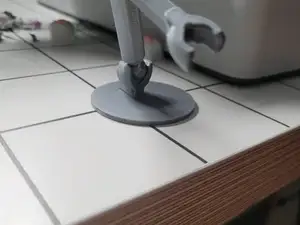
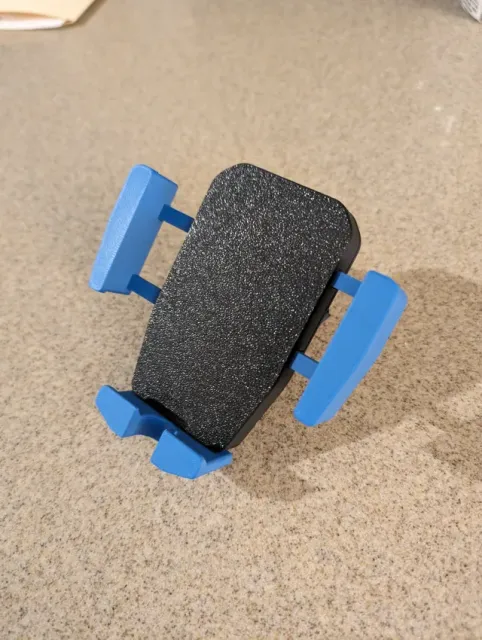
The parts fall into a few groups. Steering arms and linkage pieces are shaped around a socket that clips or bolts onto a ball, often paired with a servo horn or a tie rod. Mount arms use the same idea for holding a device, with a ball at one end and a plate or clamp at the other. Adapter arms connect two balls of different diameters, and adjustable pivots add a screw or a locking nut so the angle can be set and held.
When you open a model page, check the stated scale and the spacing between pivot points, since a part drawn for one chassis rarely lines up with another. Look at how the socket is retained: some designs rely on the elasticity of the plastic, others use a nut, a cap or a separate pin. The number of parts, the assembly order and whether the author expects supports all affect how the print behaves. Material and settings matter too, because a socket printed in a stiff filament and one printed in a flexible filament grip the ball differently, and wall thickness around the socket decides how much it can flex before it cracks. Photos of real prints are the quickest way to judge clearance and surface finish.
If the results are thin, try the words used for the same geometry elsewhere: ball joint, pivot, linkage, tie rod, socket arm, swivel adapter, servo arm. Searching by function rather than by name helps, for example steering linkage, phone mount arm or robot joint. Related topics such as RC chassis parts, holder brackets and articulated robot limbs often contain the same socket dimensions, so it is worth browsing those collections as well.
暮らし・日用品からCNCまで、すべてのテーマをそろえたカタログ。対応サイトを横断して検索できます。