
免费 
Bionicle - Titans: Brutaka
Thingiverse
This collection gathers 3D printing models built around ball-and-socket connections: steering arms with tow ball sockets, adapter arms, adjustable pivots and mount arms. Most of them are small mechanical parts, so the useful question is not what they look like but how the joint is captured and how the arm transfers load. The STL files here come from several platforms, and each listing carries its own scale and hardware notes. Polyzon does not confirm whether models are free, their price, license, official status, affiliation, safety or fitness. Check the current terms at the source.
本合集的文字为英文,搜索本身支持任何语言。
 Polyzon合集 · 40个模型 来自2个平台
此合集由Polyzon根据已接入平台的搜索结果整理而成:去除重复项和没有预览图的模型,匹配度低的排在最后,其余按搜索结果顺序排列。模型归作者所有——请在各模型页面查看使用条款。
筛选规则:Polyzon编辑部 · 文字更新于2026年10月14日
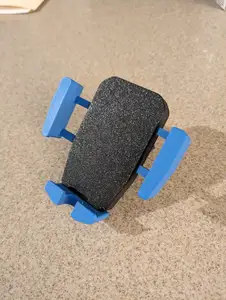

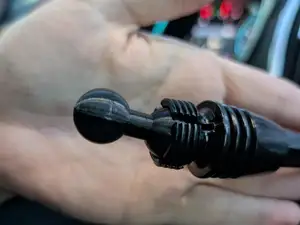

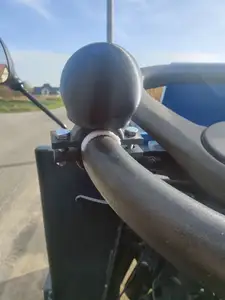

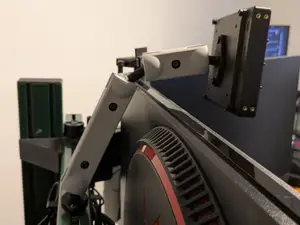

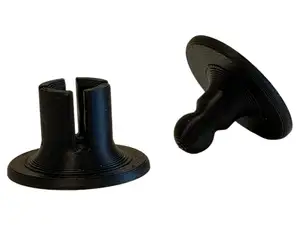

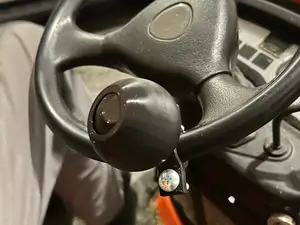

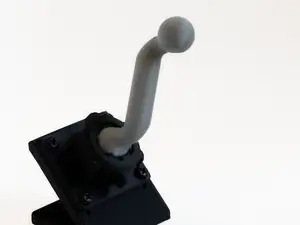

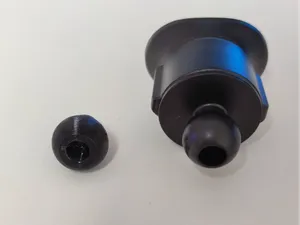

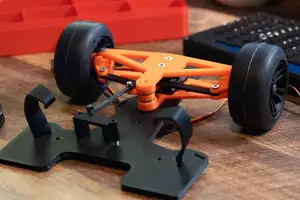


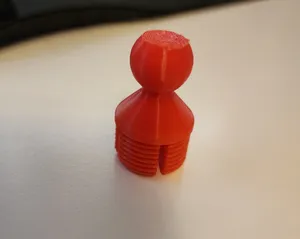

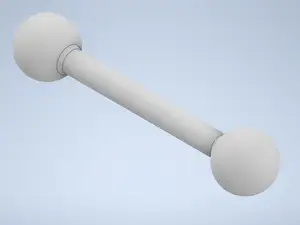

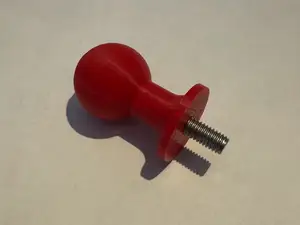

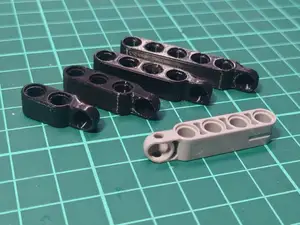

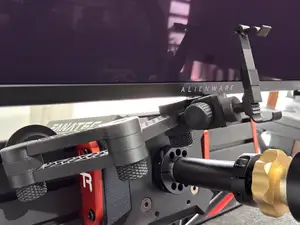

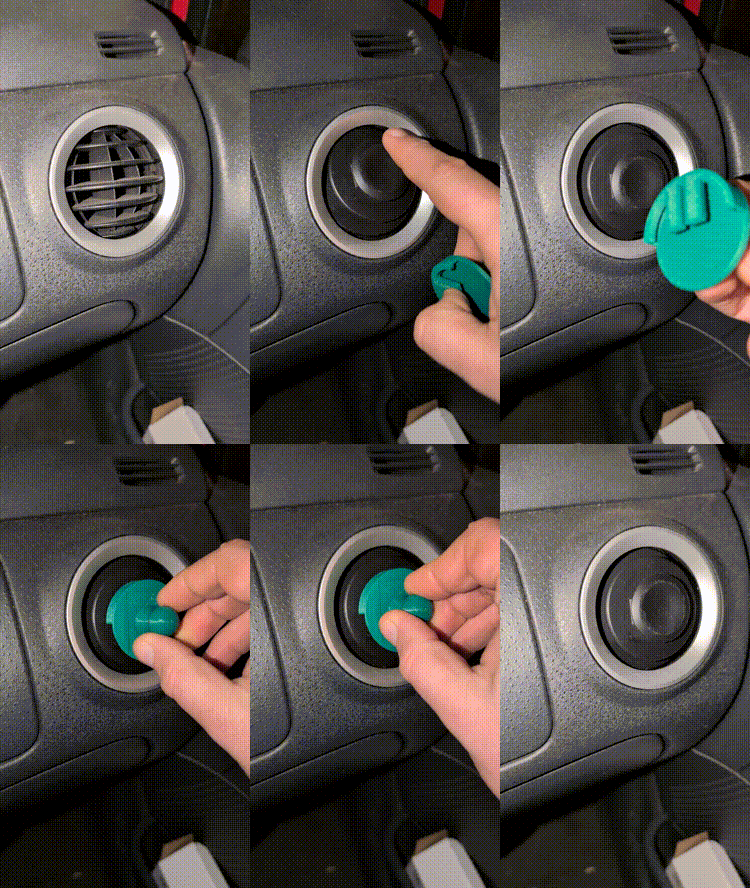

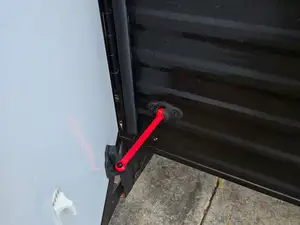

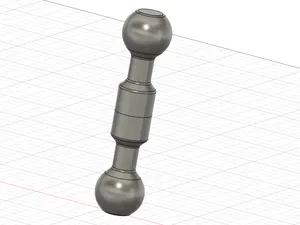

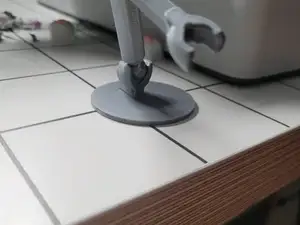
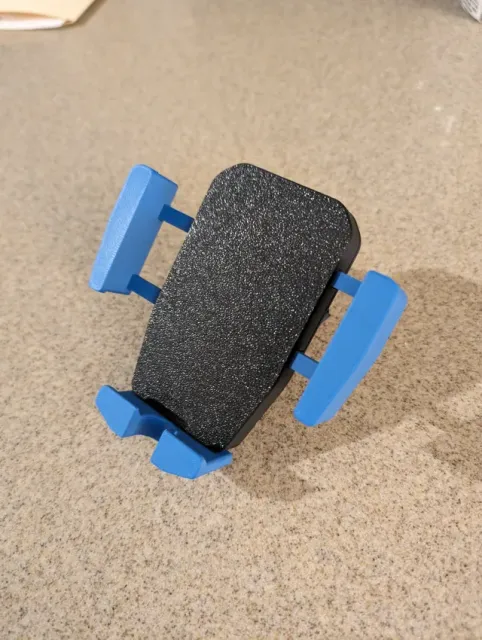
The parts fall into a few groups. Steering arms and linkage pieces are shaped around a socket that clips or bolts onto a ball, often paired with a servo horn or a tie rod. Mount arms use the same idea for holding a device, with a ball at one end and a plate or clamp at the other. Adapter arms connect two balls of different diameters, and adjustable pivots add a screw or a locking nut so the angle can be set and held.
When you open a model page, check the stated scale and the spacing between pivot points, since a part drawn for one chassis rarely lines up with another. Look at how the socket is retained: some designs rely on the elasticity of the plastic, others use a nut, a cap or a separate pin. The number of parts, the assembly order and whether the author expects supports all affect how the print behaves. Material and settings matter too, because a socket printed in a stiff filament and one printed in a flexible filament grip the ball differently, and wall thickness around the socket decides how much it can flex before it cracks. Photos of real prints are the quickest way to judge clearance and surface finish.
If the results are thin, try the words used for the same geometry elsewhere: ball joint, pivot, linkage, tie rod, socket arm, swivel adapter, servo arm. Searching by function rather than by name helps, for example steering linkage, phone mount arm or robot joint. Related topics such as RC chassis parts, holder brackets and articulated robot limbs often contain the same socket dimensions, so it is worth browsing those collections as well.
完整的主题目录:从家居日用到CNC,均可在已接入的来源平台中搜索。