

無料 
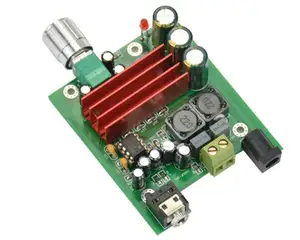
Bluetooth 2.1 Amplifier 2x50W+100W TPA3116D2
Thingiverse
This collection gathers 3D printing files built around TPA3116 amplifier boards: enclosures for bare boards, housings for 2.1 subwoofer setups, Bluetooth versions with room for a module, and smaller parts such as front panels and desk mounts. It helps you find a case that matches the board you already have instead of designing one from scratch. Most files are STL meshes you slice for your own 3D printer. Polyzon does not confirm whether models are free, their price, license, official status, affiliation, safety or fitness. Check the current terms at the source.
このコレクションの本文は英語で書かれています。検索自体はどの言語でも使えます。
 Polyzonのコレクション · モデル48件 5サイトから収集
このコレクションは、Polyzonが対応サイトの検索結果をもとに作成しています。重複やプレビューのないモデルは除外し、関連性の低いものは後ろに回し、それ以外は検索結果の順に並べています。モデルの権利は各作者にあります。利用条件は各モデルのページでご確認ください。
選定基準:Polyzon編集部 · 本文の更新日:2026年10月14日


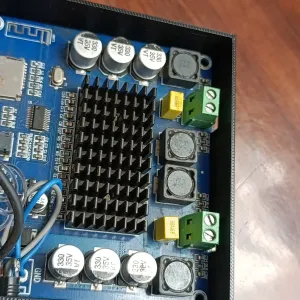


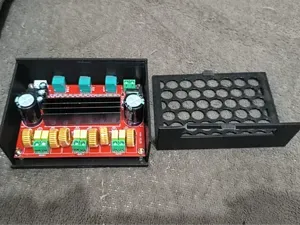

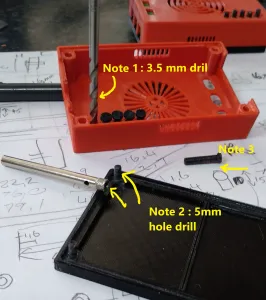
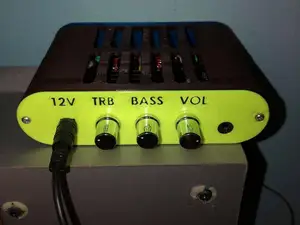

The models differ mainly in what they are meant to hold. Simple enclosures wrap a single stereo board and leave cutouts for power, input and speaker terminals. Larger 2.1 housings add space for a subwoofer channel, a power supply or a heatsink, and Bluetooth variants include openings for a module, a switch and a volume control. Smaller pieces such as front panels, mounting plates and desk stands solve one part of the build rather than the whole box.
Before printing, compare the model against your board. Check the outer dimensions, the spacing of the mounting holes, and the position and size of every connector cutout, since a few millimetres of difference can block a jack or a terminal. Look at how many parts the case has and how they join, whether the author notes supports for overhangs, and which material and slicer settings are listed. Photos of finished prints show how the lid, vents and cable openings actually come out.
If the first results are too narrow, widen the search. Try enclosure, housing, box or chassis instead of case, and add terms such as stereo, class D, 2.1 channel, subwoofer board, volume knob, heatsink or ventilation. Related chips and board families appear under similar names, so searching for a neighbouring amplifier chip or for a generic mini amplifier often surfaces files that fit the same footprint. Combining a board size with a connector type also narrows things down.


暮らし・日用品からCNCまで、すべてのテーマをそろえたカタログ。対応サイトを横断して検索できます。

