無料 
Radial Fan Fang
Thingiverse
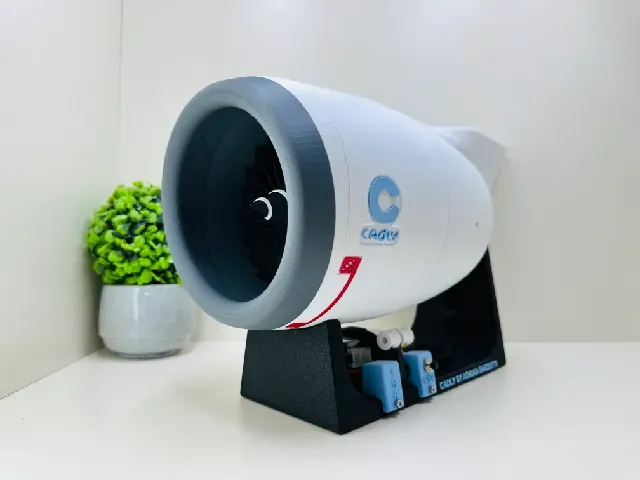
This collection gathers turbo fan and turbofan models made for 3D printing, from scale jet engines with moving internals to small ducted blowers and desk fans. It is useful when you want a fan-shaped project rather than a plain axial propeller. Each listing links to the author's own page, where the STL files and build notes live. Polyzon does not confirm whether models are free, their price, license, official status, affiliation, safety or fitness. Check the current terms at the source.
このコレクションの本文は英語で書かれています。検索自体はどの言語でも使えます。
 Polyzonのコレクション · モデル48件 4サイトから収集
このコレクションは、Polyzonが対応サイトの検索結果をもとに作成しています。重複やプレビューのないモデルは除外し、関連性の低いものは後ろに回し、それ以外は検索結果の順に並べています。モデルの権利は各作者にあります。利用条件は各モデルのページでご確認ください。
選定基準:Polyzon編集部 · 本文の更新日:2026年10月14日
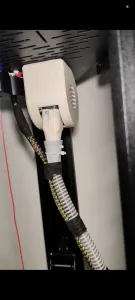

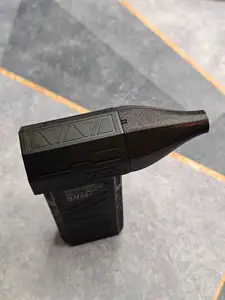
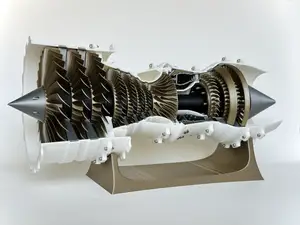
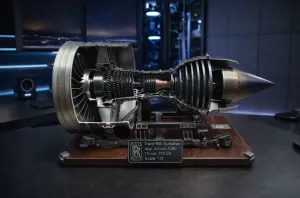


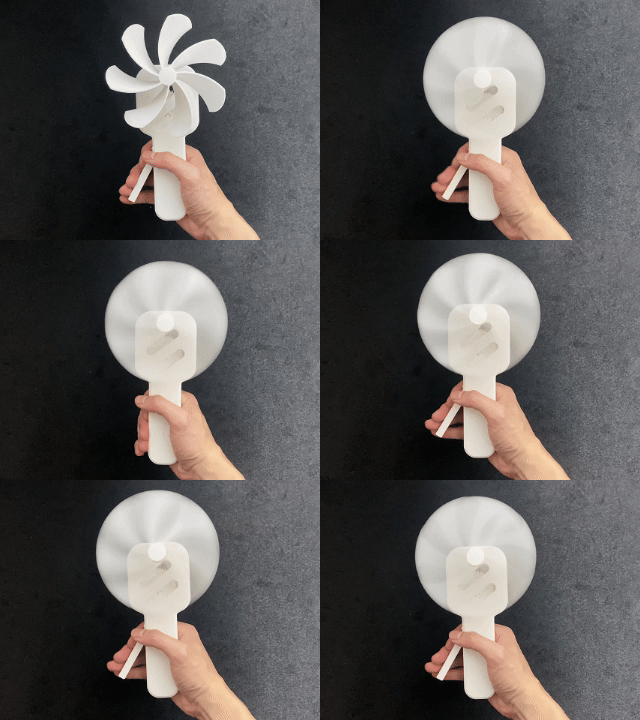



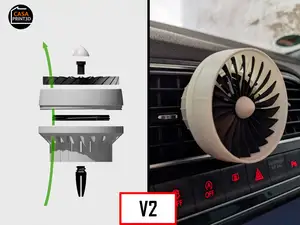
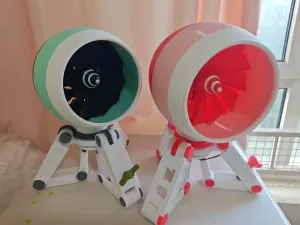

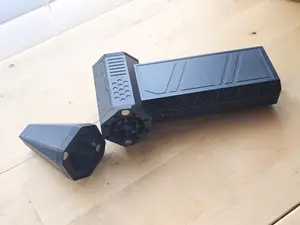

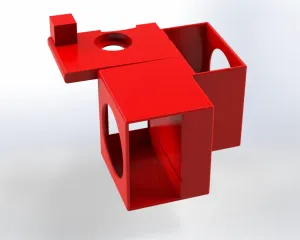

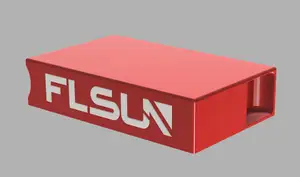
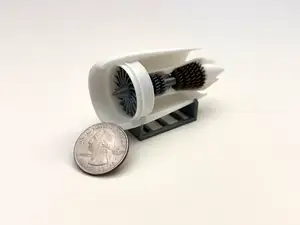
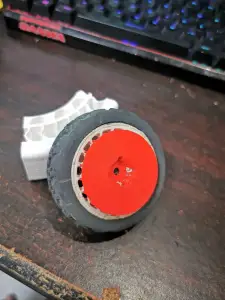


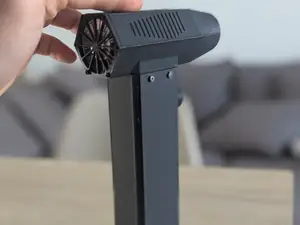
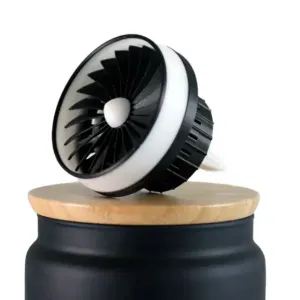

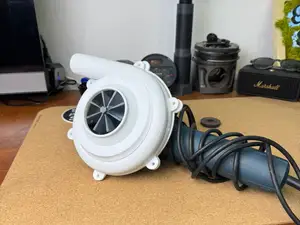
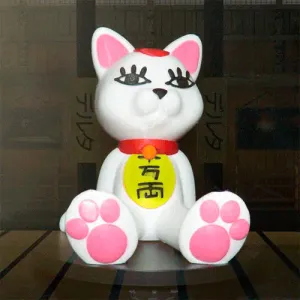

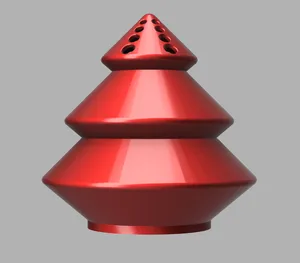
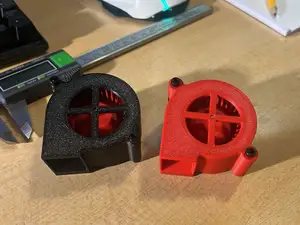
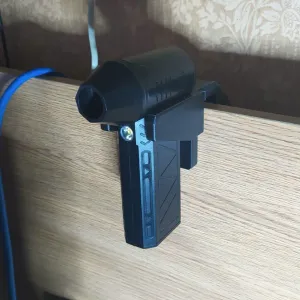

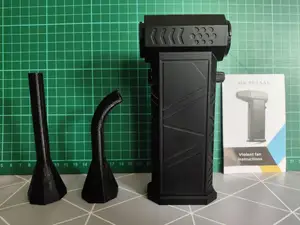
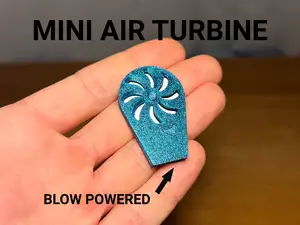
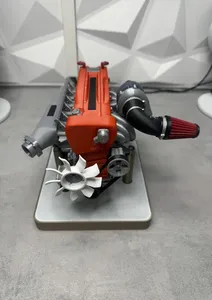

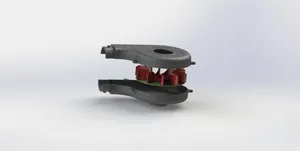
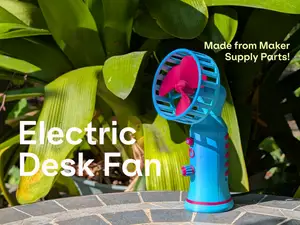


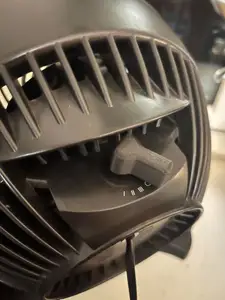
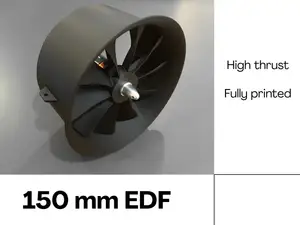
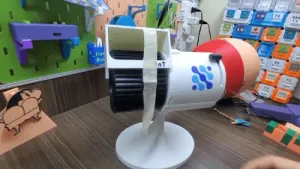
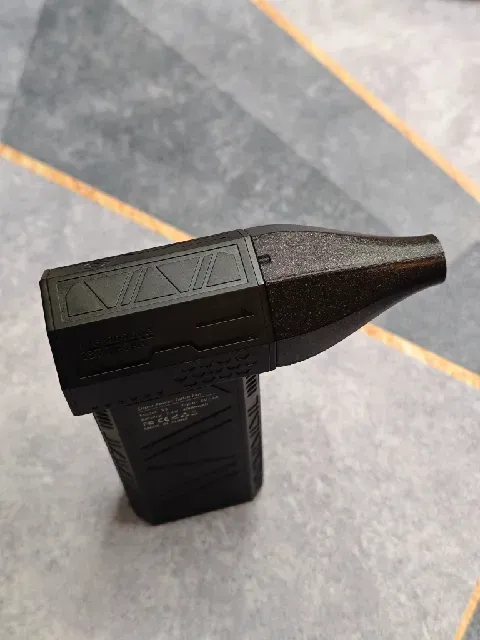
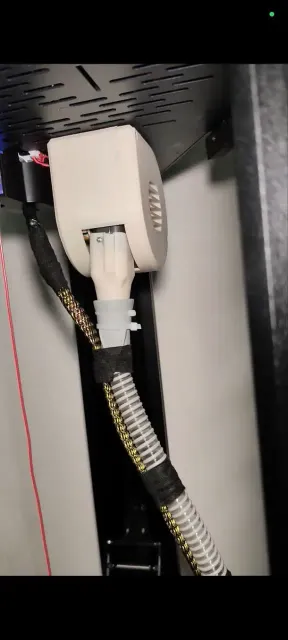
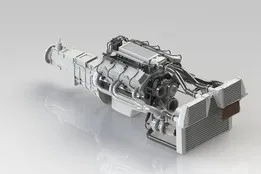
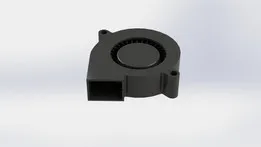
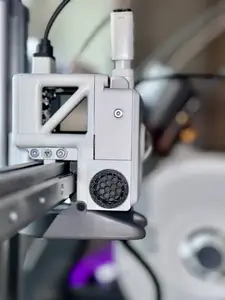
The models fall into a few groups. Scale turbofan and jet engine builds imitate the shape of an aircraft engine and often include a rotating fan, a shaft and a nozzle or thrust-reversing detail. Ducted blowers are smaller and more utilitarian, usually sized around a fan diameter and meant to push air through a housing. Hand-powered and desk fans rely on a crank, gears or a small motor, while mods and end attachments are add-ons that fit an existing fan or hotend setup.
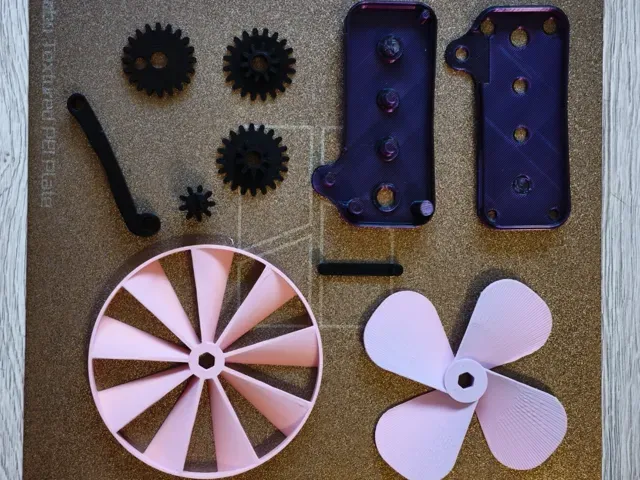
Before printing, look at how the model is put together. Check the number of parts, whether assembly needs screws, bearings or magnets, and whether the author states that supports are needed. The gap between the rotor and the housing matters: too tight and the fan rubs, too loose and it loses pressure. Read the material, layer height and nozzle the author lists, and look at photos of real prints to judge surface finish and fit. If a motor is required, note the size and voltage the author mentions.
Search results widen quickly if you try related wording. Ducted fan, EDF, impeller, centrifugal fan, axial fan, blower and jet engine model all describe parts of this topic, and scale model or desk toy brings up display versions. If you are building for a machine, terms like hotend cooling, part cooling or electronics cooling lead to functional blowers rather than display pieces. Adding a size or a fan diameter to the query narrows the list further.
Many of these designs are parametric or modular, so the same base can appear at several sizes. That means a model page may list variants, optional parts or a choice of motor mounts; read the description to see which variant the photos show. If you plan to resize a fan, remember that scaling changes wall thickness and clearances, so a version drawn for one diameter may not behave the same at another.



暮らし・日用品からCNCまで、すべてのテーマをそろえたカタログ。対応サイトを横断して検索できます。