免费 
Radial Fan Fang
Thingiverse
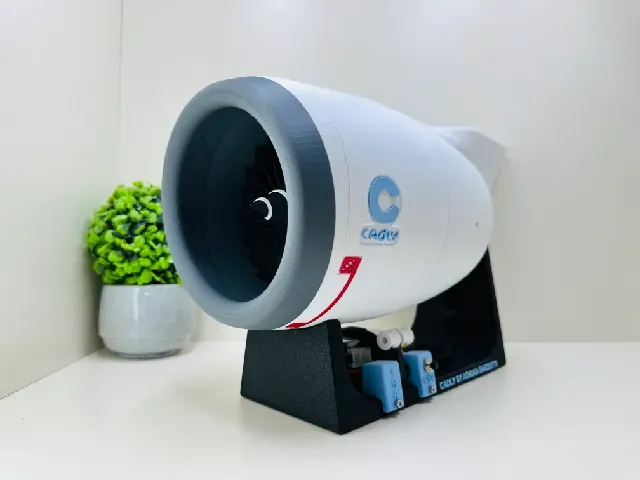
This collection gathers turbo fan and turbofan models made for 3D printing, from scale jet engines with moving internals to small ducted blowers and desk fans. It is useful when you want a fan-shaped project rather than a plain axial propeller. Each listing links to the author's own page, where the STL files and build notes live. Polyzon does not confirm whether models are free, their price, license, official status, affiliation, safety or fitness. Check the current terms at the source.
本合集的文字为英文,搜索本身支持任何语言。
 Polyzon合集 · 48个模型 来自4个平台
此合集由Polyzon根据已接入平台的搜索结果整理而成:去除重复项和没有预览图的模型,匹配度低的排在最后,其余按搜索结果顺序排列。模型归作者所有——请在各模型页面查看使用条款。
筛选规则:Polyzon编辑部 · 文字更新于2026年10月14日
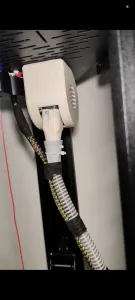

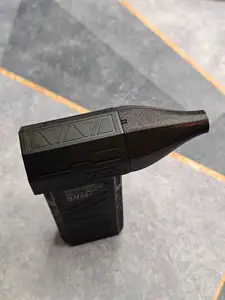
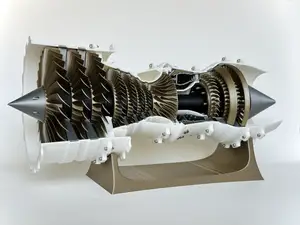
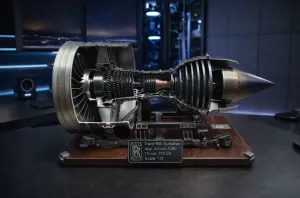


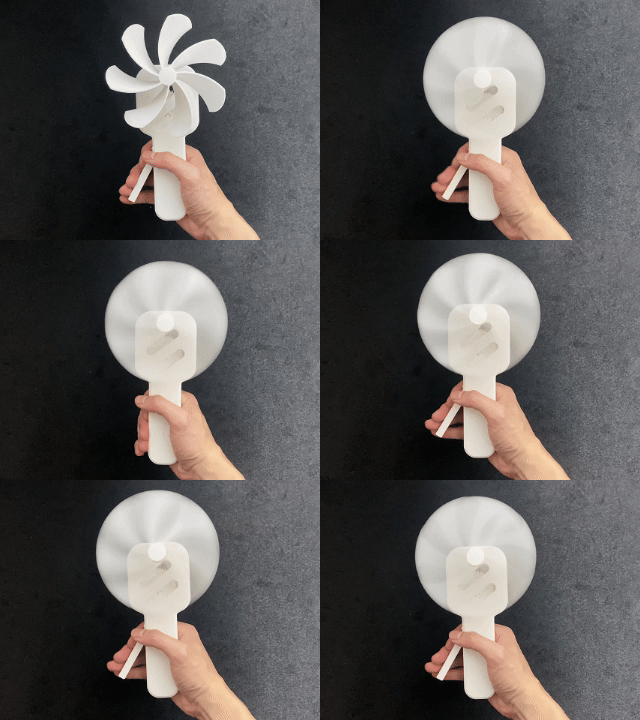


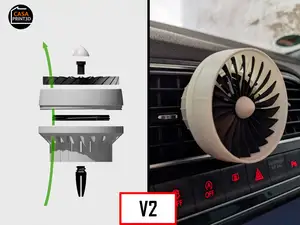


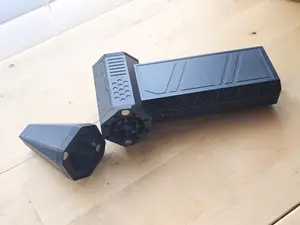

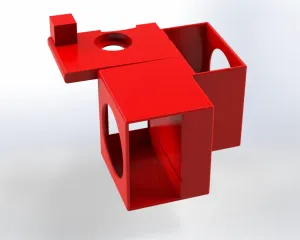

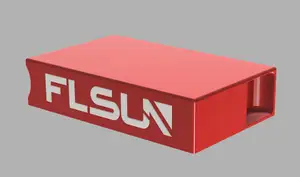
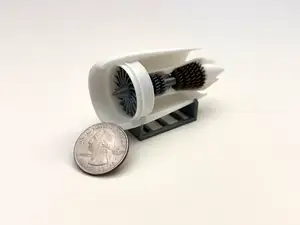
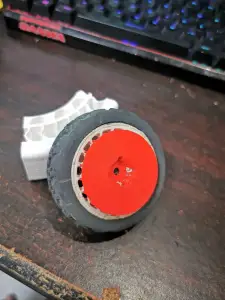


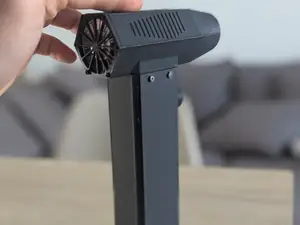
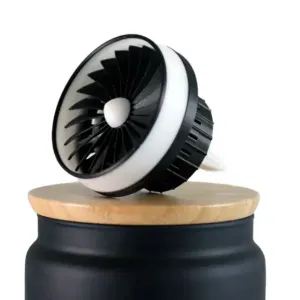

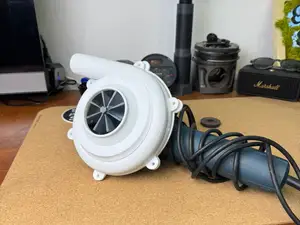


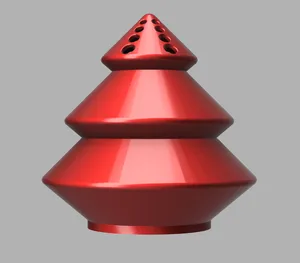
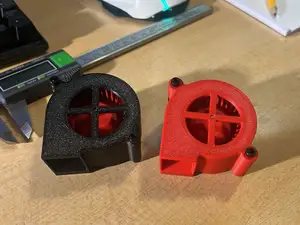
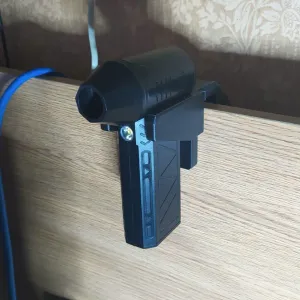

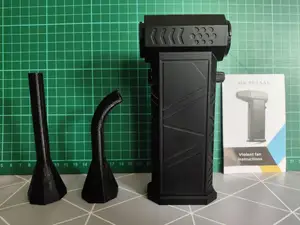
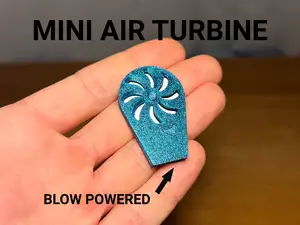
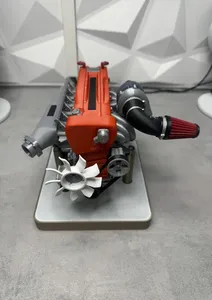

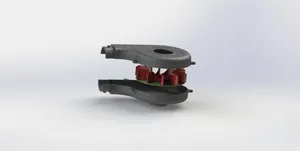
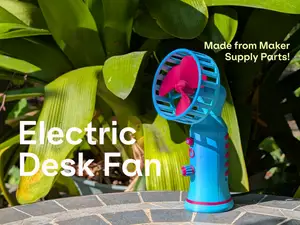


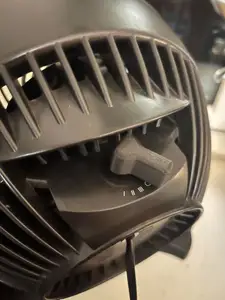
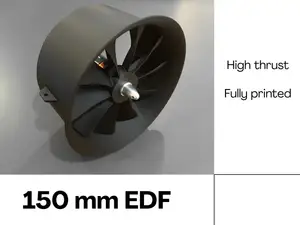
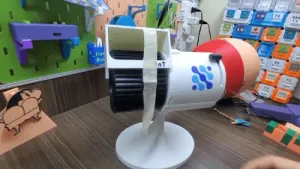
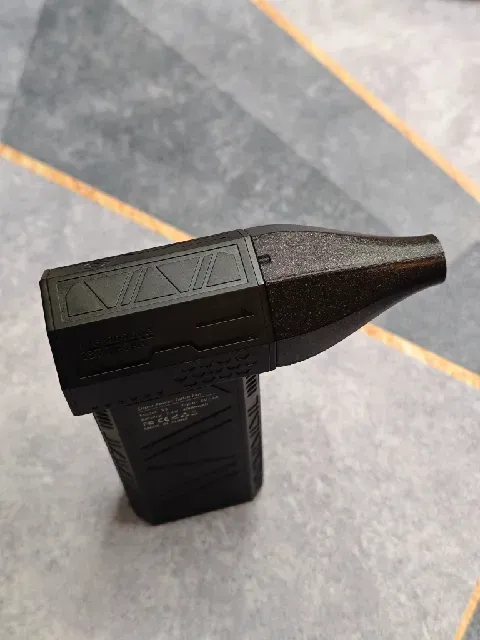
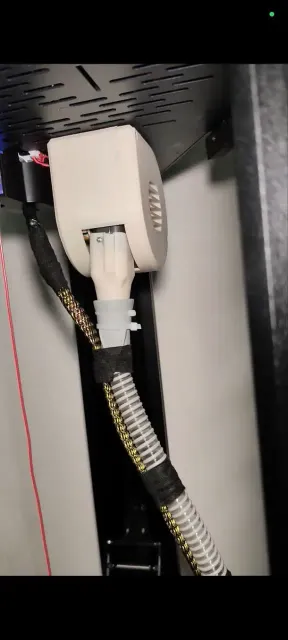
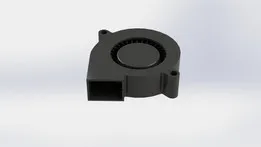
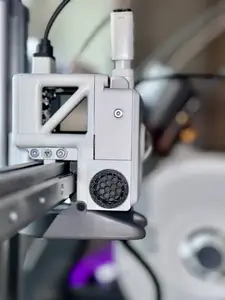
The models fall into a few groups. Scale turbofan and jet engine builds imitate the shape of an aircraft engine and often include a rotating fan, a shaft and a nozzle or thrust-reversing detail. Ducted blowers are smaller and more utilitarian, usually sized around a fan diameter and meant to push air through a housing. Hand-powered and desk fans rely on a crank, gears or a small motor, while mods and end attachments are add-ons that fit an existing fan or hotend setup.
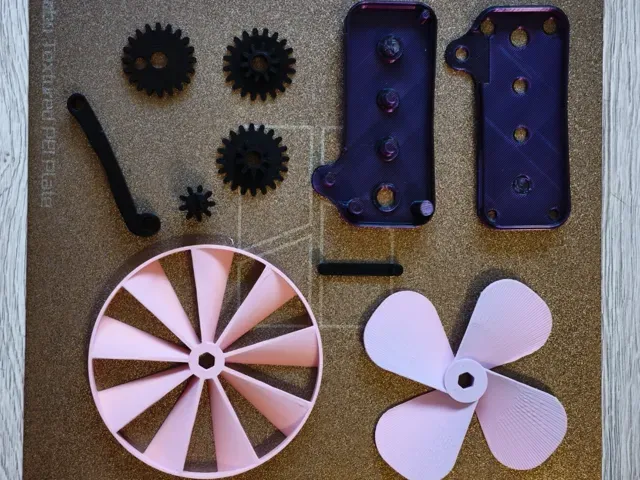
Before printing, look at how the model is put together. Check the number of parts, whether assembly needs screws, bearings or magnets, and whether the author states that supports are needed. The gap between the rotor and the housing matters: too tight and the fan rubs, too loose and it loses pressure. Read the material, layer height and nozzle the author lists, and look at photos of real prints to judge surface finish and fit. If a motor is required, note the size and voltage the author mentions.
Search results widen quickly if you try related wording. Ducted fan, EDF, impeller, centrifugal fan, axial fan, blower and jet engine model all describe parts of this topic, and scale model or desk toy brings up display versions. If you are building for a machine, terms like hotend cooling, part cooling or electronics cooling lead to functional blowers rather than display pieces. Adding a size or a fan diameter to the query narrows the list further.
Many of these designs are parametric or modular, so the same base can appear at several sizes. That means a model page may list variants, optional parts or a choice of motor mounts; read the description to see which variant the photos show. If you plan to resize a fan, remember that scaling changes wall thickness and clearances, so a version drawn for one diameter may not behave the same at another.



完整的主题目录:从家居日用到CNC,均可在已接入的来源平台中搜索。