
Grátis 
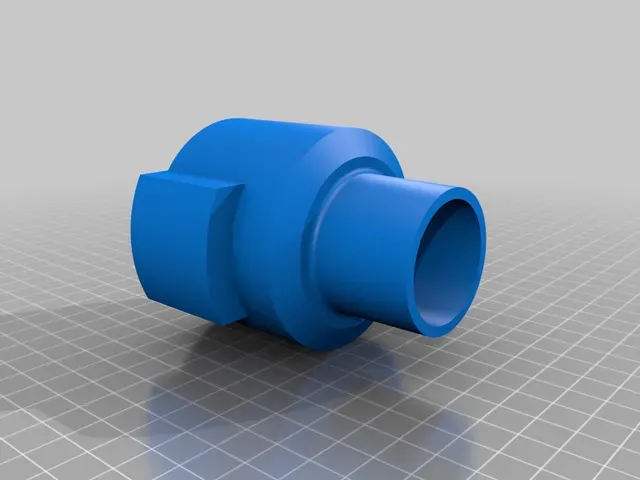
Адаптер для вакуумного редуктора Karcher к Makita
Cults3D
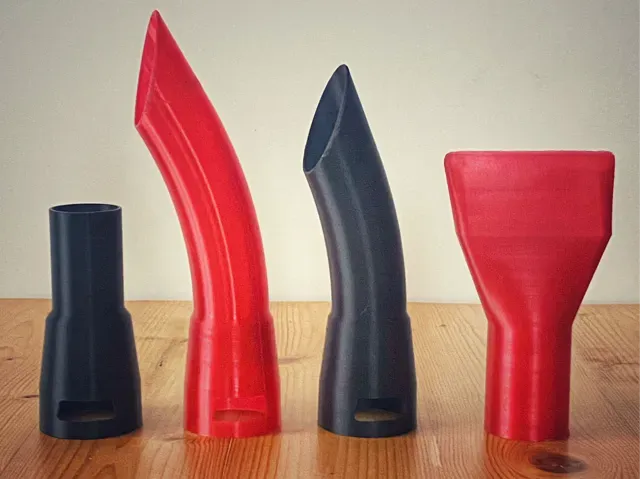
This collection gathers 3D-printable adapters built around Karcher vacuum cleaners: hose extensions, diameter steps, dust ports for power tools and small repair parts. Most of them solve the same everyday problem, joining two ends that were never meant to meet. It is a useful starting point if you already own a shop vacuum and want it to work with the rest of your 3D printing and workshop setup. Polyzon does not confirm whether models are free, their price, license, official status, affiliation, safety or fitness. Check the current terms at the source.
O texto desta coleção está em inglês; a busca funciona em qualquer idioma.
 Uma coleção do Polyzon · 48 modelos de 4 sites
O Polyzon monta esta coleção a partir dos resultados de busca dos sites conectados. Repetições e modelos sem prévia são removidos, correspondências fracas vão para o final e o restante segue a ordem da busca. Os modelos pertencem aos seus autores — confira os termos na página de cada modelo.
Regras de seleção: equipe editorial do Polyzon · Texto atualizado em 12/10/2026


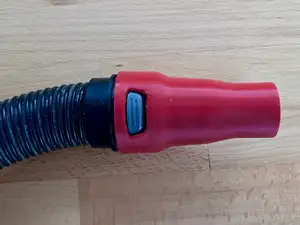

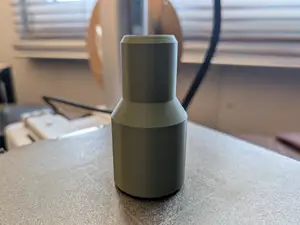


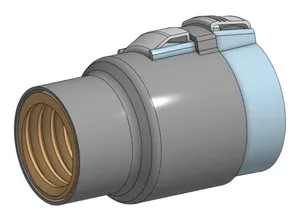


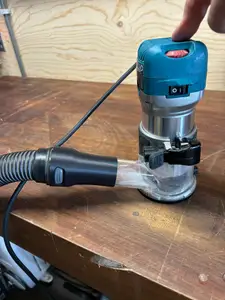

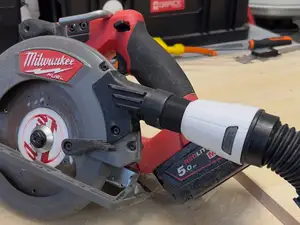


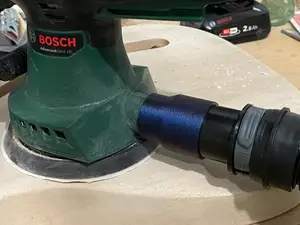


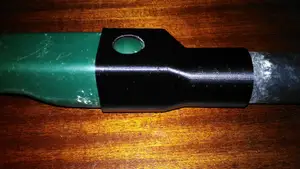


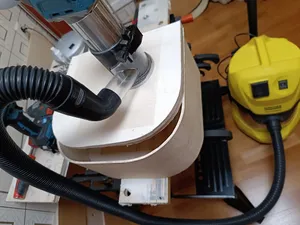

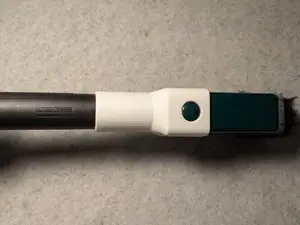

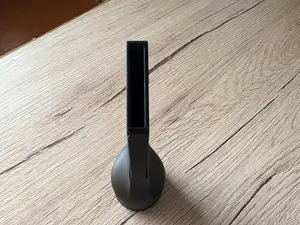
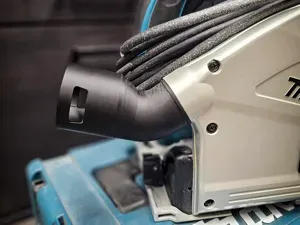
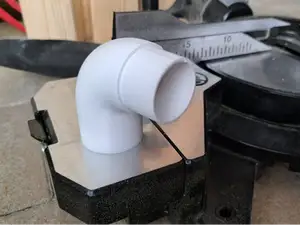


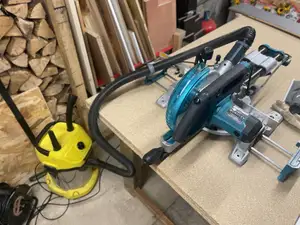
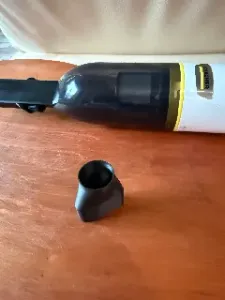

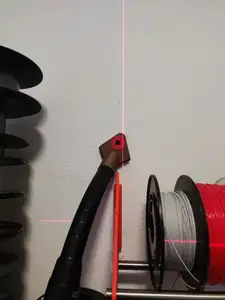
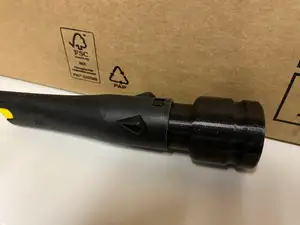
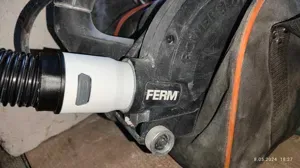
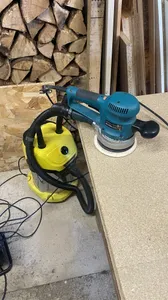

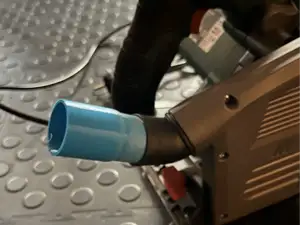

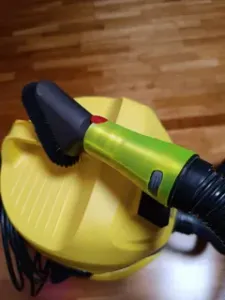

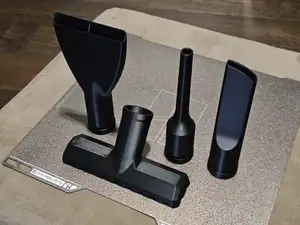
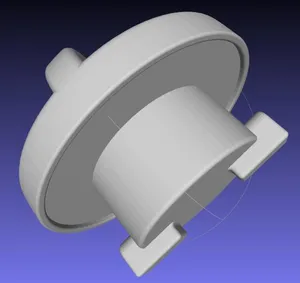
The models fall into a few groups. Some extend an existing hose or add a swivel and a locking collar so the hose stops twisting. Others step between diameters, for example from a narrow tool port up to a 35 mm hose end, and a further group adapts a specific power tool's dust outlet to a vacuum inlet. There are also cross-brand pieces that link one manufacturer's vacuum to another manufacturer's machine, plus small replacement parts such as nozzle hooks and cyclone couplings.
When choosing a model, open the author's page and read the measurements first. Check the inner and outer diameters of both ends, the wall thickness, and whether the part is meant to be glued, screwed or held by friction. Look at the number of separate pieces and how they assemble, whether the author used supports, and which material and settings they list. Photos of real prints show how the joint sits far better than a render, and comments often mention where a fit was tight or loose.
If the first search gives little, try other wording. Terms like vacuum hose adapter, dust port adapter, step adapter, hose reducer or tool port adapter describe similar parts, and searching by diameter rather than by brand often helps. Related topics include cyclone separators, hose clamps, blast gates and workshop dust collection, which use the same kinds of joints.


O catálogo completo de temas — de casa e utilidades a CNC, com busca em todos os sites conectados.