
免费 
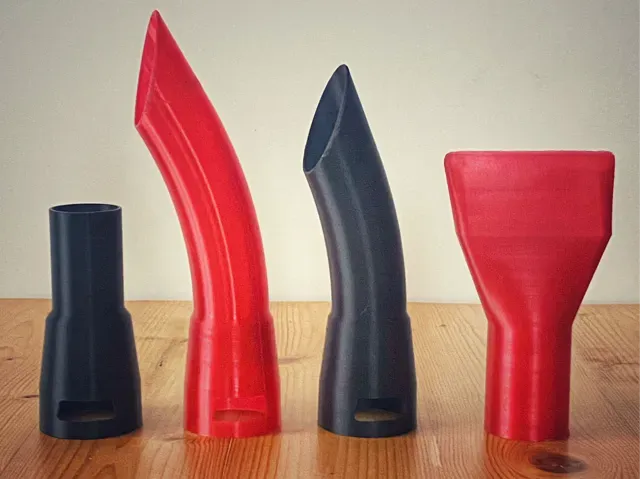
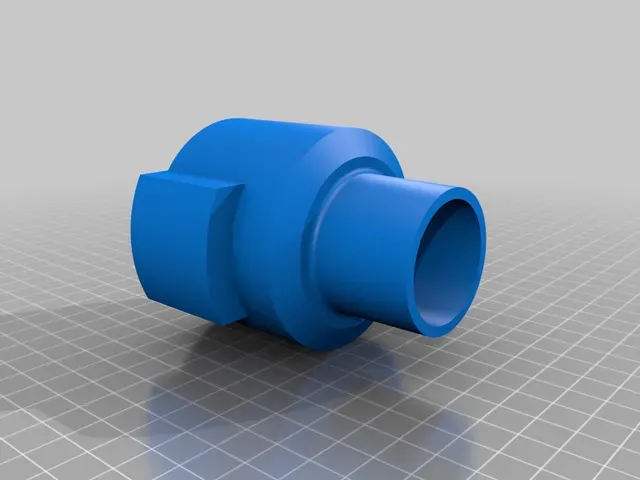
Адаптер для вакуумного редуктора Karcher к Makita
Cults3D
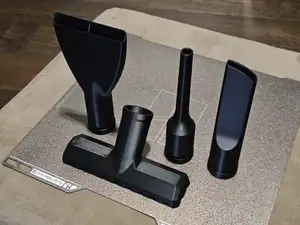
This collection gathers 3D-printable adapters built around Karcher vacuum cleaners: hose extensions, diameter steps, dust ports for power tools and small repair parts. Most of them solve the same everyday problem, joining two ends that were never meant to meet. It is a useful starting point if you already own a shop vacuum and want it to work with the rest of your 3D printing and workshop setup. Polyzon does not confirm whether models are free, their price, license, official status, affiliation, safety or fitness. Check the current terms at the source.
本合集的文字为英文,搜索本身支持任何语言。
 Polyzon合集 · 48个模型 来自4个平台
此合集由Polyzon根据已接入平台的搜索结果整理而成:去除重复项和没有预览图的模型,匹配度低的排在最后,其余按搜索结果顺序排列。模型归作者所有——请在各模型页面查看使用条款。
筛选规则:Polyzon编辑部 · 文字更新于2026年10月12日


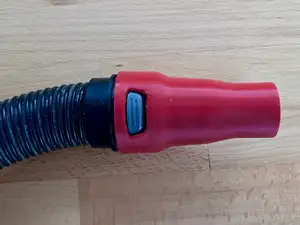


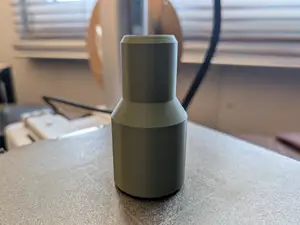

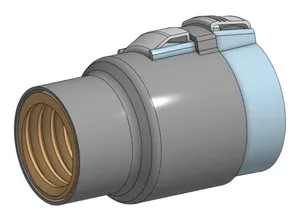


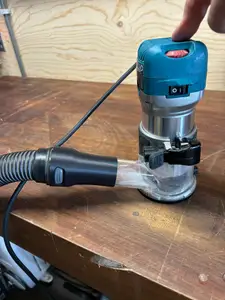
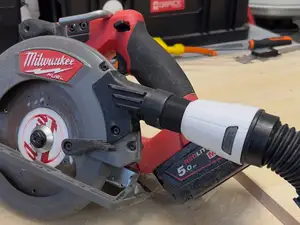


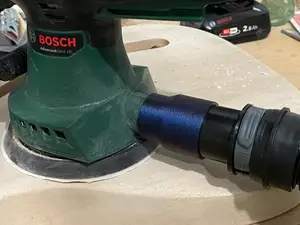
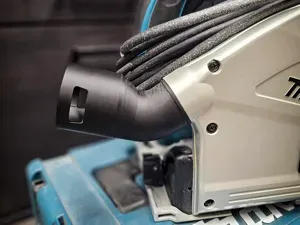


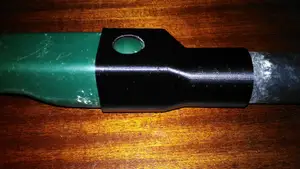

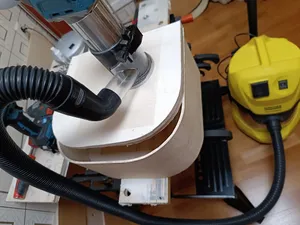


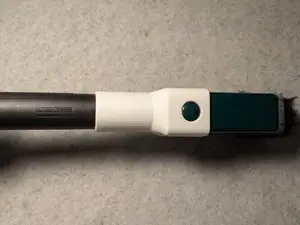
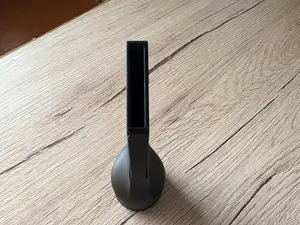
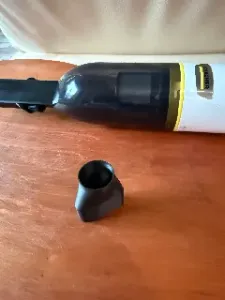

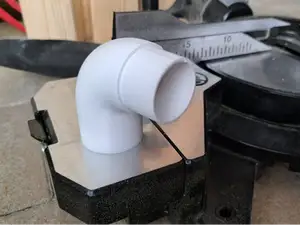


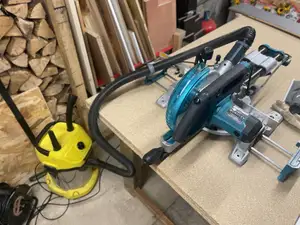

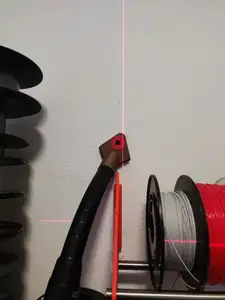
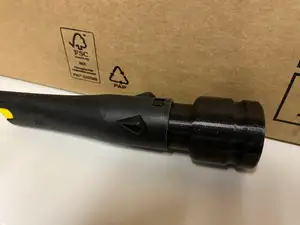
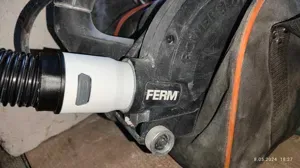
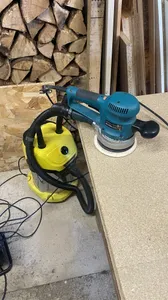
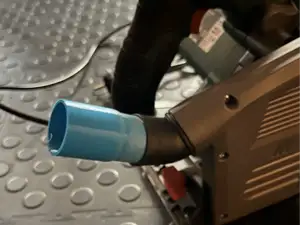

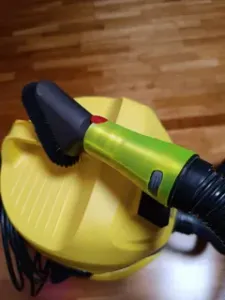

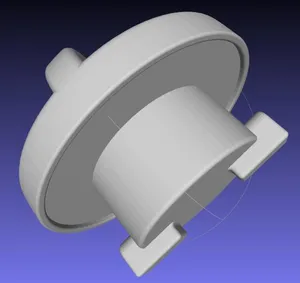
The models fall into a few groups. Some extend an existing hose or add a swivel and a locking collar so the hose stops twisting. Others step between diameters, for example from a narrow tool port up to a 35 mm hose end, and a further group adapts a specific power tool's dust outlet to a vacuum inlet. There are also cross-brand pieces that link one manufacturer's vacuum to another manufacturer's machine, plus small replacement parts such as nozzle hooks and cyclone couplings.
When choosing a model, open the author's page and read the measurements first. Check the inner and outer diameters of both ends, the wall thickness, and whether the part is meant to be glued, screwed or held by friction. Look at the number of separate pieces and how they assemble, whether the author used supports, and which material and settings they list. Photos of real prints show how the joint sits far better than a render, and comments often mention where a fit was tight or loose.
If the first search gives little, try other wording. Terms like vacuum hose adapter, dust port adapter, step adapter, hose reducer or tool port adapter describe similar parts, and searching by diameter rather than by brand often helps. Related topics include cyclone separators, hose clamps, blast gates and workshop dust collection, which use the same kinds of joints.
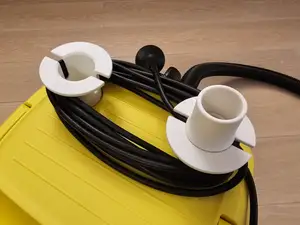


完整的主题目录:从家居日用到CNC,均可在已接入的来源平台中搜索。