
Grátis 
Citroen Ami air diffuser
Thingiverse
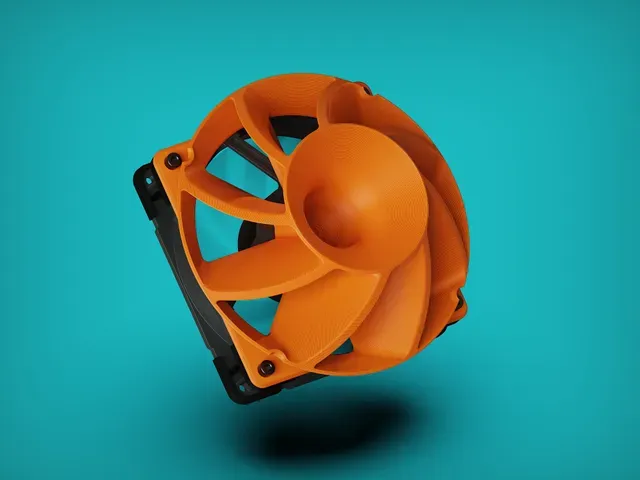
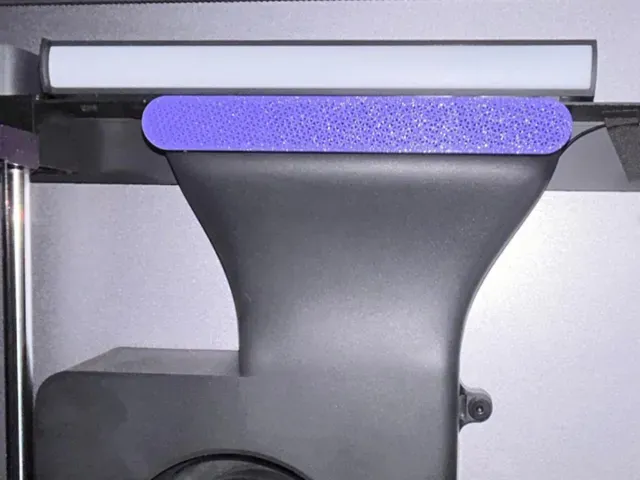
This collection gathers 3D models that spread, redirect or soften airflow: car vent inserts, printer fan deflectors, aquarium bubblers and workshop exhaust pieces. Most of them are small parts that are quick to print and easy to scale, which makes them a common first project on a 3D printer. If you already know the opening you want to feed air through, an STL diffuser is often simpler than buying a ready-made part. Polyzon does not confirm whether models are free, their price, license, official status, affiliation, safety or fitness. Check the current terms at the source.
O texto desta coleção está em inglês; a busca funciona em qualquer idioma.
 Uma coleção do Polyzon · 47 modelos de 7 sites
O Polyzon monta esta coleção a partir dos resultados de busca dos sites conectados. Repetições e modelos sem prévia são removidos, correspondências fracas vão para o final e o restante segue a ordem da busca. Os modelos pertencem aos seus autores — confira os termos na página de cada modelo.
Regras de seleção: equipe editorial do Polyzon · Texto atualizado em 13/10/2026


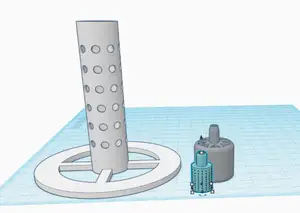
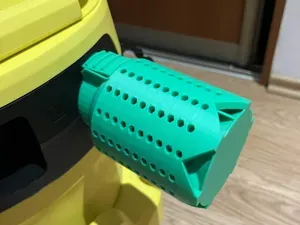


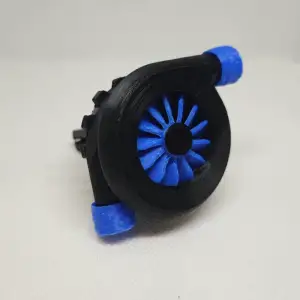


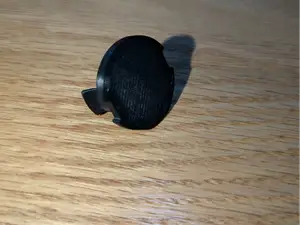


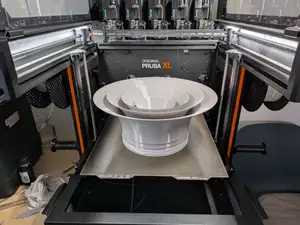


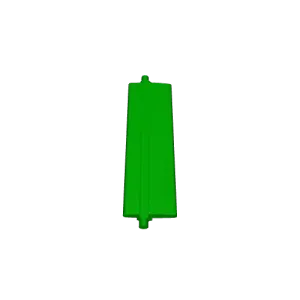
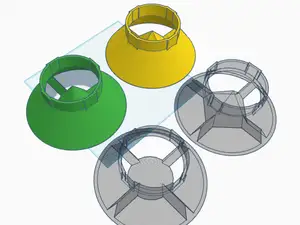

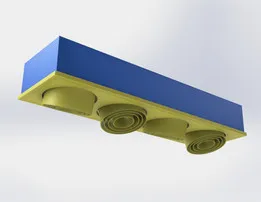

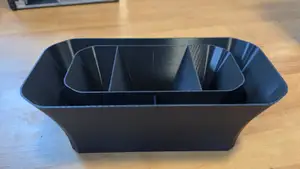

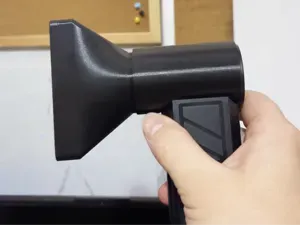


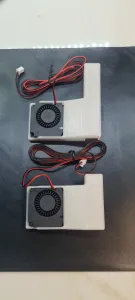
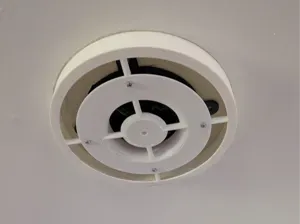
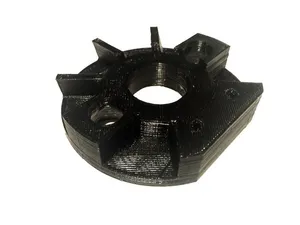


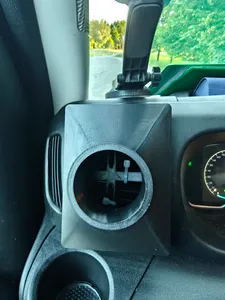
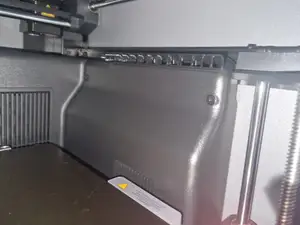


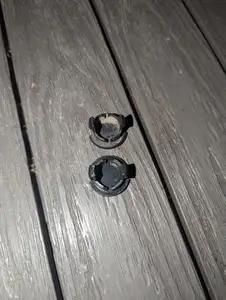
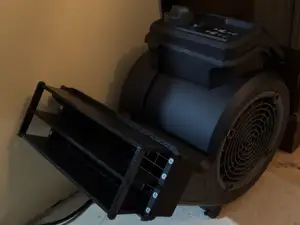
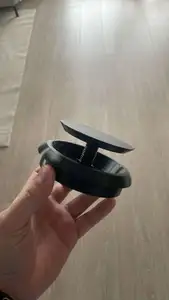
The models fall into a few distinct groups. Car vent diffusers clip or slot into a dashboard vent and spread the stream across the cabin, sometimes carrying a scent pad. Printer and PC fan diffusers sit over a cooling fan and redirect its output toward a specific area. Aquarium versions break a stream of air into fine bubbles, while workshop pieces handle compressed air, laser exhaust or powder coating guns. Aero-style diffusers are body parts rather than airflow parts, shaped to sit under a rear bumper or on an RC shell.
When choosing a file, start with the dimensions and the mounting method: measure the vent, fan frame or hose opening you want to attach to, then compare it with the sizes the author lists. Check how many parts the model has and whether they need glue, screws or clips, and read the notes on supports and orientation, since thin curved vanes often print better in one direction than another. Look at the material and settings the author mentions, and at photos of real prints, because wall thickness and layer lines affect how a diffuser handles heat and vibration.
To widen or narrow the results, try the terms people use for the same object: air deflector, fan deflector, vent nozzle, air knife, bubble diffuser or difusor. Adding a device or context helps, for example a printer model, a fan size in millimetres, a car model year, or words like aquarium, cabin, exhaust or cooling. Related searches such as duct adapter, vent grille, fan shroud or air freshener holder often surface files that a plain diffuser query misses.


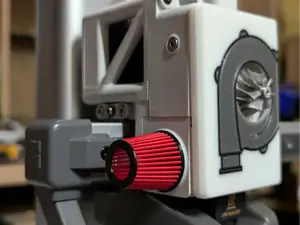

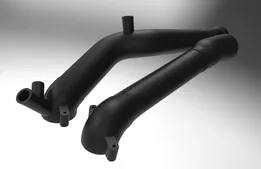

O catálogo completo de temas — de casa e utilidades a CNC, com busca em todos os sites conectados.