Grátis 
Aceton smoothing ABS
Thingiverse
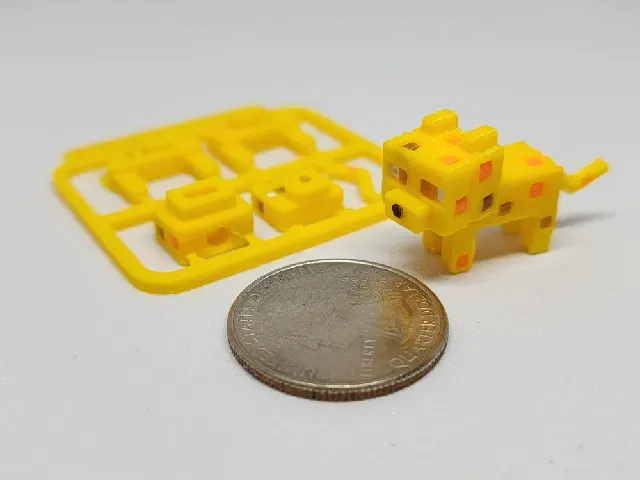
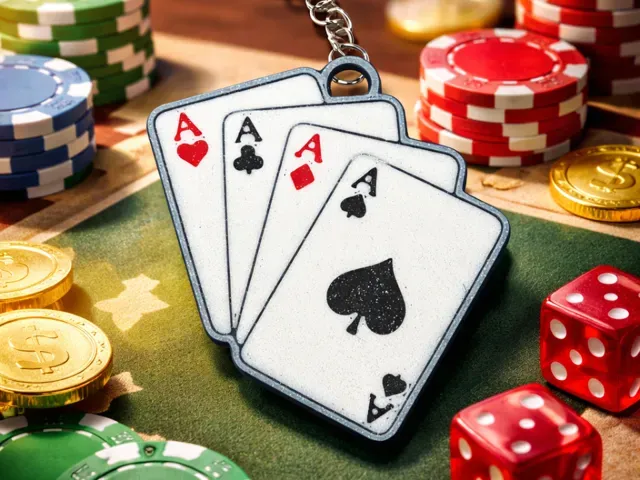
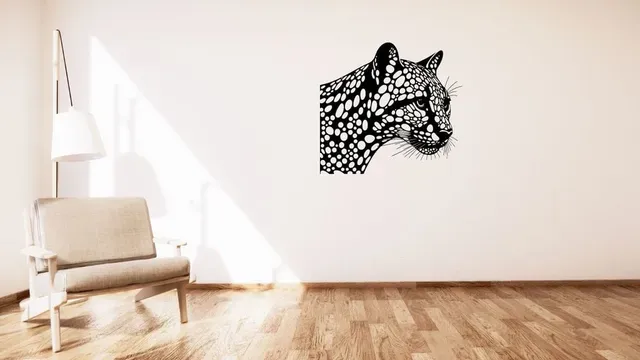
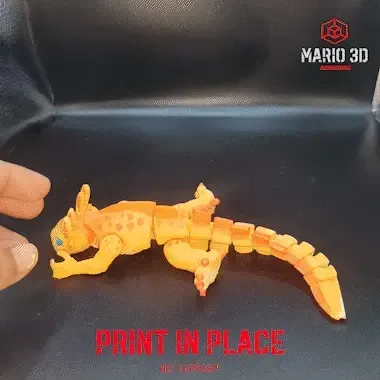
This collection gathers 3D models that appear under the ocelot and axolotl theme: animal figures, flexible and articulated prints, keychains, wall decor and a few small functional parts. It is useful when you want a single place to compare how different authors approach the same subject before sending an STL to your 3D printer. Polyzon does not confirm whether models are free, their price, license, official status, affiliation, safety or fitness. Check the current terms at the source.
O texto desta coleção está em inglês; a busca funciona em qualquer idioma.
 Uma coleção do Polyzon · 43 modelos de 4 sites
O Polyzon monta esta coleção a partir dos resultados de busca dos sites conectados. Repetições e modelos sem prévia são removidos, correspondências fracas vão para o final e o restante segue a ordem da busca. Os modelos pertencem aos seus autores — confira os termos na página de cada modelo.
Regras de seleção: equipe editorial do Polyzon · Texto atualizado em 15/10/2026
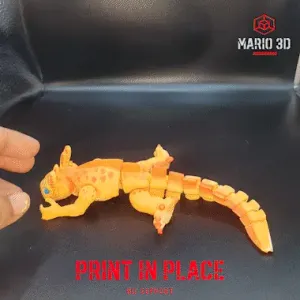

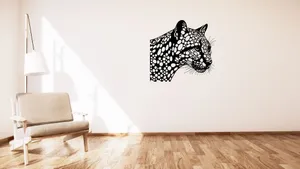
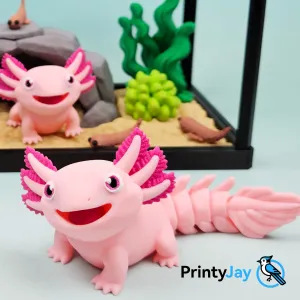

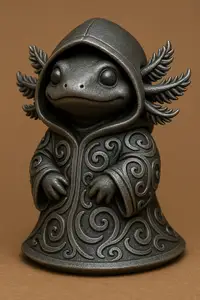


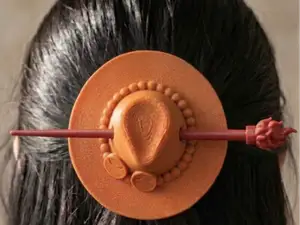
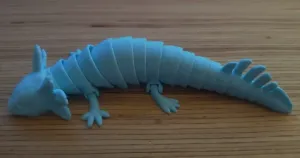




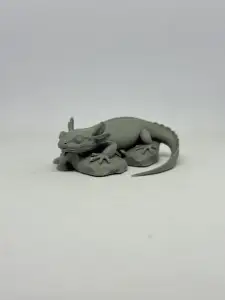


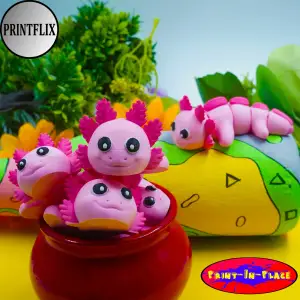


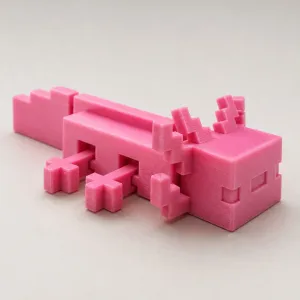

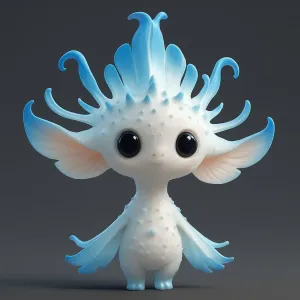

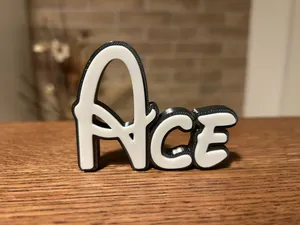
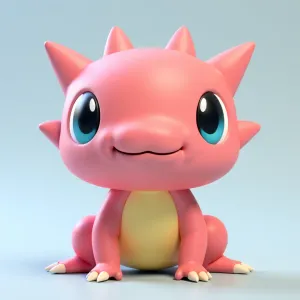

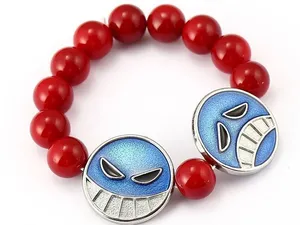
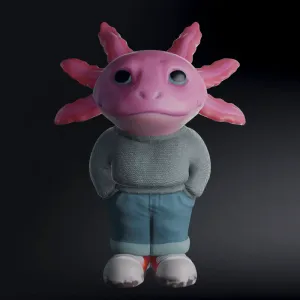

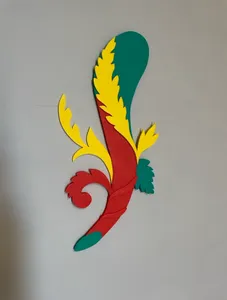
The models fall into a few clear groups. Ocelot entries tend toward static figures, sitting poses and wall decoration, while axolotl and ajolote entries are often flexible or articulated prints made in one piece. Keychains and charms form a third group, usually small and flat-backed, and a smaller set covers functional items such as cases, adapters and lens caps that borrow the animal name or shape.
When choosing a model, open the author's page and read the details rather than judging from the thumbnail. Check the stated size and scale, how many separate parts the model has and whether they need assembly or glue, and whether the author calls for supports. Look at the material and settings the author lists, and at photos of real prints, since thin tails, ears or flexible joints behave differently depending on scale and filament.
Search results for this topic are mixed because the name is spelled and translated in several ways. Try the animal names in both English and Spanish, add words like flexi, articulated, keychain, llavero, voronoi or sculpture, and search by the object type instead of the animal alone. Related subjects such as wild cats, salamanders, low-poly animals or desk figures often surface models the main term misses.


O catálogo completo de temas — de casa e utilidades a CNC, com busca em todos os sites conectados.