Ücretsiz 
Aceton smoothing ABS
Thingiverse
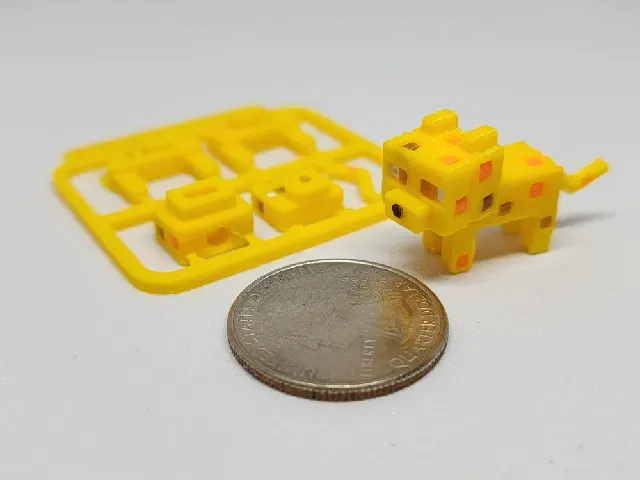
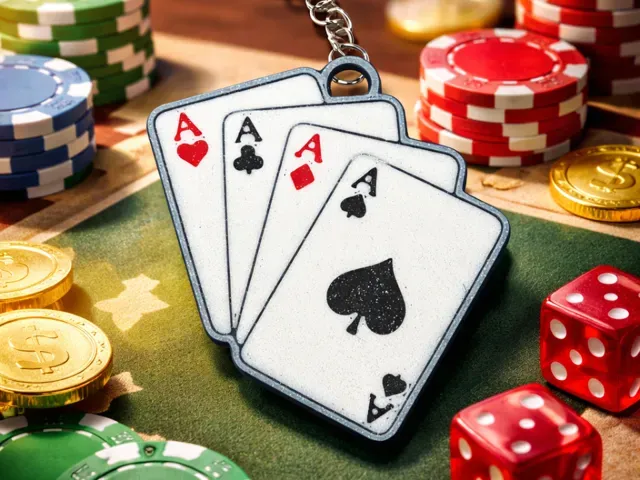
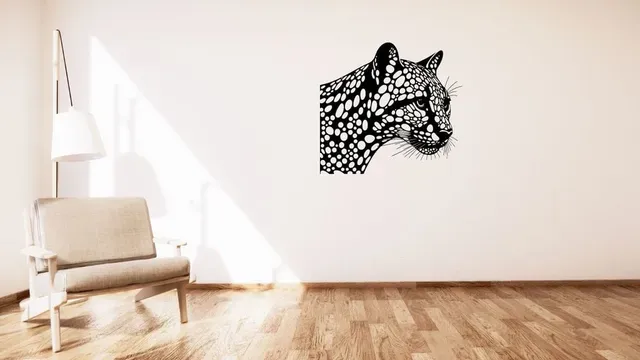
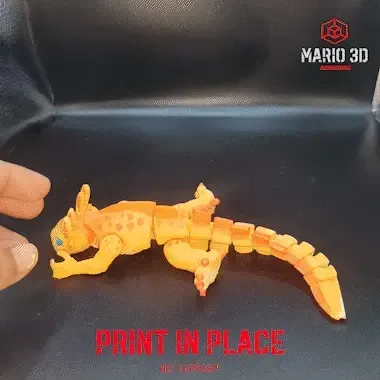
This collection gathers 3D models that appear under the ocelot and axolotl theme: animal figures, flexible and articulated prints, keychains, wall decor and a few small functional parts. It is useful when you want a single place to compare how different authors approach the same subject before sending an STL to your 3D printer. Polyzon does not confirm whether models are free, their price, license, official status, affiliation, safety or fitness. Check the current terms at the source.
Bu koleksiyonun metni İngilizce; arama ise her dilde çalışır.
 Bir Polyzon koleksiyonu · 43 model 4 siteden
Polyzon bu koleksiyonu bağlı sitelerdeki arama sonuçlarından oluşturur. Tekrarlar ve önizlemesi olmayan modeller çıkarılır, zayıf eşleşmeler sona alınır, geri kalanlar arama sırasını korur. Modeller yazarlarına aittir; her modelin sayfasındaki koşulları kontrol edin.
Seçim kuralları: Polyzon editör ekibi · Metin güncellendi: 15.10.2026
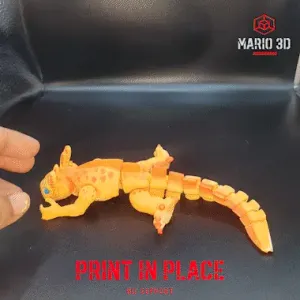

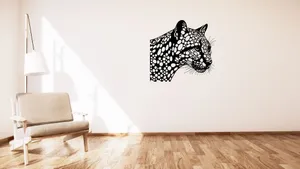
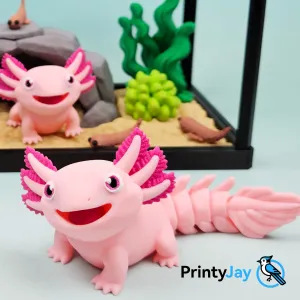

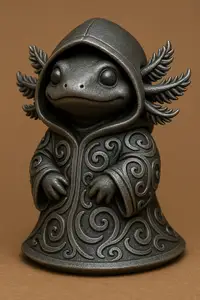


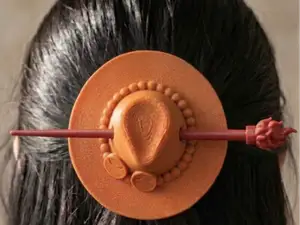
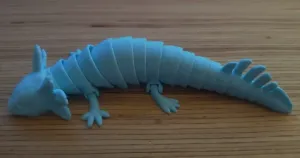




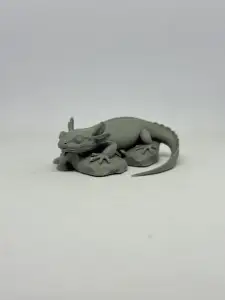


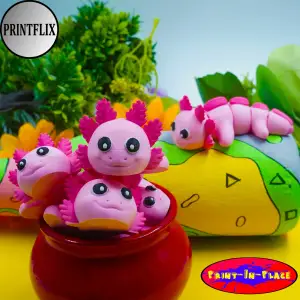


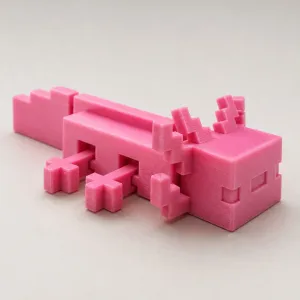

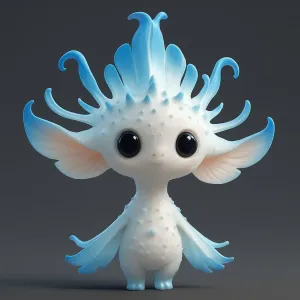

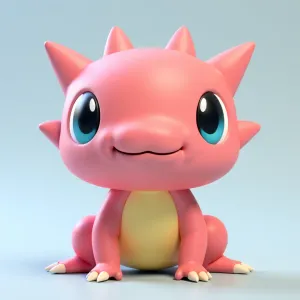

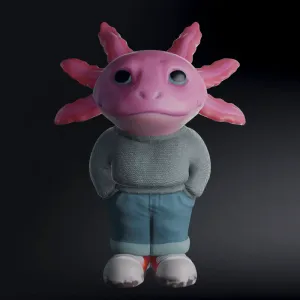

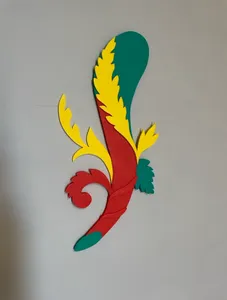
The models fall into a few clear groups. Ocelot entries tend toward static figures, sitting poses and wall decoration, while axolotl and ajolote entries are often flexible or articulated prints made in one piece. Keychains and charms form a third group, usually small and flat-backed, and a smaller set covers functional items such as cases, adapters and lens caps that borrow the animal name or shape.
When choosing a model, open the author's page and read the details rather than judging from the thumbnail. Check the stated size and scale, how many separate parts the model has and whether they need assembly or glue, and whether the author calls for supports. Look at the material and settings the author lists, and at photos of real prints, since thin tails, ears or flexible joints behave differently depending on scale and filament.
Search results for this topic are mixed because the name is spelled and translated in several ways. Try the animal names in both English and Spanish, add words like flexi, articulated, keychain, llavero, voronoi or sculpture, and search by the object type instead of the animal alone. Related subjects such as wild cats, salamanders, low-poly animals or desk figures often surface models the main term misses.


Ev ve günlük yaşamdan CNC'ye kadar tüm konuların kataloğu; bağlı sitelerin hepsinde arama yapabilirsiniz.