Grátis 
Bacteria / Bacterium
Thingiverse
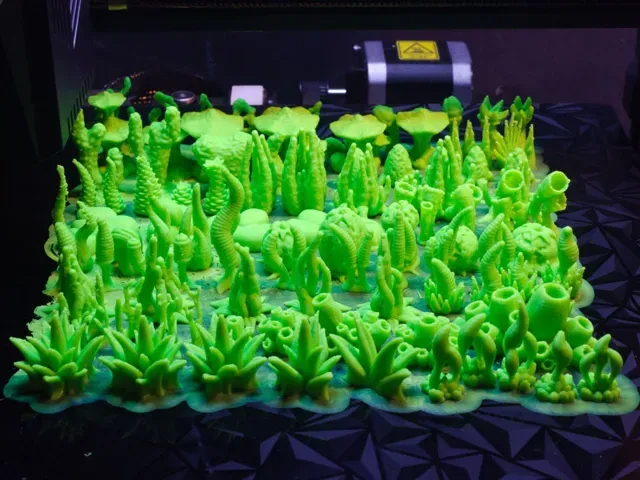
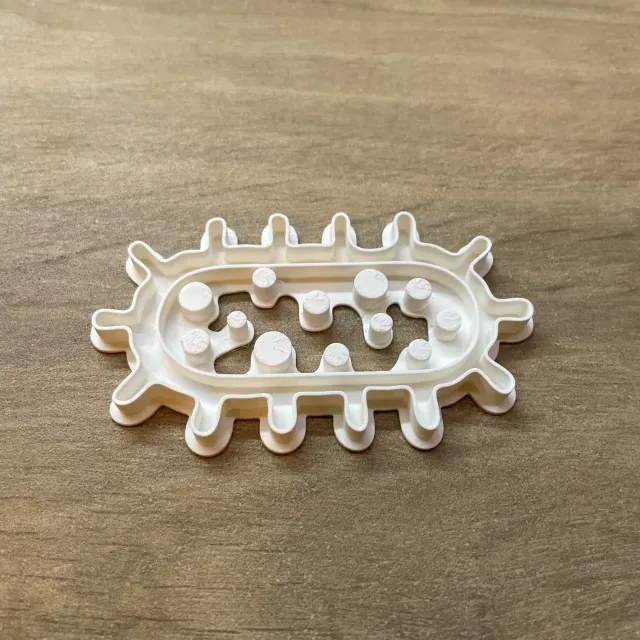
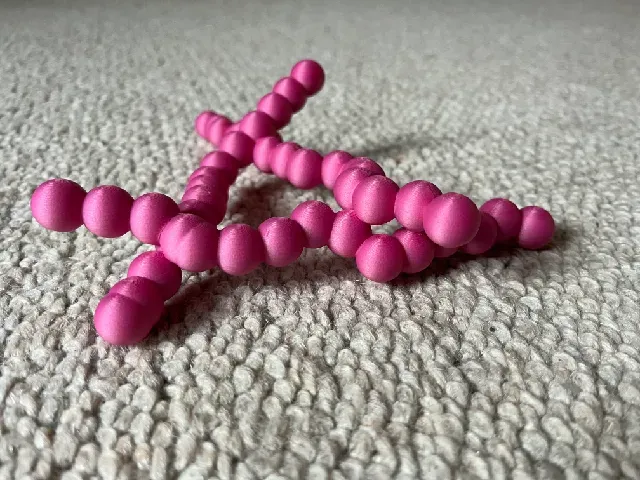
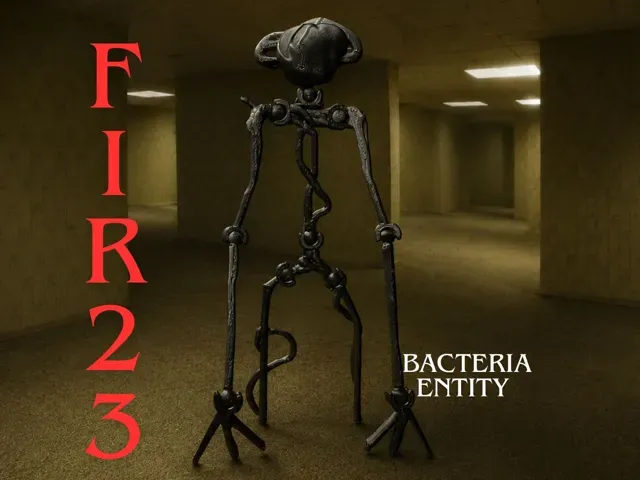
This collection gathers 3D models built around bacteria, from enlarged cell shapes to phage figures and microbe-shaped kitchen tools. It is useful for science lessons, tabletop scenery and small decorative prints. Most files are plain STL meshes that a common 3D printer can handle after scaling. Polyzon does not confirm whether models are free, their price, license, official status, affiliation, safety or fitness. Check the current terms at the source.
O texto desta coleção está em inglês; a busca funciona em qualquer idioma.
 Uma coleção do Polyzon · 46 modelos de 4 sites
O Polyzon monta esta coleção a partir dos resultados de busca dos sites conectados. Repetições e modelos sem prévia são removidos, correspondências fracas vão para o final e o restante segue a ordem da busca. Os modelos pertencem aos seus autores — confira os termos na página de cada modelo.
Regras de seleção: equipe editorial do Polyzon · Texto atualizado em 13/10/2026

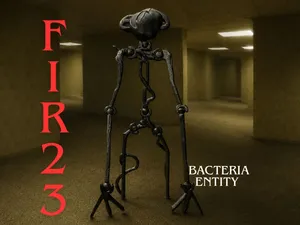
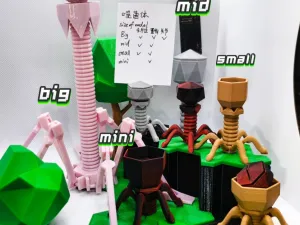


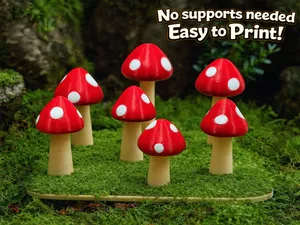
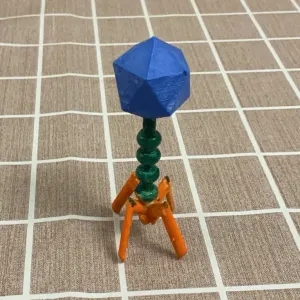


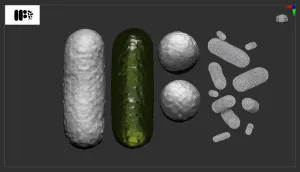


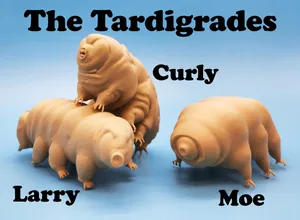
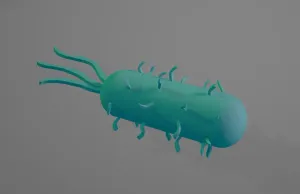


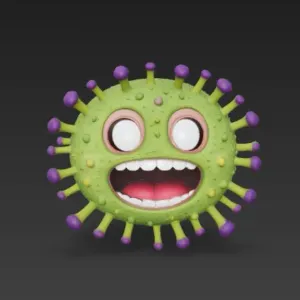



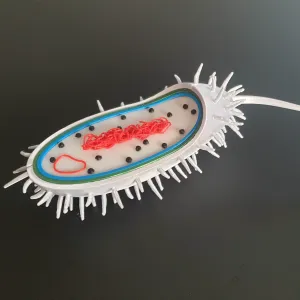


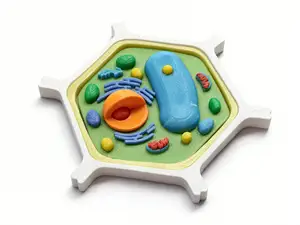
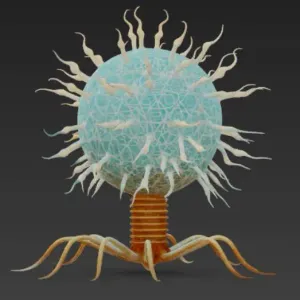


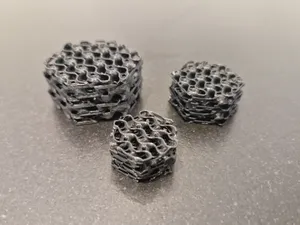
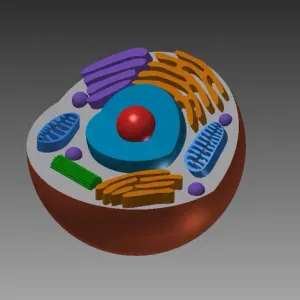


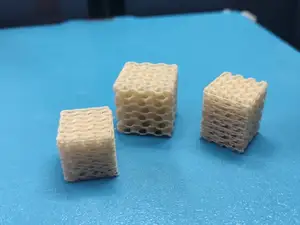


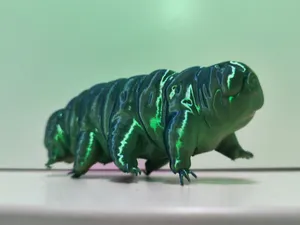

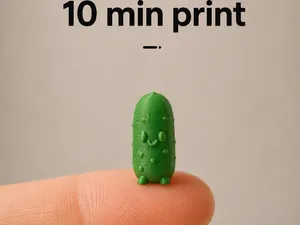

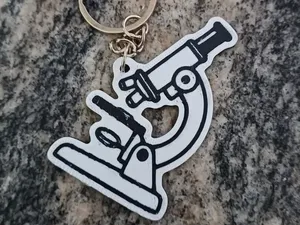

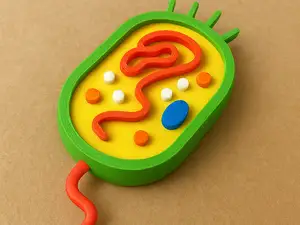
The models fall into a few groups. Enlarged bacterial cells and rod-shaped forms are usually solid display pieces, while bacteriophage and virus figures add tails, spikes and thin legs that change how the model prints. Cookie cutters and molds are flat outlines meant for dough, and fantasy creature or terrain pieces borrow the same microbe vocabulary for tabletop games. Laboratory props such as ribosome or culture-plate replicas sit closer to a scale model than to a toy.
When choosing a file, open the author's page and read the listed dimensions first, since a cell model can be a few centimeters across or a large teaching aid. Check how many separate parts are included and whether they are meant to be glued or printed as one piece. Look at the stated support requirements, layer height and material, and compare those notes with photos of actual prints, because thin flagella, spikes and articulated joints behave differently at small scale.
To widen the results, try synonyms such as bacterium, bacillus, coccus, microbe, pathogen or phage, and related terms like microbiology, cell, ribosome or petri dish. If you want objects rather than figures, add words like cookie cutter, mold, keychain or coaster. Combining a shape term with a use term, for example rod-shaped microbe display or bacteria kitchen mold, usually narrows the list faster than a single broad word.




O catálogo completo de temas — de casa e utilidades a CNC, com busca em todos os sites conectados.