Kostenlos 
Bacteria / Bacterium
Thingiverse
This collection gathers 3D models built around bacteria, from enlarged cell shapes to phage figures and microbe-shaped kitchen tools. It is useful for science lessons, tabletop scenery and small decorative prints. Most files are plain STL meshes that a common 3D printer can handle after scaling. Polyzon does not confirm whether models are free, their price, license, official status, affiliation, safety or fitness. Check the current terms at the source.
Der Text dieser Sammlung ist auf Englisch verfasst; die Suche selbst funktioniert in jeder Sprache.
 Eine Sammlung von Polyzon · 46 Modelle von 4 Plattformen
Polyzon stellt diese Sammlung aus den Suchergebnissen der angebundenen Plattformen zusammen. Dubletten und Modelle ohne Vorschaubild werden entfernt, schwache Treffer rutschen ans Ende, der Rest bleibt in der Reihenfolge der Suche. Die Modelle gehören ihren Urhebern – die Bedingungen findest du auf der Seite des jeweiligen Modells.
Auswahlregeln: Polyzon-Redaktion · Text aktualisiert: 13.10.2026

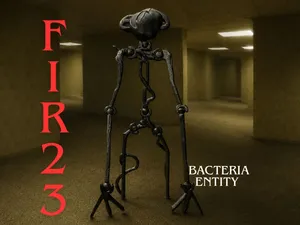
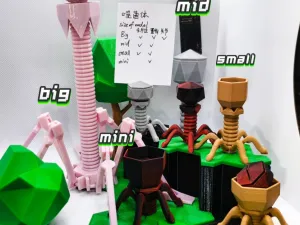



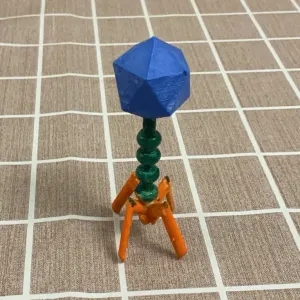


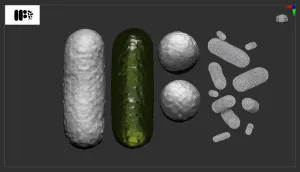


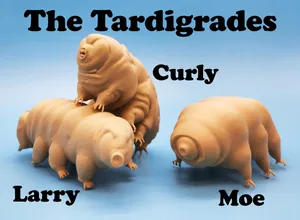
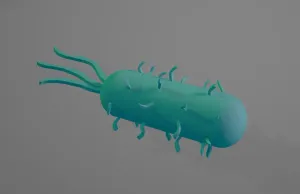


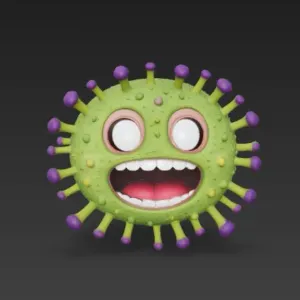



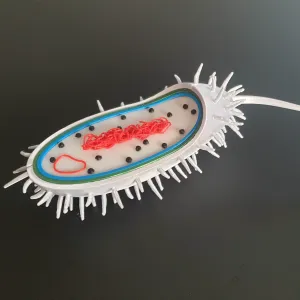


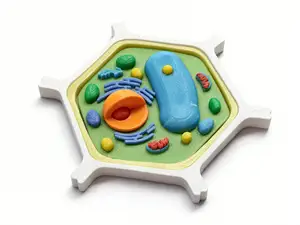
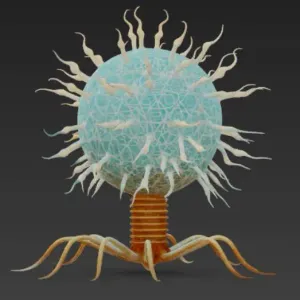


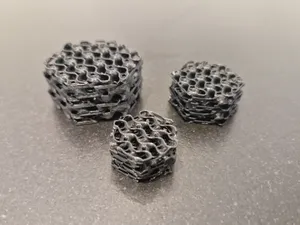
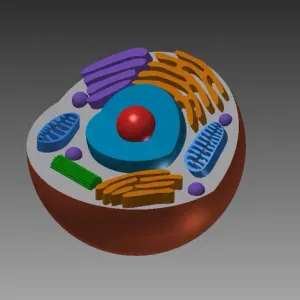


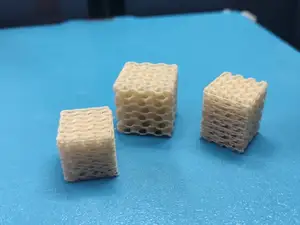


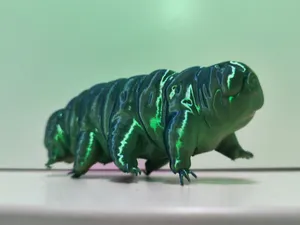

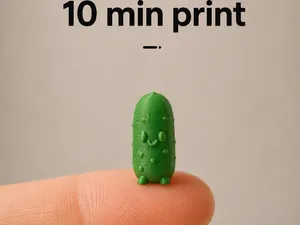

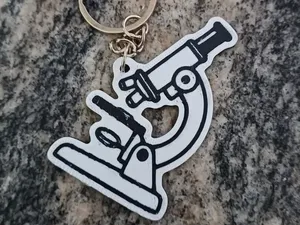

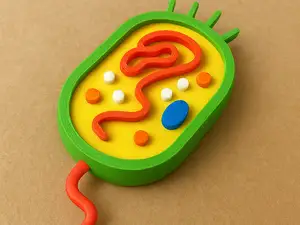
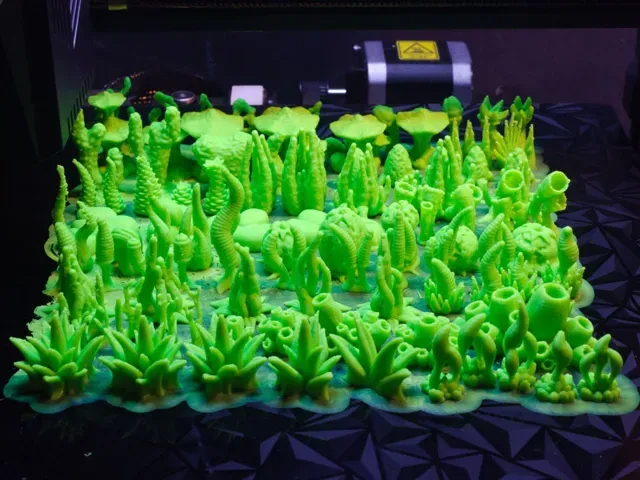
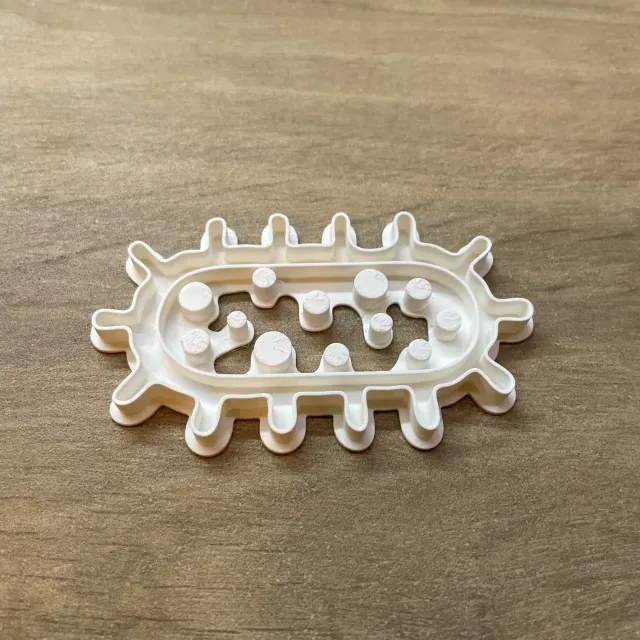
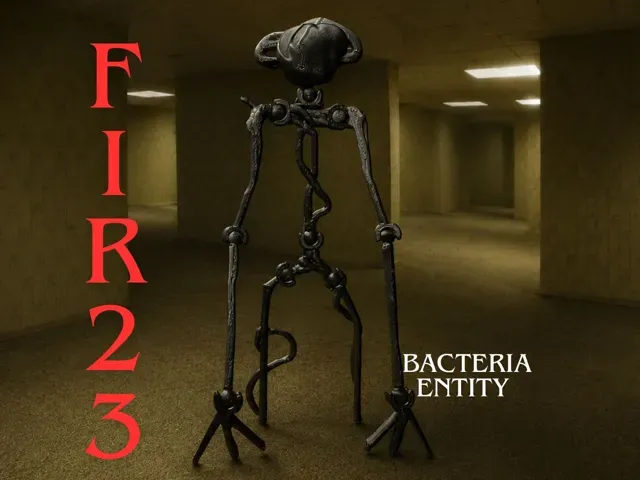
The models fall into a few groups. Enlarged bacterial cells and rod-shaped forms are usually solid display pieces, while bacteriophage and virus figures add tails, spikes and thin legs that change how the model prints. Cookie cutters and molds are flat outlines meant for dough, and fantasy creature or terrain pieces borrow the same microbe vocabulary for tabletop games. Laboratory props such as ribosome or culture-plate replicas sit closer to a scale model than to a toy.
When choosing a file, open the author's page and read the listed dimensions first, since a cell model can be a few centimeters across or a large teaching aid. Check how many separate parts are included and whether they are meant to be glued or printed as one piece. Look at the stated support requirements, layer height and material, and compare those notes with photos of actual prints, because thin flagella, spikes and articulated joints behave differently at small scale.
To widen the results, try synonyms such as bacterium, bacillus, coccus, microbe, pathogen or phage, and related terms like microbiology, cell, ribosome or petri dish. If you want objects rather than figures, add words like cookie cutter, mold, keychain or coaster. Combining a shape term with a use term, for example rod-shaped microbe display or bacteria kitchen mold, usually narrows the list faster than a single broad word.




Der komplette Themenkatalog – von Wohnen & Haushalt bis CNC, mit Suche auf allen angebundenen Plattformen.