
Grátis 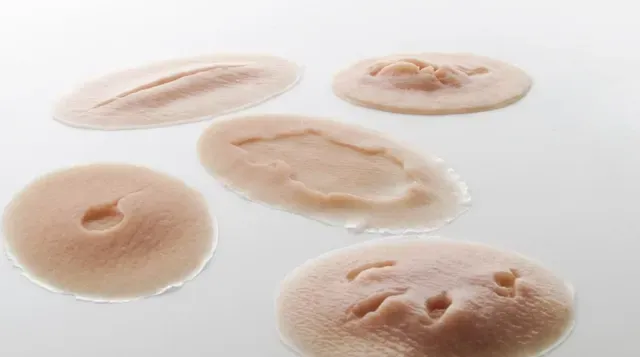
Moulage molds for silicone casting
Printables
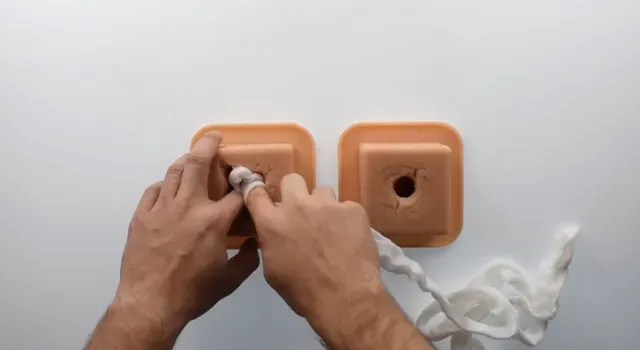
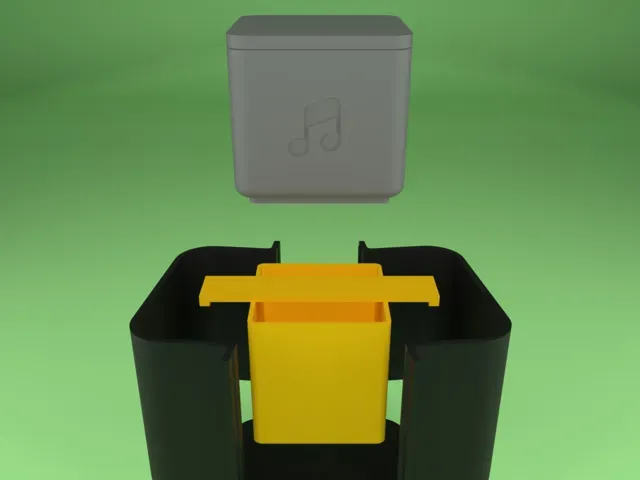
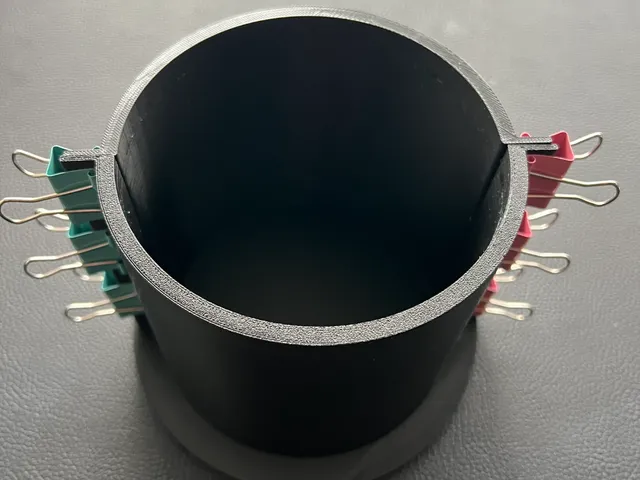
This collection gathers STL files for making silicone casting molds and the parts that go with them: frames, boxes, two-part shells, jigs and masters. It is useful when you want to cast silicone, resin or another pourable material in a shape you control from your own 3D printer. Most entries are working tools rather than display pieces, so the printed result is judged by how the cast part comes out. Polyzon does not confirm whether models are free, their price, license, official status, affiliation, safety or fitness. Check the current terms at the source.
O texto desta coleção está em inglês; a busca funciona em qualquer idioma.
 Uma coleção do Polyzon · 48 modelos de 7 sites
O Polyzon monta esta coleção a partir dos resultados de busca dos sites conectados. Repetições e modelos sem prévia são removidos, correspondências fracas vão para o final e o restante segue a ordem da busca. Os modelos pertencem aos seus autores — confira os termos na página de cada modelo.
Regras de seleção: equipe editorial do Polyzon · Texto atualizado em 14/10/2026
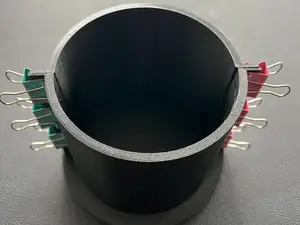

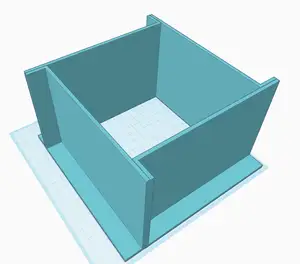
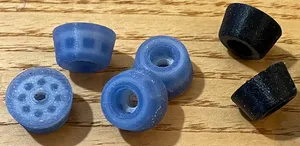


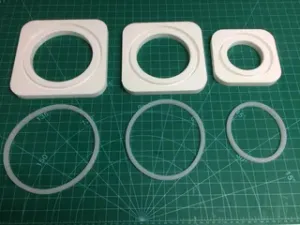
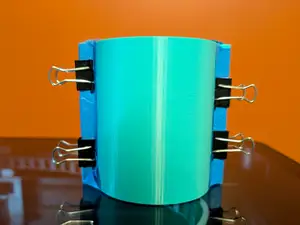
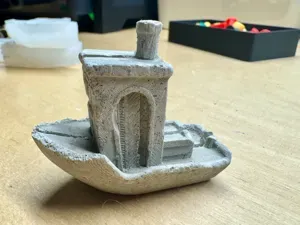


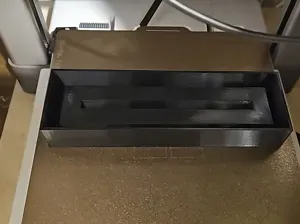
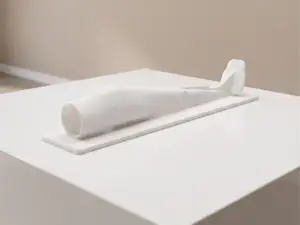
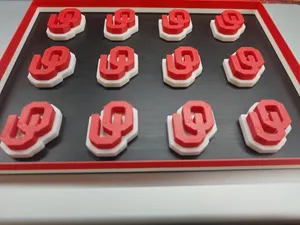
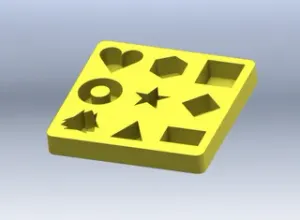

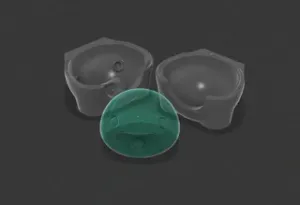

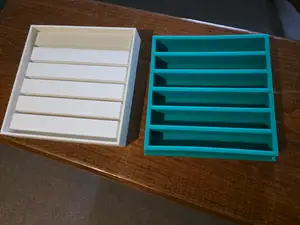




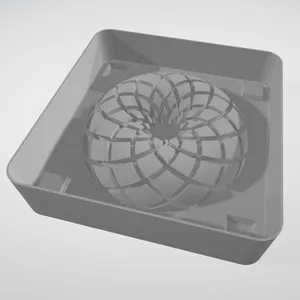
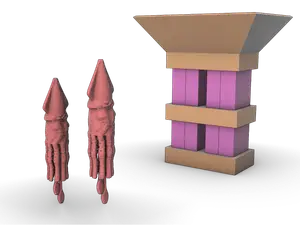


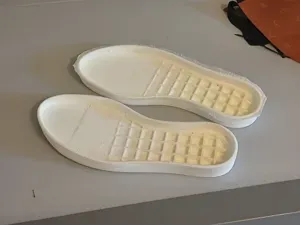

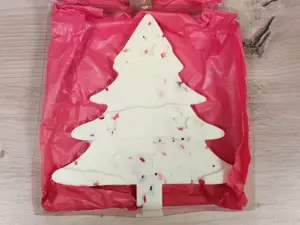

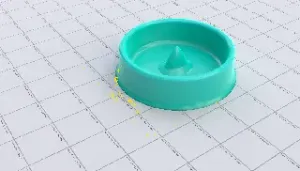


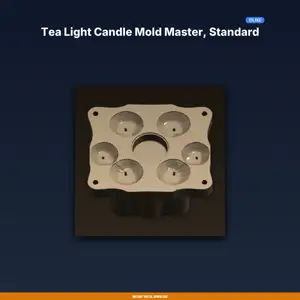


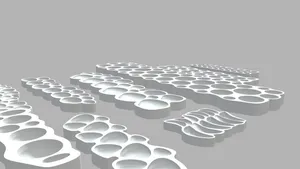
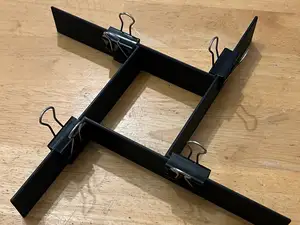

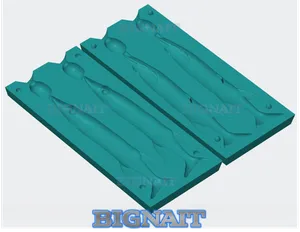
The range is wider than it first looks. Some files are open frames and round boxes that simply contain poured silicone around a master, while others are closed two-part molds with a parting plane, registration keys and a pouring channel. There are also jigs and holders built for pressure or vacuum work, and masters intended for candles, concrete or small decorative shapes. Baits and lures form a group of their own, since their molds often need thin tails and flexible walls.
When you pick a file, read the author's notes before slicing. Look at the number of parts and how they align, whether the model is meant to be printed as one piece or assembled, and whether supports are needed on overhangs. Wall thickness, draft on the cavity walls and the size of the pouring opening decide how easily the mold fills and releases. The material and settings the author lists matter too, because a printed surface is copied into every cast, so layer orientation and post-processing show up in the final part. Photos of real prints and casts are the quickest way to judge a design.
If the results feel narrow, change your wording. Try mould or mold making alongside casting, and add terms for the object rather than the process: bait, lure, dice, gasket, mount, candle, soap, wax, concrete. Related ideas such as two-part mold, master, sprue, vent, registration key, jig and frame often surface files that a single phrase misses. Searching by the material you intend to pour, or by the printer type you use, also shifts the list noticeably.



O catálogo completo de temas — de casa e utilidades a CNC, com busca em todos os sites conectados.