
免费 
Moulage molds for silicone casting
Printables
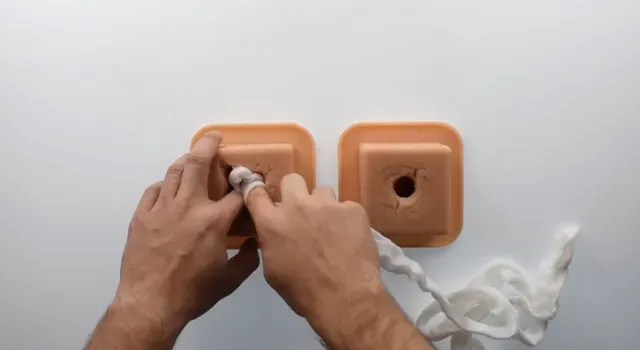
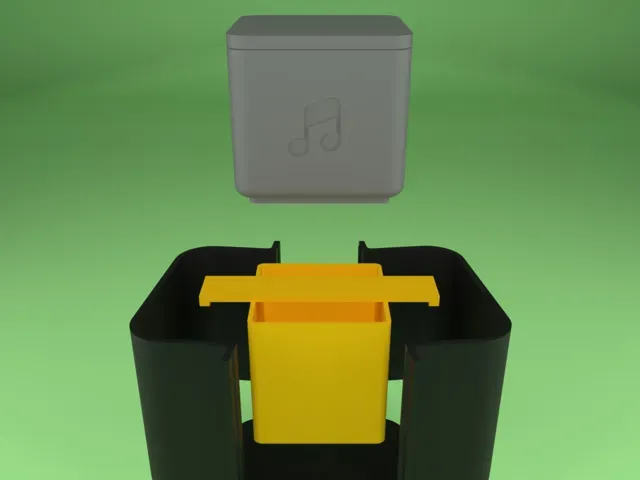
This collection gathers STL files for making silicone casting molds and the parts that go with them: frames, boxes, two-part shells, jigs and masters. It is useful when you want to cast silicone, resin or another pourable material in a shape you control from your own 3D printer. Most entries are working tools rather than display pieces, so the printed result is judged by how the cast part comes out. Polyzon does not confirm whether models are free, their price, license, official status, affiliation, safety or fitness. Check the current terms at the source.
本合集的文字为英文,搜索本身支持任何语言。
 Polyzon合集 · 48个模型 来自7个平台
此合集由Polyzon根据已接入平台的搜索结果整理而成:去除重复项和没有预览图的模型,匹配度低的排在最后,其余按搜索结果顺序排列。模型归作者所有——请在各模型页面查看使用条款。
筛选规则:Polyzon编辑部 · 文字更新于2026年10月14日
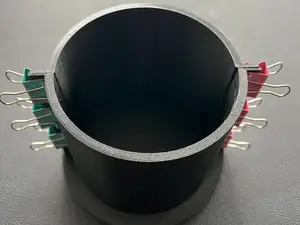

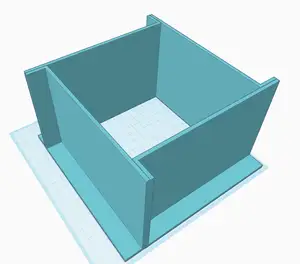
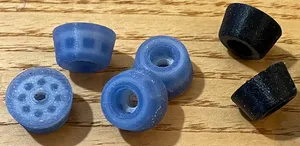


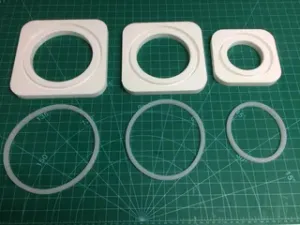
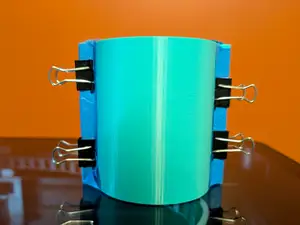
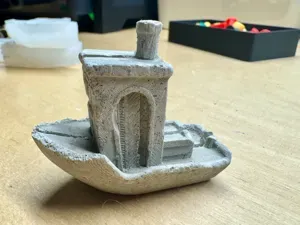


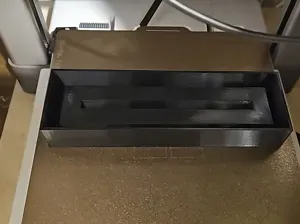

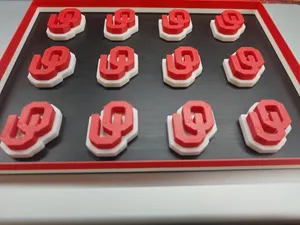
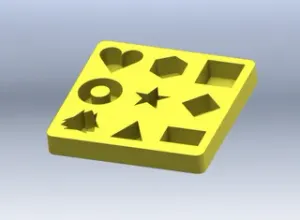

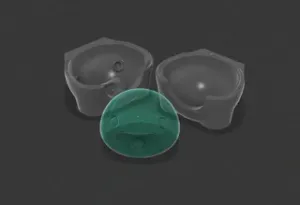

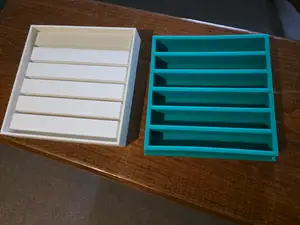




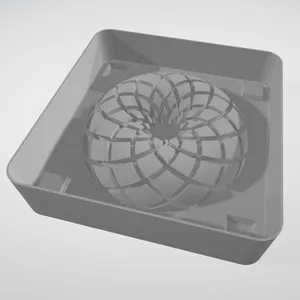
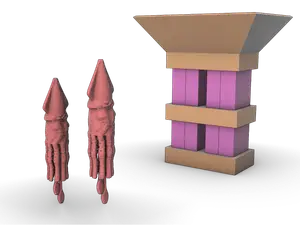


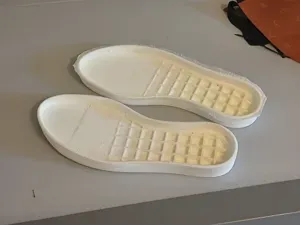

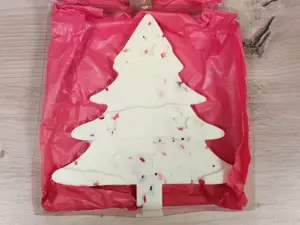

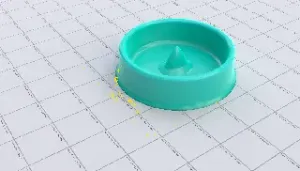


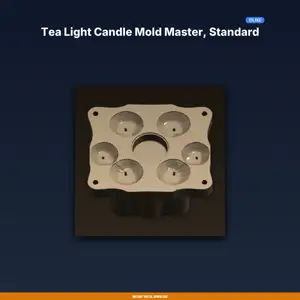


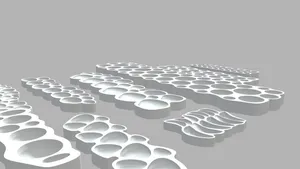
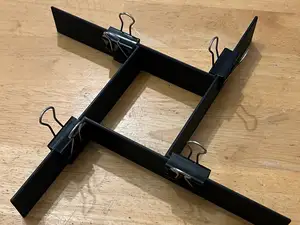

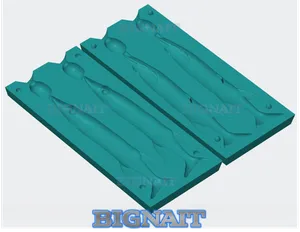
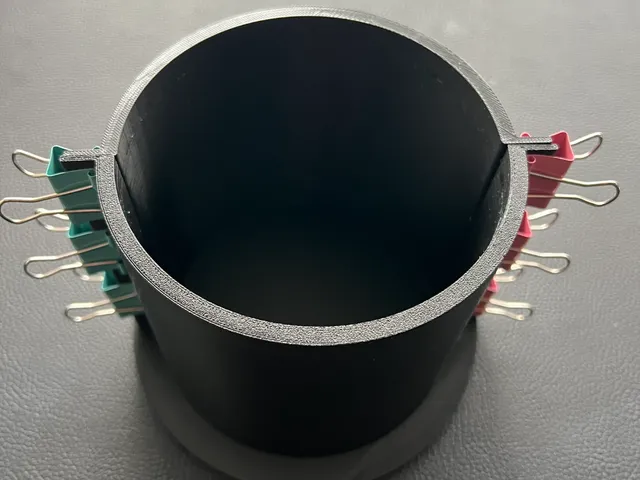
The range is wider than it first looks. Some files are open frames and round boxes that simply contain poured silicone around a master, while others are closed two-part molds with a parting plane, registration keys and a pouring channel. There are also jigs and holders built for pressure or vacuum work, and masters intended for candles, concrete or small decorative shapes. Baits and lures form a group of their own, since their molds often need thin tails and flexible walls.
When you pick a file, read the author's notes before slicing. Look at the number of parts and how they align, whether the model is meant to be printed as one piece or assembled, and whether supports are needed on overhangs. Wall thickness, draft on the cavity walls and the size of the pouring opening decide how easily the mold fills and releases. The material and settings the author lists matter too, because a printed surface is copied into every cast, so layer orientation and post-processing show up in the final part. Photos of real prints and casts are the quickest way to judge a design.
If the results feel narrow, change your wording. Try mould or mold making alongside casting, and add terms for the object rather than the process: bait, lure, dice, gasket, mount, candle, soap, wax, concrete. Related ideas such as two-part mold, master, sprue, vent, registration key, jig and frame often surface files that a single phrase misses. Searching by the material you intend to pour, or by the printer type you use, also shifts the list noticeably.
完整的主题目录:从家居日用到CNC,均可在已接入的来源平台中搜索。